Wall Street's Worst Session in Weeks
The numbers came in hard on Wednesday. The Dow Jones Industrial Average shed 1,153 points, or 2.2%. The S&P 500 fell 1.5%. The Nasdaq composite slumped 1.7%, putting it 9.8% below the record it set last month. Across every major index, sellers had the floor.
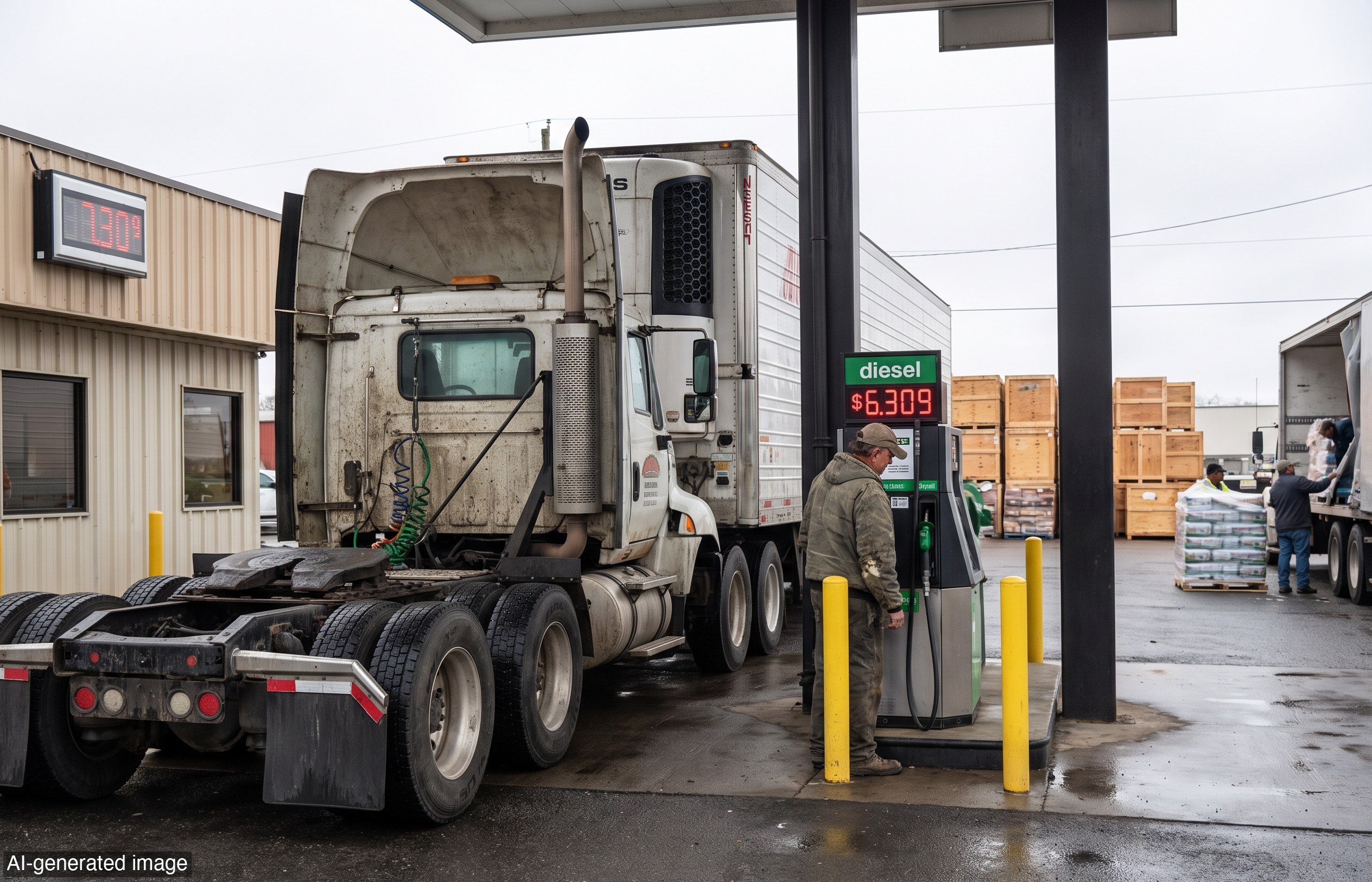
The proximate trigger was oil. Brent crude leaped 7.3% to settle at $88.09 per barrel after fighting resumed in the war with Iran, reigniting fears about the global flow of crude from the Middle East. The commodity has been on a wild ride: it traded as low as $72 early this month and touched $102 last week as the market priced and repriced the odds of a U.S.-Iran deal on tanker passage.
The Fed Holds — and Says Almost Nothing
Federal Reserve policymakers voted to keep the federal funds rate steady, though three committee members dissented in favor of a hike. Traders had entered the session pricing roughly a 34% probability of a rate increase, according to CME Group data.
Chairman Kevin Warsh declined to provide forward guidance, arguing instead that the bond market may already be doing some of the inflation-restraining work. He pointed to the climb in yields since the central bank's last meeting six weeks ago and reiterated his commitment to returning inflation to 2%.
'Did the Fed take an explicit change in its policy rate today?' Warsh asked rhetorically at his press conference. 'No, but I think that's the beginning of the story.'
The bond market answered in two directions at once. The two-year Treasury yield, which tracks near-term Fed expectations, edged down to 4.24% from 4.26%. The 10-year yield — the one that prices mortgages, corporate debt and long-duration equity valuations — jumped to 4.68% from 4.61%, up from 3.97% before the Iran conflict escalated. Long-term U.S. mortgage rates have already reached their highest level in nearly a year.
Tech Bears the Brunt
Higher long-term rates hit expensive growth stocks hardest. Nvidia fell 3.6% and was the single heaviest drag on the S&P 500. KLA Corp. dropped 10.8% despite reporting stronger-than-forecast profit and revenue; the stock had surged nearly 150% in the first half of the year, leaving little room for anything short of perfection.
The damage extended to Seoul. South Korea's Kospi tumbled 6% Wednesday, a day after it plunged 10.8%, trimming its year-to-date gain to 34.4%. SK Hynix fell 9.6% even after reporting record revenue and profit on 257% revenue growth — a figure that still missed analyst expectations.
Hims & Hers Health dropped 14.7% after news involving the Federal Trade Commission.
The Bottom Line
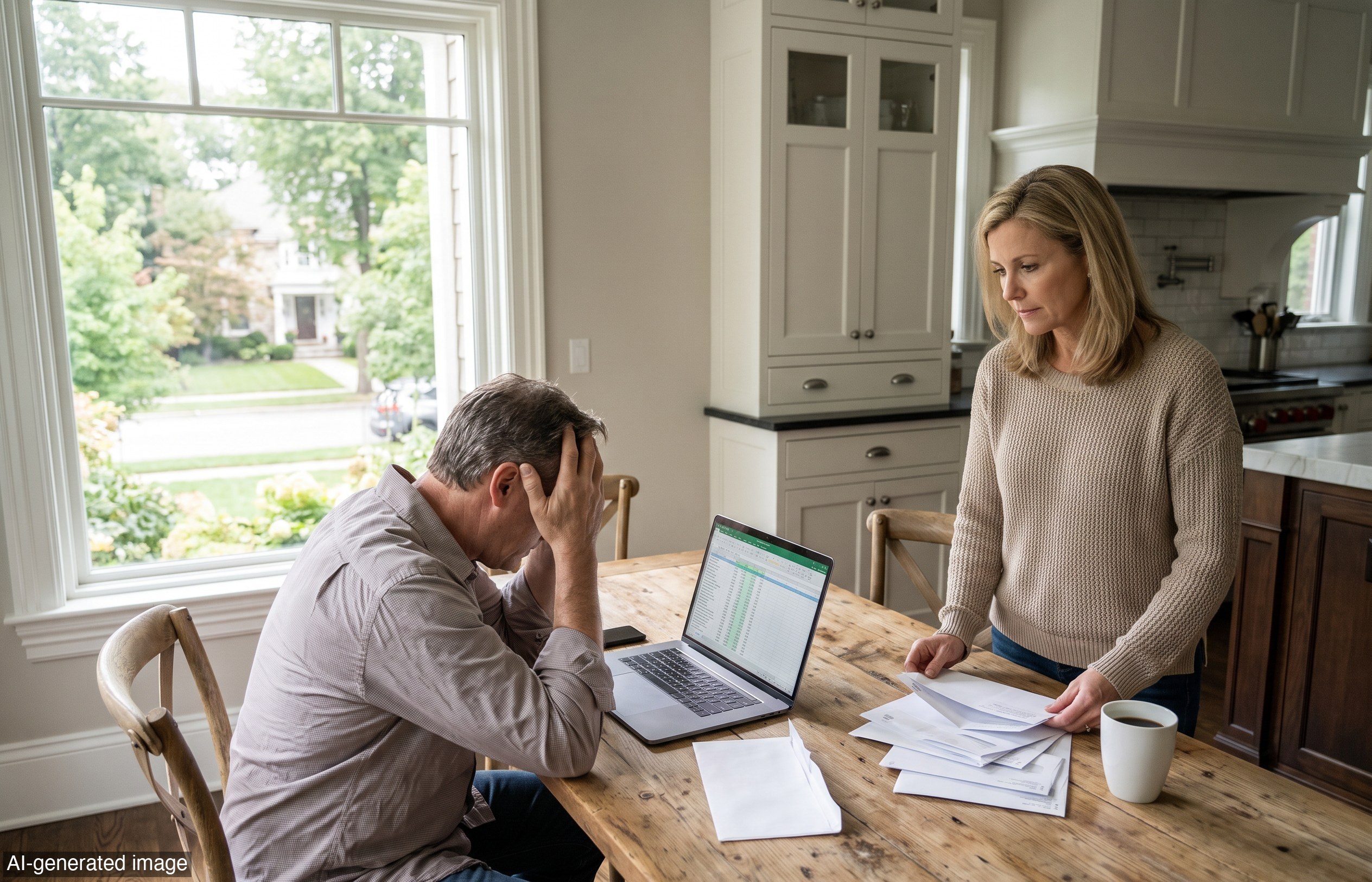
When oil prices and Treasury yields rise together while the Fed deliberately withholds guidance, markets get exactly what they got Wednesday: a volatility tax on every portfolio in America. The 10-year yield at 4.68% is not a number that lives in the abstract — it is the rate at which businesses borrow, homebuyers finance, and capital allocators discount future earnings.
Chairman Warsh's strategy of letting the bond market do the heavy lifting is intellectually defensible, but it transfers uncertainty from the Fed's meeting room directly onto the trading floor. Free markets can price risk; what they cannot price efficiently is deliberate ambiguity from the institution that sets the baseline cost of money. Until oil stabilizes and the Fed's next move becomes legible, capital will demand a higher premium to stay in equities — and Wednesday's session was the market voting on exactly that.