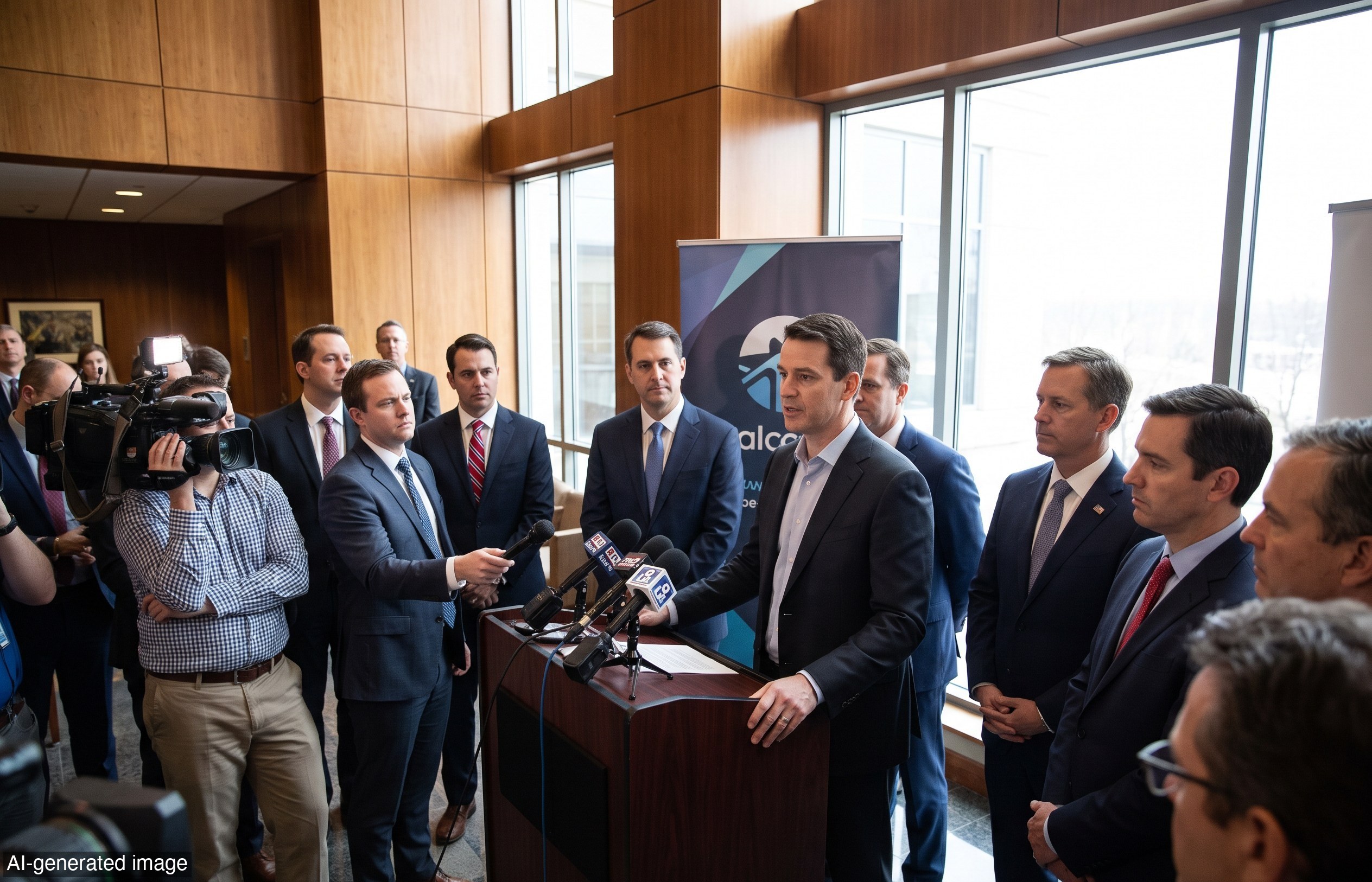
The numbers come first: 10 minutes. That is the gap at the center of a workplace dispute that split experts and went viral after a Gen Z employee posted about being called out by their company's CEO for leaving the office early.
The Reddit post — now partially deleted — described more than a minor scheduling conflict. The employee claimed managers routinely disappeared for hour-long breaks while colleagues took 30-minute absences without comment. The worker also described covering company expenses out of pocket and waiting 17 days for reimbursement, and alleged a supervisor had pressured them to recruit an unpaid social-media intern or face producing all the company's video and social content alone.
The exchange was anonymous and unverifiable, but it drew enough attention that other outlets preserved screenshots before the post came down.
The case against the CEO
Jason Walker, an associate professor of industrial-organizational and applied psychology at Adler University, placed the fault upstream. 'If a CEO is watching the clock instead of the horizon, that is the story,' Walker told Fortune. 'Ten minutes is not a performance problem, it is a symptom of something further upstream.'
Walker argued that leaders who skip the question of why an employee left early 'have already decided the answer, and their people know it.' Habitual clock-policing, he added, usually signals an organization has no real way to measure contribution — 'so it counts the one thing it can see.'
Etiquette expert Nick Leighton, cohost of the podcast Were You Raised by Wolves?, framed it as a question of what a workplace actually rewards. 'If an employee is meeting expectations and delivering their work, a CEO chastising them over 10 minutes isn't necessarily enforcing standards,' Leighton said. 'It's just saying that the theater of it all matters more than results.'
The case against the employee
Not every expert sided with the worker. Kim Bode, founder and CEO of communications agency 8THIRTYFOUR, called the episode a symptom of a broader problem. 'This isn't about someone leaving 10 minutes early or watching the clock,' Bode said. 'It's about a much bigger issue with early-career professionals: entitlement. They didn't ask if it was okay, they just did it.'
Bode argued the minutes compound. 'Before you know it, it's a full day of not showing up, not being available, not delivering.'
Loren Margolis, founder of leadership-development firm Training & Leadership Success and a career strategy instructor in the State University of New York's Women in STEM program, was more measured but still critical. She called it a failure of 'impression management.' A simple heads-up — flagging the early departure in advance and offering to compensate the time — would have signaled emotional intelligence instead of poor judgment, she told Fortune.
The generational gap underneath
A 2024 survey of more than 1,000 adults by the meeting platform Meeting Canary found that nearly half of respondents aged 16 to 26 considered arriving five to ten minutes late as essentially on time. Tolerance for that dropped to 20% among baby boomers.
The experts Fortune spoke with were cautious about leaning too hard on age as the explanation.
CEO Times take: Free enterprise runs on output, not optics. The stronger management case is Walker's: measure what people produce, not when they walk out the door. But Bode's point deserves equal weight — accountability is not generational, it is professional. A workplace culture where managers vanish for an hour while a new hire gets reprimanded for 10 minutes is not enforcing standards; it is enforcing hierarchy. The market has already voted on results-driven cultures — they attract and retain the talent that actually moves the needle. Clock-watching, in either direction, is a distraction from the only scoreboard that matters.