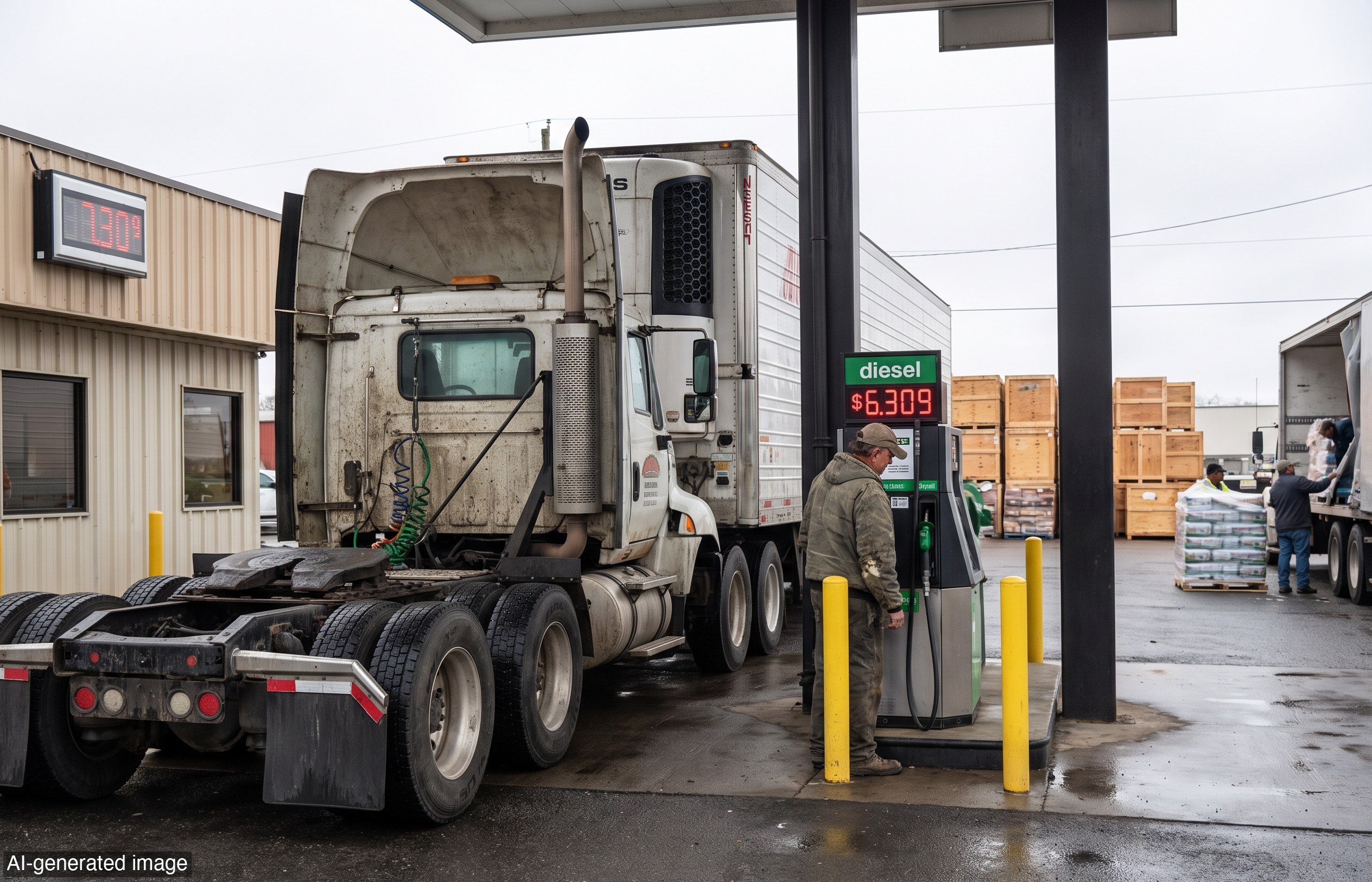
Oil at $89.81: What the Move Means for Every American's Wallet
As of 5:20 a.m. Eastern Time on August 4, 2026, Brent crude was trading at $89.81 per barrel — $2.43 above the prior morning's level and roughly $20.50 higher than where it stood one year ago, according to Fortune.
The numbers come first, and those numbers are not trivial. A $20-plus annual climb in the world's primary energy benchmark is a cost that flows downstream into nearly every corner of the economy: gas at the pump, freight, manufacturing inputs, and the grocery shelf.
Why crude dominates your pump price
Crude oil typically accounts for more than half the cost of a gallon of gasoline, with refinery margins, wholesale markups, taxes, and retail spreads making up the rest. The asymmetry is well-documented: when crude rises, retail fuel prices follow quickly — the so-called 'rockets and feathers' pattern — but when crude falls, pump prices drift down far more slowly. Consumers absorb the spike faster than they recover the relief.
Supply, demand, and the policy variable
The Brent price updates continuously as futures contracts trade. Geopolitics, OPEC+ production decisions, recession risk, and domestic drilling policy all feed the signal. On the domestic side, the Trump administration moved in 2025 to reopen more than 1.5 million acres in the Coastal Plain of the Arctic National Wildlife Refuge for oil and gas leasing, reversing the prior administration's restrictions on Arctic drilling — a policy shift designed to expand future U.S. supply and, by extension, put downward pressure on prices over time.
The U.S. also maintains the Strategic Petroleum Reserve as an emergency buffer, available to cushion supply shocks during crises such as sanctions, severe storm damage, or conflict. The SPR is not a structural solution to elevated prices, but it provides short-term relief for consumers and keeps critical industries and emergency services operational during acute disruptions.
Natural gas follows the signal
Oil and natural gas are linked. When oil prices rise, some industrial operators substitute natural gas where their processes allow it, lifting natural gas demand and, consequently, its price. A sustained Brent rally at these levels therefore carries implications beyond the fuel pump — it reaches heating bills, power generation costs, and chemical feedstocks.
The shale variable
U.S. shale remains the most responsive domestic lever. Greater shale access expands supply, which limits the severity of price spikes. Policies that restrict drilling — whether in the Arctic, on federal lands, or offshore — effectively tighten the supply ceiling and give global price-setters more room to push Brent higher.
---
CEO Times take: At $89.81, Brent is sending a clear message that energy security and domestic production policy are not abstract debates — they are line items in every American household budget. The case for expanding U.S. drilling, streamlining permitting, and keeping the regulatory burden off domestic producers has never been easier to price. Free enterprise built the shale revolution; the administrative state's instinct to restrict it is what keeps the cost-of-living pressure alive. Capital rewards clear rules, and right now the market is pricing in the consequence of years of inconsistent ones.