Brent Crude Hits $89.53, Up $16.84 From a Year Ago
At 5:05 a.m. Eastern Time on July 29, 2026, Brent crude was trading at $89.53 per barrel — a 45-cent increase from the prior morning and roughly $16.84 higher than the same time last year, according to Fortune.
The Brent benchmark is the global standard for pricing much of the world's traded crude and serves as the primary reference in the U.S. Energy Information Administration's Annual Energy Outlook. That $16.84 year-over-year jump is not an abstraction. It flows directly into refining costs, wholesale distribution, and ultimately the price American drivers see at the pump.
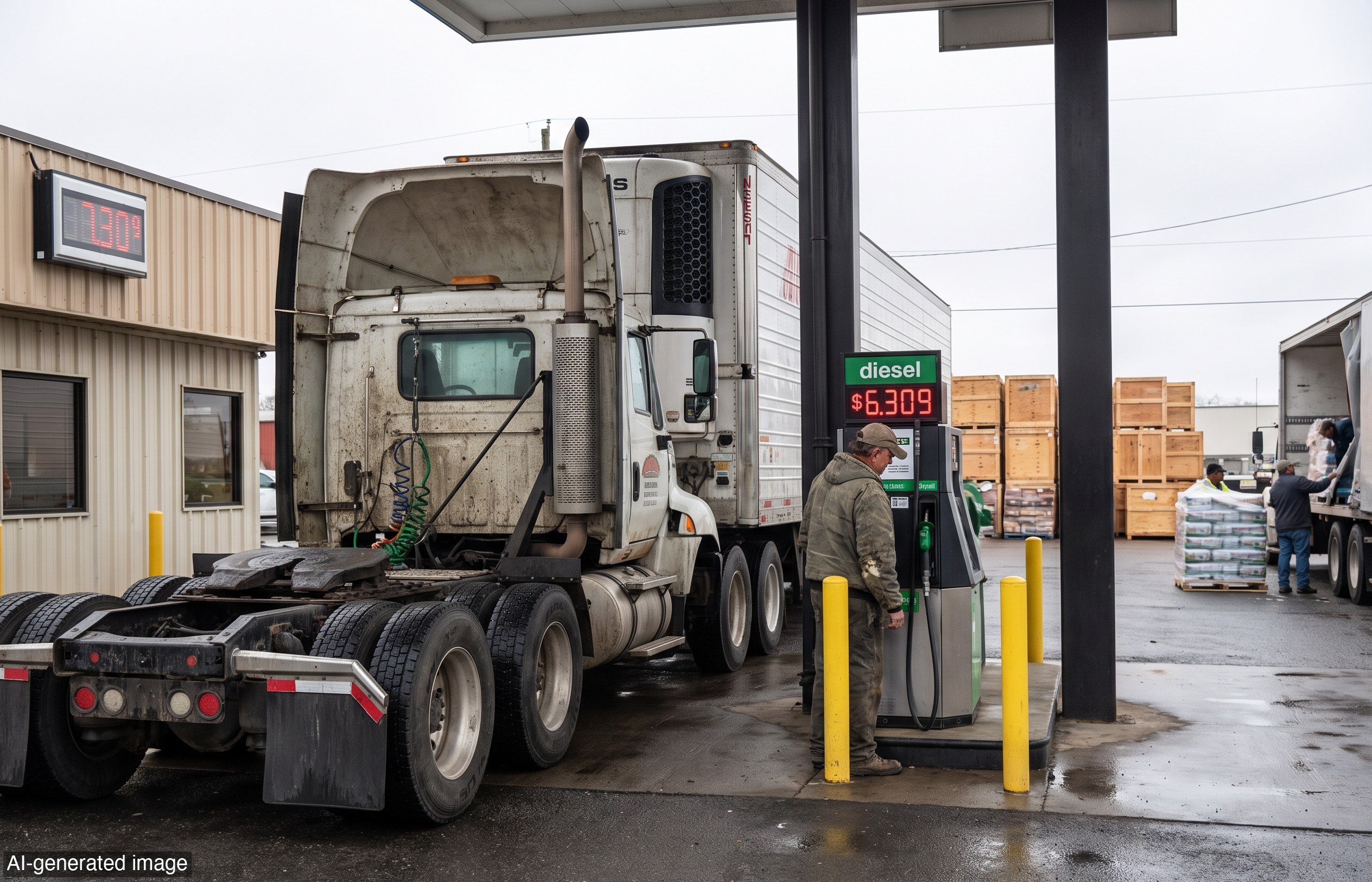
The pump price is a layered bill. Crude oil typically represents more than half of every gallon's final cost. Refining margins, distribution, federal and state taxes, and the local station's markup account for the rest. When crude rises sharply, pump prices respond quickly — the so-called 'rockets and feathers' dynamic means prices spike fast on the way up and drift down slowly on the way back.
Supply policy is a direct lever. The Trump administration moved in 2025 to reopen more than 1.5 million acres in the Coastal Plain of the Arctic National Wildlife Refuge for oil and gas leasing, reversing the Biden administration's policy of limiting Arctic drilling. Greater domestic access to shale and other reserves expands supply, which provides a natural ceiling on price spikes. The futures markets price that policy signal in real time.
The Strategic Petroleum Reserve remains a backstop, designed to cushion sudden supply disruptions from sanctions, severe weather, or conflict. It is a short-term stabilizer, not a substitute for sustained domestic production.
Beyond the pump, elevated crude prices ripple through the broader economy. Shipping costs rise, and those costs travel through supply chains to grocery shelves, utilities, and industrial inputs. When oil is expensive, the inflation tax on ordinary Americans is broad and largely invisible.
---
CEO Times take: The $16.84 year-over-year increase in Brent crude is a reminder that energy policy is economic policy — full stop. Administrations that restrict drilling export that cost directly onto working Americans in the form of higher gas prices, higher grocery bills, and compressed household budgets. The market has already voted: supply discipline and permitting reform matter more than any release from the Strategic Petroleum Reserve. Free enterprise and domestic energy development are not talking points; at $89.53 a barrel, they are the most direct inflation-fighting tools available to Washington.