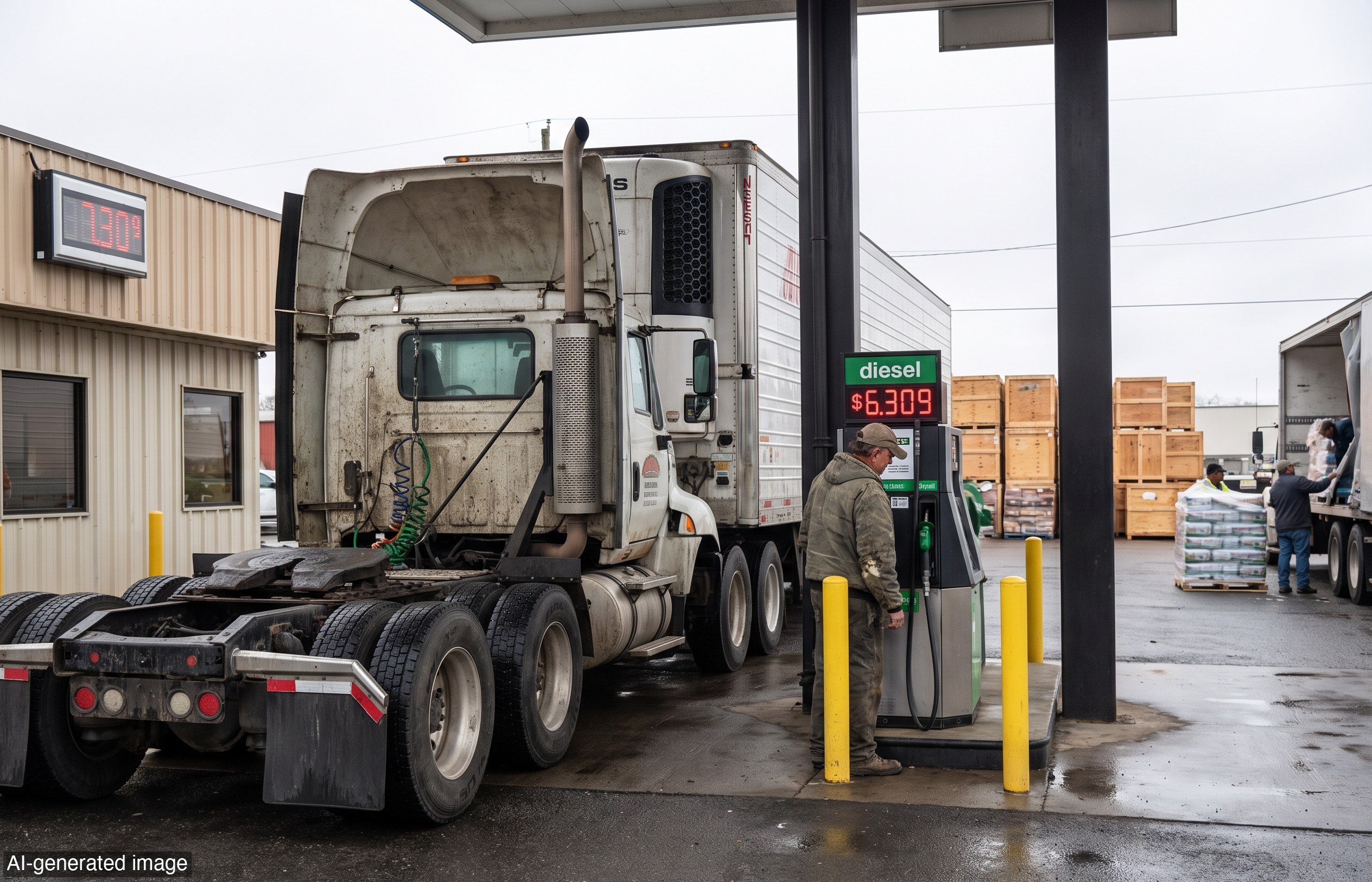
Oil Climbs Again as Markets Digest a Year of Steady Gains
As of 6:50 a.m. Eastern Time on August 3, 2026, Brent crude traded at $87.38 per barrel — 71 cents above the prior morning's level and roughly $17.50 higher than a year ago, according to Fortune.
The numbers come first: that is a sustained, year-long move, not a single-session spike. For American households, the arithmetic is straightforward — crude oil typically accounts for more than half the price per gallon at the pump, and when it rises, consumers feel it before lunch.
Supply, demand, and the policy backdrop
Oil prices are set at the margin by futures markets — continuous auctions where traders price expected supply and demand. Several variables are in play simultaneously: OPEC+ production decisions, geopolitical risk, global recession fears, and domestic drilling policy.
On that last point, the Trump administration moved in 2025 to reopen more than 1.5 million acres in the Coastal Plain of the Arctic National Wildlife Refuge for oil and gas leasing, reversing Biden-era restrictions on Arctic drilling. Expanded shale and domestic access, the theory goes, adds supply that can keep price spikes from compounding.
The Strategic Petroleum Reserve remains a backstop — a store of crude available for emergency release to soften supply shocks. But as Fortune notes, it is 'more of an immediate relief' than a structural solution.
The pump-price lag
A well-documented asymmetry haunts American drivers: when crude rises, retail gas prices follow quickly; when crude falls, pump prices drift down slowly. Economists call it 'rockets and feathers.' Refiners, wholesalers, taxes, and local station markups all sit between the barrel and the nozzle, each adding friction on the way down.
The Brent benchmark — now the primary reference used by the U.S. Energy Information Administration in its Annual Energy Outlook — reflects global traded crude and gives the clearest read on where energy costs are heading.
Ripple effects beyond the gas station
Higher oil doesn't stay in the energy lane. Shipping costs rise, and those costs move through the supply chain to grocery shelves and manufactured goods. Industries that can substitute natural gas for oil in some operations tend to do so when crude climbs, tightening natural gas markets by extension.
Historically, Brent has swung violently — wars, OPEC supply cuts, global recessions, and gluts have all left their mark across decades of price data. The current $87.38 print sits well above recent lows but below the crisis peaks the market has seen in prior cycles.
---
CEO Times take: A drilling-friendly executive branch and expanded domestic access are the right structural answer to energy inflation — more supply is the only durable ceiling on price. The $17.50 per-barrel rise over twelve months is a real cost to every American who drives, heats a home, or buys groceries. The market has already voted: energy security and free enterprise in the resource sector are not abstractions. They are line items in every household budget.