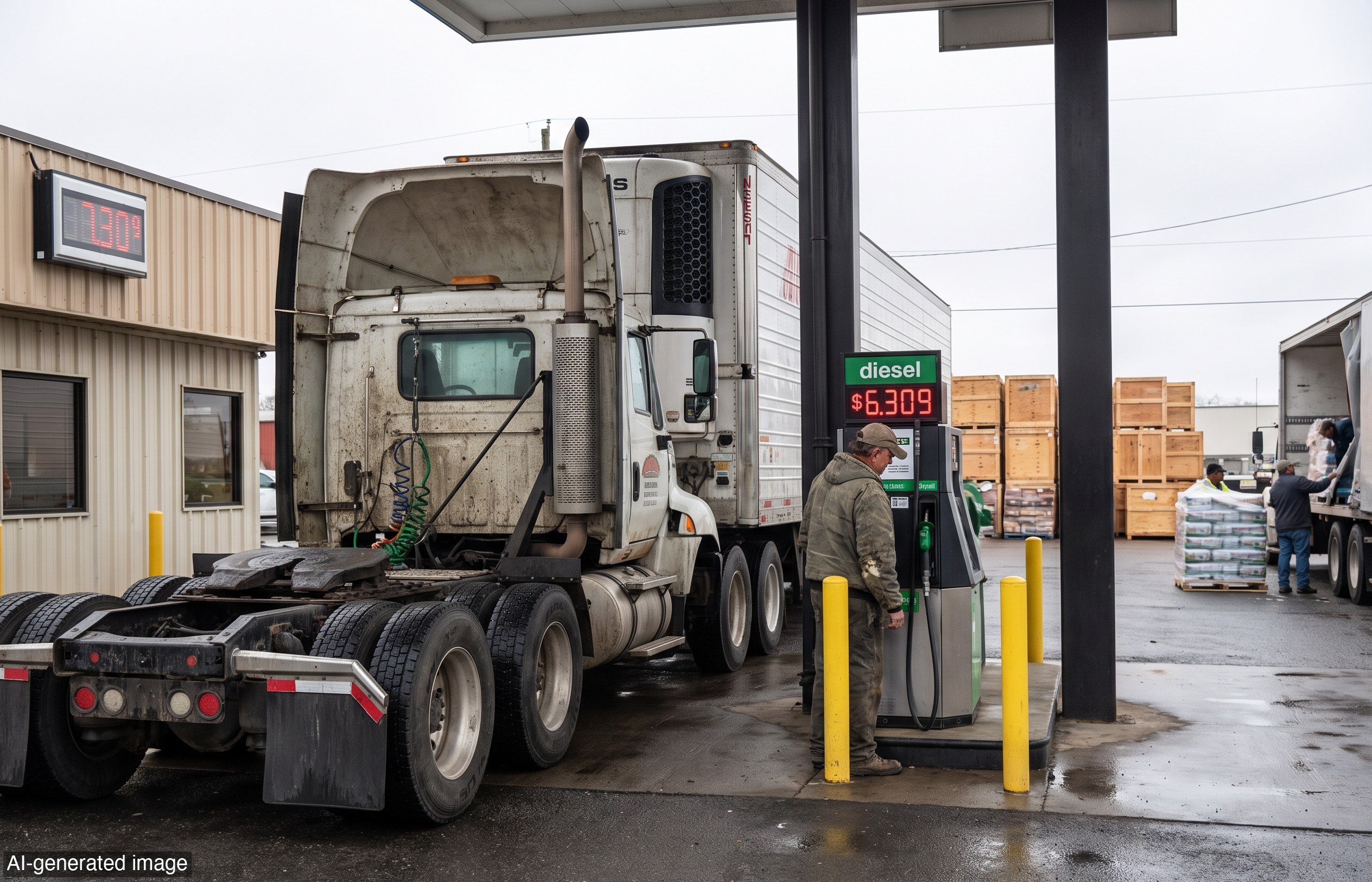
Brent Crude Hits $83.64 on August 6 — Up $16 From a Year Ago
By 7 a.m. Eastern Time on August 6, 2026, Brent crude had reached $83.64 per barrel — eight cents below the prior morning's level and roughly $16.10 above where it traded a year earlier, according to Fortune.
The year-over-year jump is the number that matters for American households. Crude oil typically accounts for more than half the price per gallon at the pump, and sharp increases in oil almost always show up quickly at the gas station. Declines, by contrast, tend to filter through more slowly — the so-called 'rockets and feathers' effect.
Supply policy is the long lever.
The current price environment did not materialize in a vacuum. In 2025, the Trump administration moved to reopen more than 1.5 million acres in the Coastal Plain of the Arctic National Wildlife Refuge for oil and gas leasing, reversing the Biden administration's policy of limiting Arctic drilling, according to Fortune. More domestic supply puts downward pressure on prices over time; restricting it does the opposite.
Beyond the pump, elevated oil prices ripple through the broader economy. Shipping costs rise, and those increases flow into grocery shelves, manufacturing inputs, and virtually every logistics chain that keeps American commerce moving. When energy is expensive, inflation does not stay contained to the energy sector.
The Strategic Petroleum Reserve is a short-term tool, not a strategy.
The U.S. Strategic Petroleum Reserve exists to cushion acute shocks — sanctions, severe storm damage, war — not to substitute for a durable production policy. Tapping it buys time; it does not build supply. The distinction matters for any administration serious about price stability.
Oil and natural gas are also linked on the demand side. When oil prices climb, industries that can substitute natural gas in their operations tend to do so, pushing natural gas demand — and often prices — higher as well. The energy complex moves together.
The market has already voted.
A $16-per-barrel gain over twelve months is not noise; it is a signal. The Brent benchmark, now the primary reference used by the U.S. Energy Information Administration in its Annual Energy Outlook, reflects global supply and demand in real time. Futures markets price those expectations continuously whenever contracts are trading.
For American consumers and businesses, the arithmetic is straightforward: every dollar added to a barrel of crude eventually finds its way into a cost somewhere in the supply chain. Free-enterprise energy policy — more drilling, more shale development, fewer regulatory barriers — is the only durable answer to keeping that arithmetic favorable. Bureaucratic restrictions on domestic production are, in effect, a tax the government does not have to vote on.