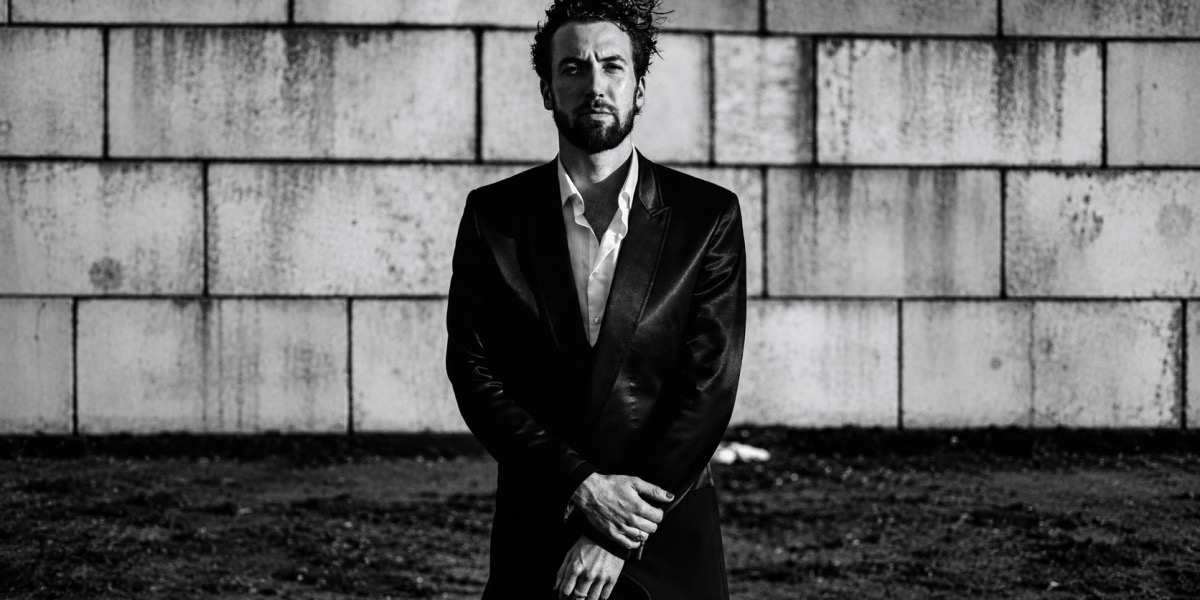
Maurits Chabot, a Dutch author and journalist whose latest book, The Divide, follows seven true stories of compassion and connection, spent a month traveling across the United States speaking with Republicans and Democrats. He wrote about the experience for Fortune, and the pattern he describes deserves attention from anyone who follows American politics closely.
Chabot said he worked for years as an opinion editor at a national newspaper in the Netherlands, where he often published writers on opposite sides of the same debate. He described watching the distance between them grow, and social media followers attack one another with increasing fury. By his own account, he was part of the machinery of division. That admission is what drove him to write a book about people who grew closer despite everything that should have pulled them apart.
In Kentucky, Chabot visited a group of Republicans at the London Dragway. They welcomed him, offered him a T-shirt, and told him Democrats were handing the country over to immigrants. In the same conversation, they lamented what political division was doing to the country. 'People just talk and talk and talk,' they said, 'but we also have to be willing to listen to one another.'
In Louisiana, a mixed group of farmers took Chabot alligator hunting along the Mississippi. One Republican, Margaret, said she had come to hate Trump and was delighted Democrats had won the midterms. Her companions were astonished, because they had assumed she was a staunch Trump supporter. They had simply stopped talking politics with her. Chabot's point was blunt: people often know remarkably little about their political opponents, even after years at the same table.
Two concerns recurred across party lines. The first was that people with opposing views no longer meet often enough. One person told Chabot that if people with opposing views engaged in one-on-one conversations, 'the world would change.' The second was distrust of the mainstream media. Matt, a Republican, told Chabot beside the Kentucky racetrack that the media 'thrive on conflict.'
Some voters from both parties also proposed a structural fix: more political parties. Chabot pointed to the Netherlands, where seventeen parties are currently represented in parliament. No single party can reach an outright majority, so parties must negotiate and compromise, and voters, he argued, are pushed to do the same. Politics there is still fiercely contested, but it does not harden into a two-sided split.
In Hopkinsville, Kentucky, Chabot visited Jimmy Hunter, who voted for Trump in 2016 and 2024 and worries about immigration and the erosion of America's Christian roots. Hunter has housed Ricky, a Democratic veteran with PTSD, for the past seven years. Ricky told Chabot he was essentially the only Democrat in town. Hunter's answer was plain: 'I don't let politics guide my friendships.'
The market for political attention rewards the opposite behavior. Outrage travels faster than conversation, and the cost of refusing to speak to a neighbor is paid privately, while the payoff from scoring points is public. Chabot's reporting suggests that the voters most divided on the ballot are often the least divided at the dinner table.
That is worth remembering this Thanksgiving. A free society depends on citizens who can disagree without severing ties, and on a political system that does not reward every dispute with a winner-take-all contest. More parties, as the Dutch example shows, could widen the range of voices a government must answer to. But the first and cheapest reform is the one each family controls: keep the conversation going.