Delray Beach, Florida, had set aside about $77,000 for its St. Patrick's Day parade, according to local reports. On Nov. 10, the city announced it would cancel the 2027 parade along with its Pride event. Now a local nonprofit says it will take $130,000 to run the event without the city, and its GoFundMe had raised $2,885 as of Monday afternoon.
The city's reasoning is blunt. A City of Delray Beach spokesperson told Fortune that the city 'has determined that it is legally prohibited from organizing, funding, sponsoring, promoting, or marketing these two events in 2027,' adding that 'this decision is not budgetary in nature.' The spokesperson also said 'St. Patrick's Day is not a federal holiday and, in this context, does not qualify for an applicable exemption.'
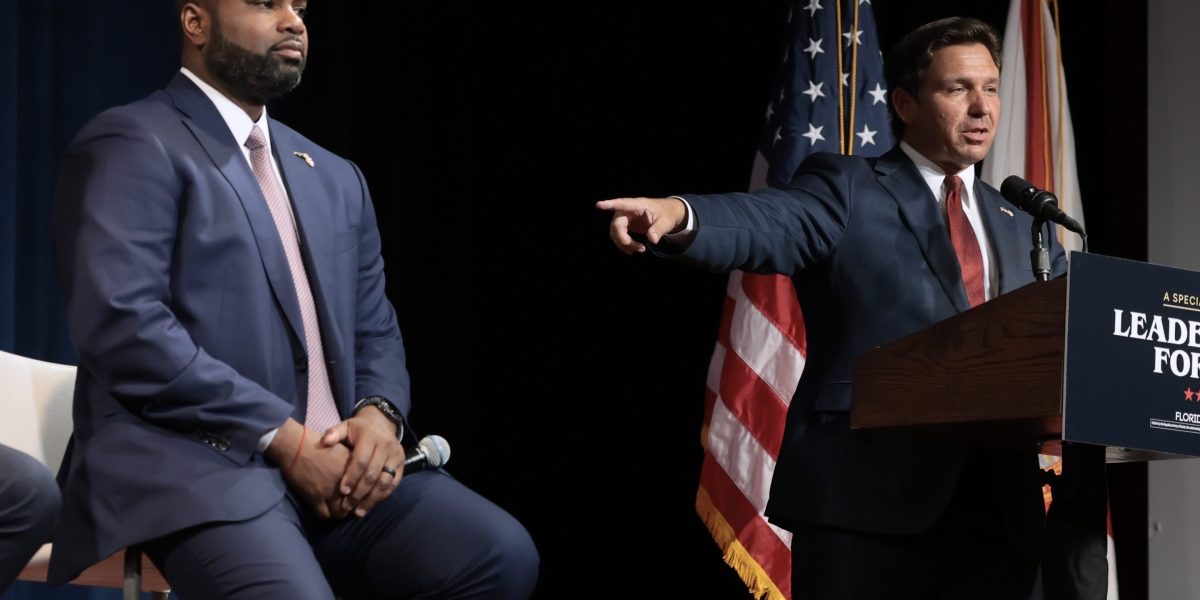
The statute at the center of the dispute was signed by DeSantis in April. It prohibits local governments from organizing or promoting 'training, programming, or activities designed or implemented with reference to race, color, sex, ethnicity, gender identity, or sexual orientation,' and takes effect Jan. 1, 2027. The governor has publicly rejected the city's reading. 'Delray Beach is engaging in malicious compliance,' DeSantis posted on X. 'What they are doing is not mandated by Florida law. It's just an attempt to make a political point.'
The bill's sponsor, State Sen. Clay Yarborough, offered the same view. 'When the bill was on the Senate floor, the specific question was asked related to whether St. Patricks [sic] Day observances would be prohibited,' he wrote on X. 'The answer was and still is no.'
The local response is more practical. Republican Mayor Tom Carney told NPR that the parade is 'engrained in the DNA of Delray' and that he would be open to private sponsors taking over. City Manager Terrence R. Moore is also open to that path. A Delray Beach-based events company, Festival Management Group, has applied to host, and Delray Beach Arts Inc. has applied to produce the 59th Annual St. Patrick's Day Parade on Saturday, March 13. Festival Management Group did not respond to Fortune's requests for comment.
The cost gap is the story taxpayers should watch. The nonprofit's projected production budget is approximately $130,000, covering public safety, traffic management, barricades, insurance, permits, entertainment, equipment, staffing and professional event management. That is nearly double the $77,000 the city had budgeted. The city's own statement confirms that private groups remain free to sponsor and organize the event: 'the legislation does not prohibit private organizations or individuals from independently sponsoring and organizing them.'
The parade draws an average of 42,000 spectators, according to the city's report for sponsors, and has run for more than 50 years. The dispute also arrives as Florida cities brace for a property tax cut that is already forcing some to drop events and services.
The law reaches beyond municipal events. Starting Jan. 1, any business seeking a contract or grant from a Florida city or county must certify that it does not use county or municipal funds to require employees, contractors, volunteers, vendors or agents to study or be instructed with diversity, equity and inclusion materials.
The editorial lesson is clear. A statute meant to stop government from spending public money on contested ideology has been stretched by a city's lawyers into a reason to abandon an Irish-American tradition that predates the DEI debate. When a state law can be read to cancel a parade, the public is left to pay for the cleanup of an ambiguity, either through a $130,000 private fundraising drive or through the next budget cycle. Free enterprise and private civic groups can often run community events more cheaply than a bureaucracy, but they should not have to rescue a festival because lawmakers and lawyers left the text open to interpretation. Clear statutory language, not malicious compliance, is what protects both taxpayers and local traditions.