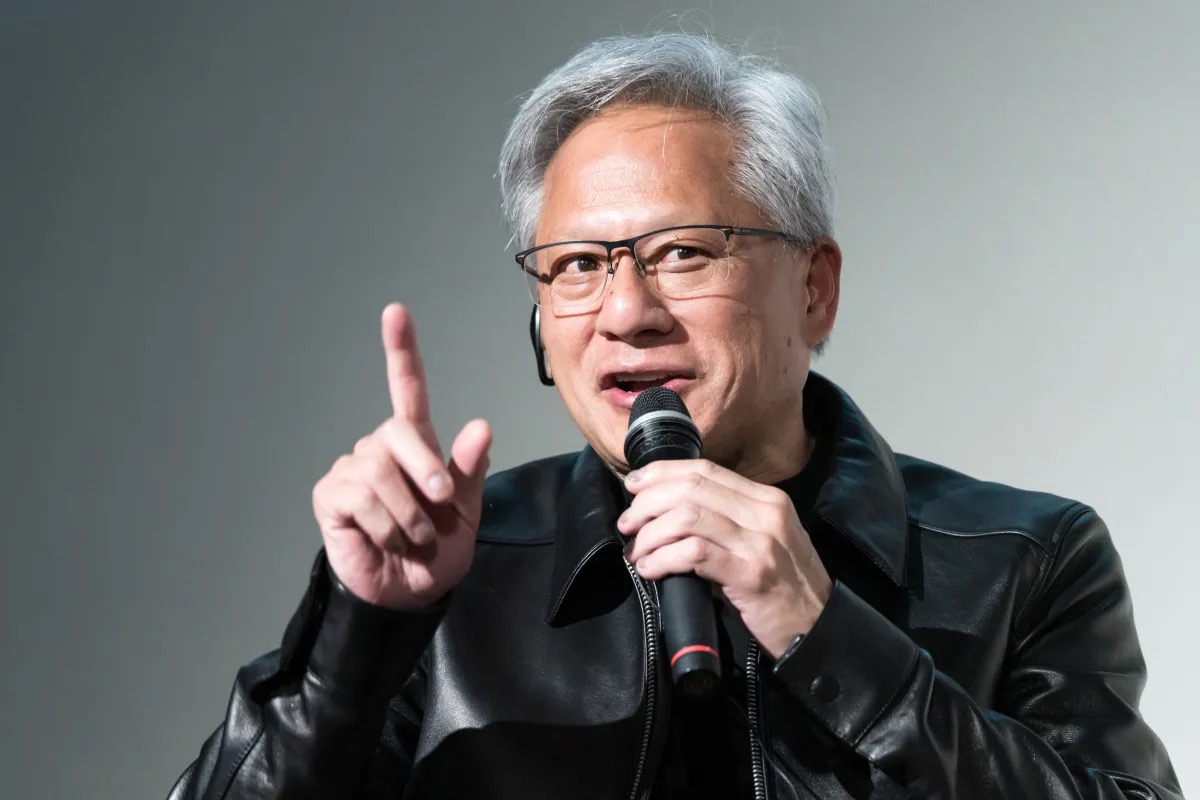
The market cheered on Monday. Nvidia shares climbed back sharply after the company announced that Jensen Huang would return as CEO, and the Nasdaq rose 7% on the news. Share prices of neocloud companies like CoreWeave and Nebius rallied as well. Huang had resigned on 12 November following reports of a series of extramarital affairs, including one with a woman alleged to have ties to Chinese intelligence.
The reinstatement did not come from the boardroom alone. President Donald Trump said he spoke to Nvidia's board and 'convinced' them to bring Huang back. According to Trump, he gave the board 'assurances' that the affair did not present a national security issue for the United States. He also said he had spoken with Huang on Sunday night, before the company's announcement. Asked whether lost Nvidia stock value had influenced his decision, Trump replied, 'Probably so, but the bigger impact was the long term.'
Nvidia's own statement was more careful. The board said it had 'voted unanimously to reinstate Mr. Huang' after meetings with him, and that it 'received input from senior levels of the United States government.' Based on that input, the board said it was 'confident that Mr. Huang's reinstatement poses no national security risk.' U.S. Attorney General Todd Blanche, according to Trump, confirmed that the government did not possess evidence that Huang committed any crimes.
The skeptics are not quiet. Republican Congressman Don Bacon of Nebraska said Nvidia 'should have moved on without Huang and ignored the Administration's inexplicable desire to save Huang.' Democratic Senator Elizabeth Warren, who is set to chair the Senate Banking Committee, called the reinstatement 'reckless' and said it increased the urgency of passing bipartisan export control bills. Democrats will control both chambers of Congress from January and have already signaled investigations into Nvidia and the administration's handling of the company.
The unresolved questions are concrete. TechCrunch reported that serious questions remain about how Nvidia chips were smuggled into China and how much the company knew. The New York Times reported sustained contact between Alice Huang and a member of China's Ministry of State Security during the period she was having an affair with Jensen Huang. Commerce Secretary Howard Lutnick, who oversees export controls, retains significant financial ties to the industry through his firm, Cantor Fitzgerald, and is likely to attract scrutiny. Trump's own disclosures show he bought $265,000 in Nvidia stock and sold as much as $15,000 worth in September, and Huang has donated $25 million to Trump's ballroom project.
The market has already voted, and it voted for certainty. But certainty is not the same as clean rules. Capital rewards clear rules, and when a president personally steps into a company's leadership decision, investors are left to price in political favor rather than governance. Nvidia's board wrote that it was satisfied with Huang's candor. Shareholders, lawmakers and the public will now judge that claim against the record.
For the American taxpayer, the stakes are not abstract. Export controls exist to protect national security, and any finding that restricted chips reached China through a company run by a reinstated CEO would be paid for in lost credibility, legal exposure and expensive investigations. Free enterprise depends on a regulator that applies the same rules to everyone, including the largest name in the AI supply chain. Whether that happened here is now a question for Congress, and the answer will matter far beyond one boardroom.