Florida voters approved Amendment 3 earlier this month, and the bill is now coming due for the cities and counties that depend on property tax revenue.
The amendment expands the so-called homestead exemption, shielding more of a home's assessed value from taxation. It rises from $51,400 currently to $150,000 in 2027, then to $250,000 in 2028. It also cuts the cap on annual assessments for rental and commercial properties from a 10% hike to 5%. The measure does not touch school-related property taxes, but it creates a path to abolishing non-school property taxes entirely.
State economists project that local governments will lose nearly $5 billion in the first year and nearly $12 billion a year once the exemption is fully phased in. Cities can lean on sales taxes, fees and tourist-oriented levies, but smaller communities have far less room to maneuver, and some stand to lose the bulk of their tax base.
The cuts are already visible. In Deltona, City Manager Doc Dougherty told residents that the Christmas parade had been canceled and blamed Amendment 3. He estimated the city must cut $12 million in the coming year and another $5 million the following year, with more than $23 million in reductions expected by 2030. In a letter to residents, Dougherty wrote that the city had been 'doing everything right by reducing our tax millage for the past four years, including roll back this year,' and that 'this is only the beginning of the vast reduction in City services our residents will face for years to come.' Nearly all city events are effectively canceled, apart from two self-supporting 5K runs, and the city is withdrawing vehicle orders, terminating construction contracts and canceling professional services.
The pattern is repeating across the state. Delray Beach stopped funding its St. Patrick's Day Parade, St. Petersburg is ending its beach trolley service, and Brevard County is weighing cuts to park maintenance, mosquito control, athletic fields, youth sports and playground repairs.
Manatee County Commissioner George Kruse offered a blunt assessment. In a Substack post on Nov. 13, he estimated $63 million less in tax revenue next year and $113 million less the year after. 'This isn't a cycle, this is a permanent, structural shift in how government functions. Forever,' he wrote. 'A facility that closes, will stay closed.' Kruse said the county would need to scrutinize publicly owned assets, department consolidations, privatization and even 'niceties' such as 'sponsorships, parades, movies in the park, holiday events.' He also noted that 65% of Manatee voters had said they would give up services for lower property taxes, and that the board must cover the gap on that basis.
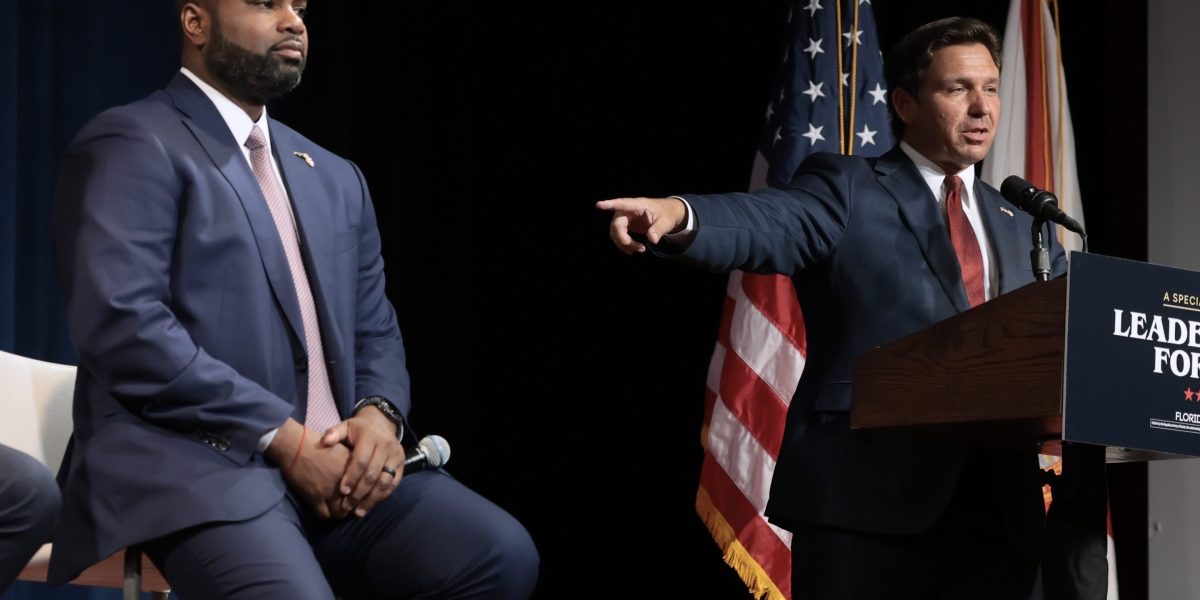
Outgoing Florida Gov. Ron DeSantis, who backed Amendment 3, has dismissed such warnings as 'fearmongering.'
The market reading here is straightforward. Florida's taxpayers have been handed a lower bill, and the savings are real for homeowners and for landlords and businesses facing a smaller assessment cap. The cost is also real, and it is being paid in local services, public events and contracts that were once considered routine. Free enterprise does best when government spending is disciplined and transparent, and this vote forces the question of which public goods were truly essential and which were simply funded because the money was there. Voters have made their choice. Now local officials must show which parts of the government budget they are willing to cut first, and whether the lower tax burden holds once the parades go quiet.