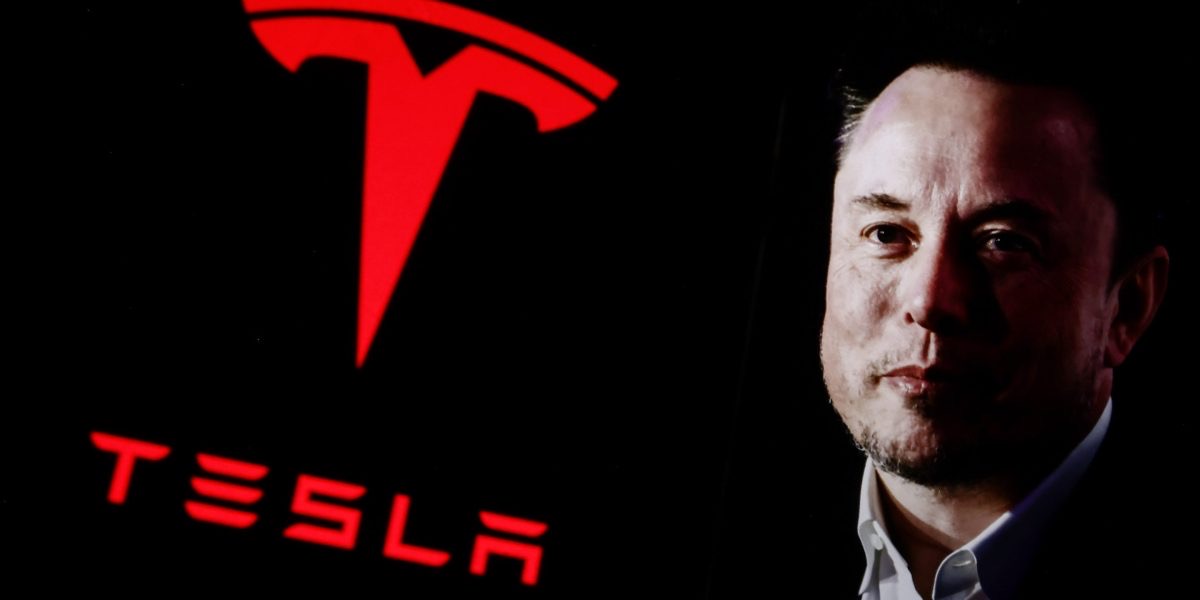
Tesla has built a compelling pitch around older drivers. In a July video, the company featured a 93-year-old San Diego resident named Lois using a red Tesla equipped with Full Self-Driving (FSD) Supervised software to visit her grandkids and run errands. 'I don't have to wait for someone, and it's been a wonderful experience,' Lois said. Later, the company reposted a clip of an 87-year-old woman testing an FSD-equipped Cybertruck and declared that 'FSD Supervised can give you back your freedom.' Elon Musk has also said on X that the technology 'enables safer mobility for senior citizens.'
The product itself tells a more cautious story. FSD Supervised can change lanes and make turns, but it still requires a driver to monitor the road. Tesla added the word 'Supervised' to the name after California regulators accused it of misleading customers about what the software could do. The company has also cautioned that none of its features can replace an attentive person at the wheel.
That creates a real dilemma for older drivers. The system depends on a human who can spot hazards and react quickly, precisely the abilities that can decline with age. A University of Iowa study from last year found that drivers aged 75 to 84 were more likely to be responsible for crashes involving right turns than drivers aged 45 to 64, and more likely to be at fault in crashes at traffic signals. Attorney Brian White, a personal injury trial lawyer, put the problem plainly: 'The seniors who would benefit most from a car that drives itself are often the ones least able to supervise one.'
The liability exposure is also measurable. A Miami jury ordered Tesla to pay $243 million last year after finding its Autopilot system partly responsible for a fatal crash, and a federal judge upheld the verdict in February, though Tesla has appealed. Fortune previously reported that Tesla's robotaxi fleet in Austin had been involved in 14 crashes over 800,000 miles, or one crash for every 57,000 miles, roughly eight times the average crash rate of American drivers recorded by the National Highway Traffic Safety Administration. The agency has also opened an investigation into FSD-engaged cars running red lights and driving against the proper direction of travel.
The market has already priced some of this risk. A $243 million verdict is not a rounding error, and every new marketing claim that outruns the disclaimer adds to the company's legal bill. Capital rewards clear rules, and right now the rules for Tesla's driving software are anything but clear. Investors should ask whether a brand built on the promise of autonomy can afford to let its own fine print tell the real story.
For free enterprise, the lesson is not that innovation should be stopped. It is that a product sold on independence must be honest about its limits. When a company markets a feature as a substitute for judgment it has not yet earned, the cost eventually lands on families, courts and taxpayers who fund the highways and the emergency responders. Power leaves a paper trail, and in this case the trail runs straight from the ad to the courtroom.