Private equity is moving into sports at a pace few expected a few years ago. According to Torsten Slok, chief economist at Apollo Global Management, private equity deals in global sports have roughly doubled from about 100 a year in 2021-2023 to almost 200 in both 2024 and 2025. In his November 22 analysis, Slok wrote that the trend is a sign that investors increasingly see sports as an 'institutional-grade asset class.'
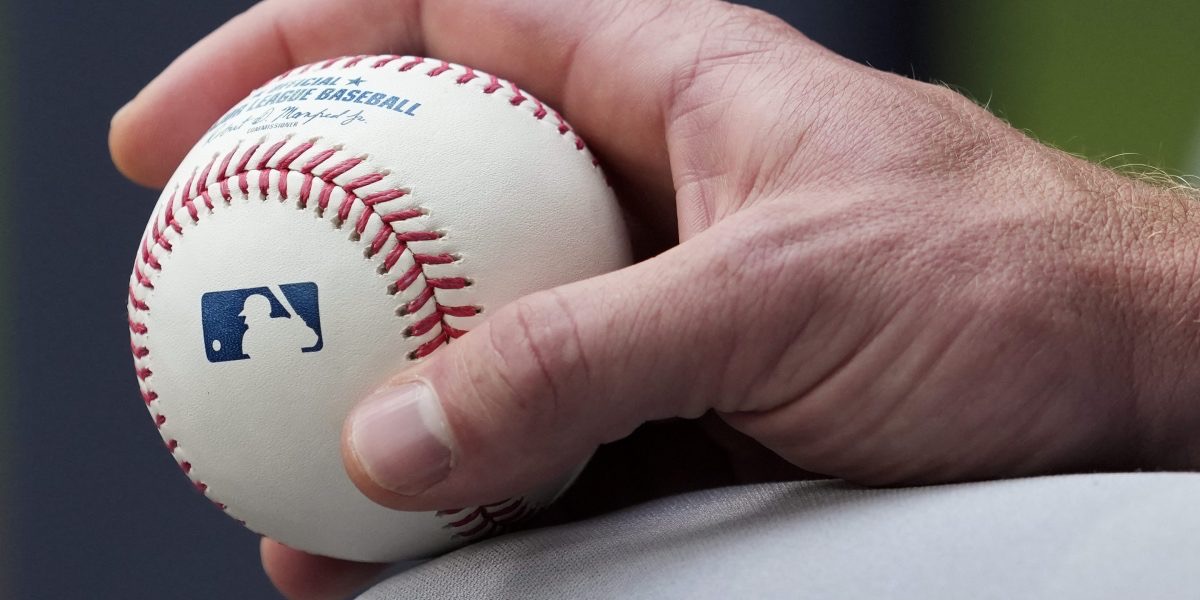
The capital is not stopping at team stakes. Private equity firms also target the businesses that supply, support and monetize sports, from equipment makers to talent agencies and training facilities. On November 19, Swiss investment firm Partners Group agreed to acquire a majority stake in Rawlings Sporting Goods, the manufacturer of baseballs, gloves, bats and protective equipment for Major League Baseball. The league itself held a stake in the company, so this deal hands control to a private firm, something the league's minority stakes in its teams do not do. According to Partners Group, MLB and Rawlings' existing shareholders will keep meaningful ownership. The deal also gives the Swiss firm exposure to brands such as Easton and Combat, along with D-BAT Academies, a network of 228 indoor baseball and softball training facilities.
Apollo has its own sports arm too. In August, Apollo Sports Capital entered the New York Yankees as a 'strategic investment partner.' The arrangement was a $2.6 billion financing agreement with Yankee Global Enterprises, the team's holding company, which the team says will support its 'continued growth' while refinancing existing debt.
The opening is recent. Major League Baseball became the first major U.S. professional sports league to permit private equity investment in franchises in 2019. The NBA and Major League Soccer followed in 2020, the NHL lifted its restrictions in 2021, and the NFL approved private equity ownership in 2024. Each league set limits. According to Sportico, MLB caps institutional ownership at 30% of a franchise, with a single fund capped at 15%. The NFL is the strictest, allowing approved private equity firms a combined stake of up to 10% in a team.
Owners have found the capital useful. Outside money helps pay for stadium construction, arena renovations, player contracts and surrounding entertainment districts without the owners footing the full bill. The Buffalo Bills sold 21% of the team to a group of limited partners in 2024, including a 10% investment from private equity firm Arctos Partners, as projected costs for their new stadium rose from $1.4 billion to $2.1 billion. Professional sports teams earn from broadcasting rights, ticket sales, sponsorships, merchandise, licensing and stadium-related businesses. The five major U.S. professional sports leagues generated approximately $60 billion in combined revenue in 2025, according to figures cited by Congress.
For investors, the logic is straightforward: multiple revenue streams, scarce assets and a loyal customer base. For the free market, it is a cleaner outcome than public subsidy. When a team needs a new stadium, the question should be who bears the risk. Private capital that accepts risk in exchange for returns is a far better arrangement than asking the taxpayer to cover the gap. The leagues opened their doors because the economics made it worth doing. The test now is whether these deals deliver the transparency and financial discipline that outside money demands, and whether the stadium bills stay with the people willing to pay for them.