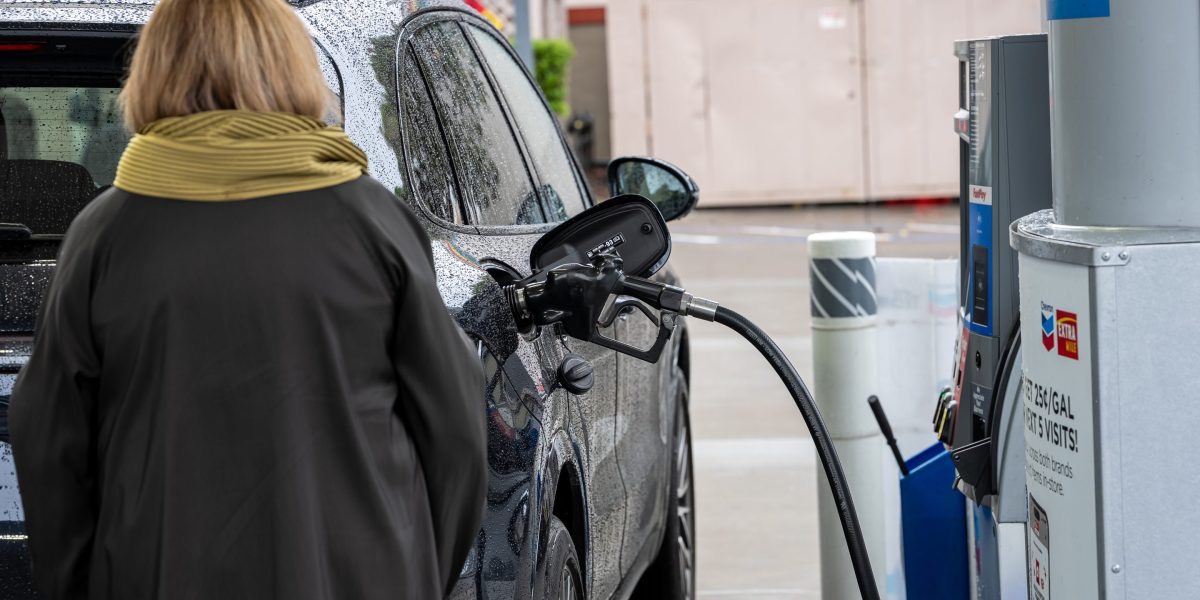
The numbers come first. The average price of regular unleaded gasoline in the United States has plunged nearly 90 cents a gallon in two months, falling to $3.64 on Monday, according to AAA. That is 57 cents higher than a year ago, but the trend has been sharp, and in some parts of the country pump prices were hovering at or just below the $3 mark over the weekend.
"The scale of decline has been a little bit surprising," said Patrick De Haan, head of petroleum analysis at GasBuddy. "But, given how things have developed, it's not really a shock."
So what changed? According to the reporting, the drop reflects a mix of geopolitical factors in the Middle East, typical seasonal declines and refinery operating issues. Fortune reported that there was no conspiracy to keep prices high ahead of the midterm elections. President Donald Trump's actions, however, are cited as key contributors.
The first driver is supply. Despite ongoing conflict, U.S. naval escorts, complicated oil tanker transfers and pipeline bypass routes have allowed the Middle East to return to nearly 90% of its pre-war oil exports. Tanker contracting and insurance costs keep prices elevated, but rising exports helped push the global oil benchmark slightly below $90 a barrel as of Monday.
The second is expectation. Trump said before the elections that he was delaying any major escalation in attacks until after the midterms. That warning had kept oil prices inflated as markets priced in more disruption in November. With no escalation so far, the premium has eased. De Haan noted that the biggest remaining uncertainty is whether anything concrete and lasting emerges, since no peace deal appears close.
The third is the calendar. Fuel prices typically peak in the summer driving season and bottom out in winter. Summer-grade gasoline carries extra additives to keep it from evaporating in the heat, while winter-grade fuel is cheaper and simpler to produce.
The fourth is refining. Nearly 10% of refineries remain offline globally, largely because of wars in the Middle East and Russia. In the U.S., temporary outages at ExxonMobil's Joliet and Phillips 66's Wood River refineries in Illinois added price spikes across the Midwest. As those problems are resolved, prices have eased. China, which mothballed some refineries during the Iran war, has ramped up output, including fuel exports, adding to global supply.
The fifth is the refiners' own push. Refineries are running hard to meet surging fall diesel demand, which also produces more gasoline. "Refineries are operating at their highest November rate since 1998," De Haan said. "This may be the highest utilization year for refineries ever." The U.S. refining sector is reportedly raking in record profits and has often delayed planned maintenance until next year.
The demand side is holding up as well. AAA projects 72.9 million people will travel by road this Thanksgiving, a number close to last year's.
Capital rewards clear rules and open supply. Nothing in this story required a federal price control. Oil reached the market through naval escorts, pipelines and rerouted tankers, and refiners responded to demand with output. That is the free enterprise system doing what it does when it is allowed to operate.
The takeaway for the taxpayer is simpler than the politics. Relief at the pump came from production, seasonal pricing and private refining decisions, not from a bureaucratic fix. The administrative state would prefer to claim the credit, but the numbers point to the market. For households still paying 57 cents more than a year ago, the lesson is that stable supply, not political promises, is what brings prices down.