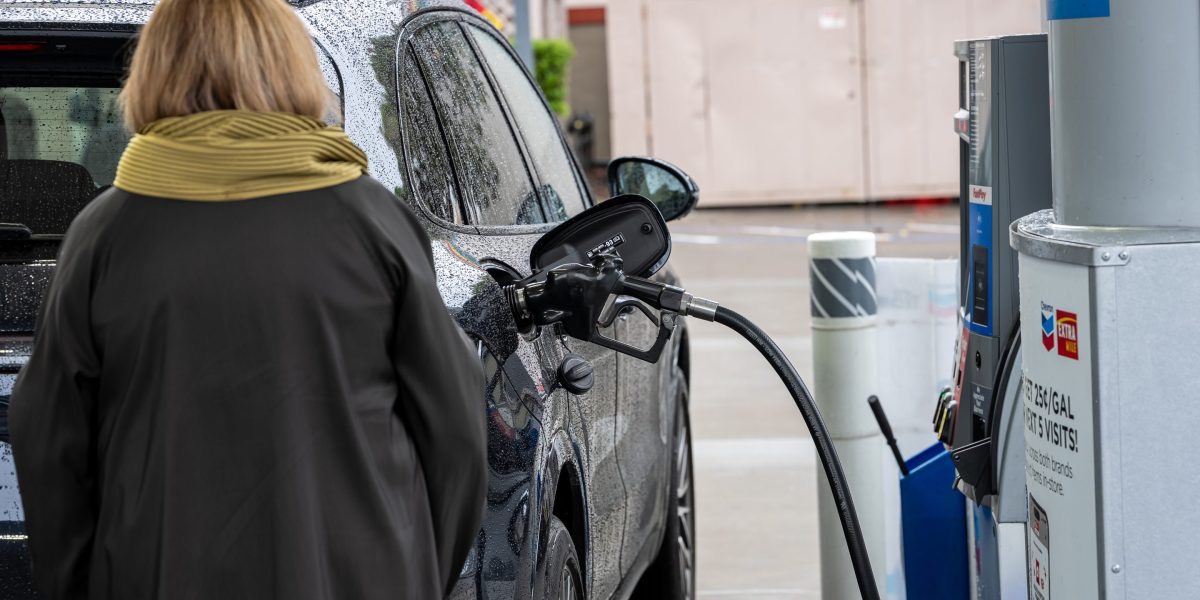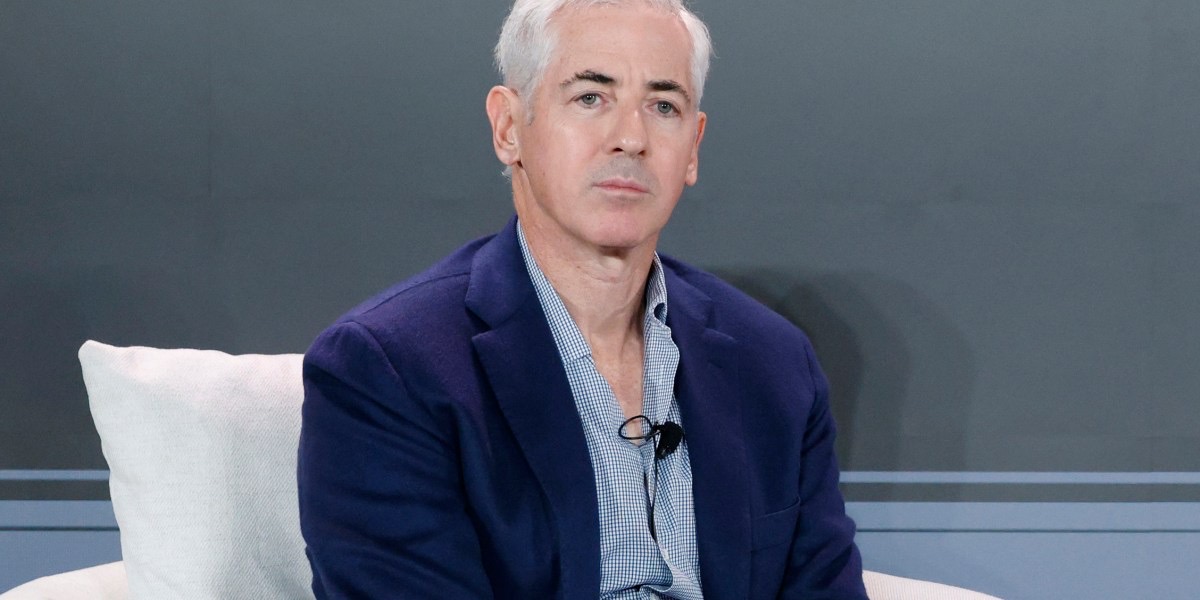
The stock market rebounded sharply in the past 24 hours, and the outlook heading into 2027 looks relatively bright. Yet a warning is coming from one of Wall Street's most visible investors. Bill Ackman, founder and CEO of Pershing Square Capital Management, says the U.S. economy could be headed for another recession, and he is pointing at the Federal Reserve under Chairman Kevin Warsh.
Ackman's concern centers on the Fed's next meeting in the second week of December and whether it will raise rates. He wrote on X that financial conditions have already tightened significantly, courtesy of the bond market, making borrowing more expensive for private businesses trying to invest. Capital expenditure, particularly in AI infrastructure, has been a key driver of the U.S. and global economy over the past year, and higher borrowing costs threaten that engine.
'The Fed's 2% inflation ambition is misguided,' Ackman said earlier this week. He argued that geopolitical risk, military spending, deglobalization, tariffs, and massive AI and energy investment are features of the world that did not exist when the 2% target was set. '3% inflation is a more realistic ambition in the new world,' he said. He concluded: 'The Fed will put the U.S. and [the] world in recession if it continues to raise rates in a failed attempt to drive inflation to 2%.'
The inflation backdrop gives the debate its urgency. According to the Bureau of Labor Statistics' most recent data, inflation is running at 3.7% annually. Chairman Warsh has made clear that he wants to give consumers and businesses a break from prices that sit well above the 2% benchmark. Fortune reports that Apollo's chief economist, Torsten Slok, estimated that the Fed would need to raise the base rate by roughly 275 basis points, from about 4% to 6.75% by the end of 2027, to bring CPI back to 2%. That arithmetic is the core of Ackman's warning.
Markets have already made their call. On CME's FedWatch, 97.5% of rate traders expect a 25 basis point increase, taking the target range to 4% to 4.25% at the December meeting. Wall Street firms broadly expect hikes in December and into early 2027. Deutsche Bank projects increases in December, January and March, each of 25 basis points. UBS's base case is a rate of 4.5% through December 2027, and Goldman Sachs expects two more hikes through next year, with easing resuming by late 2027.
UBS economist Paul Donovan has also noted a telling shift in tone. 'Some on the Fed seem to be moving toward advocating a recession in the non-oil economy,' he said, adding that a Fed-induced recession 'is not considered yet, but some members mentioned the possibility of a restrictive policy in the future.' Donovan has previously argued that Ackman might be right, noting that the Fed is weighing aggressive hikes over broader inflation concerns tied to oil prices and AI-related demand, factors the central bank cannot easily control.
The numbers come first, and they are uncomfortable. Borrowing costs are rising, markets expect more hikes, and the path to 2% inflation runs through a recession by the Fed's own arithmetic. Capital rewards clear rules, and right now the rules are shifting toward a tighter, more expensive credit environment that falls hardest on small businesses, homebuyers and anyone financing growth.
For the taxpayer, the stakes are concrete. Higher policy rates raise the cost of servicing government debt and squeeze private investment that would otherwise create jobs and productivity gains. A central bank that treats a 2% target as sacred, even when the surrounding world has changed, risks trading a manageable inflation problem for a self-inflicted downturn. Ackman's argument for a more realistic target deserves a serious hearing, because the market, not the Fed, will ultimately deliver the verdict on whether the cost was worth paying.