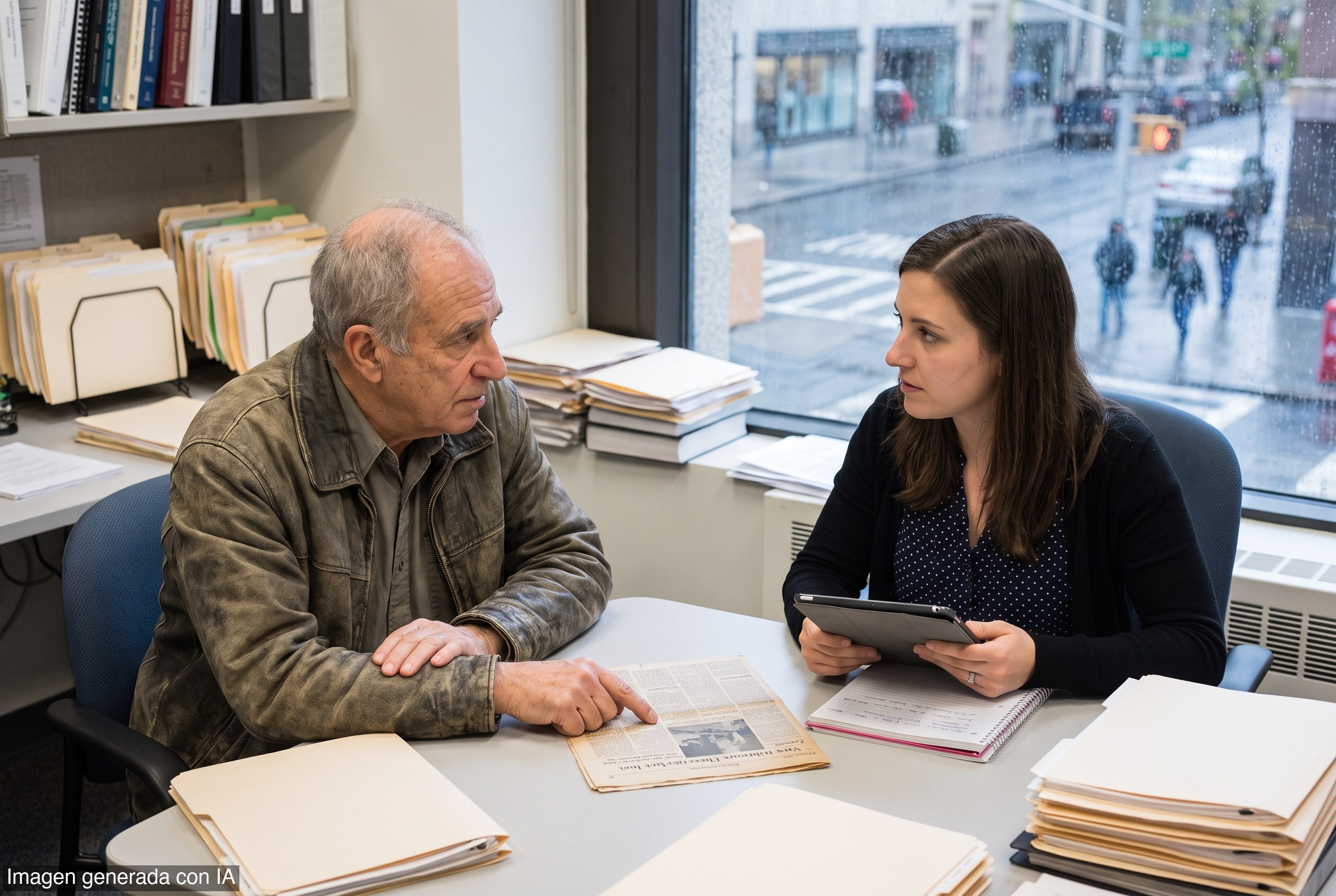
The numbers come first. In research launched in the days after the September 11 attacks, the authors asked a few thousand people across the United States how they first learned about the event, who they were with, where they were, what they were doing beforehand and how they felt.
The same group was followed one year, three years and 10 years later, and the researchers are now collecting memories after a quarter century. After only a year, about 40% of the details did not match what the same volunteers had reported just days after the attacks.
The authors say people remained extremely confident their memories were correct. One person first said he was at work when he heard the news, then later said he was on the train. Another first described being with her husband, then later remembered being with her son.
The study is about flashbulb memories, the personal circumstances around learning of a major event rather than the facts of the event itself. The researchers say these memories can last a lifetime, but they are not necessarily accurate.
They also say the errors became stable over time. What most people reported after one year, even if it was wrong, remained their memory in later assessments.
The researchers argue that memories are dynamic, not fixed, and that confidence does not always track objective accuracy. They say emotional events can produce better memory for a few important details and greater confidence despite worse recall for many other details.
The work also points to a social factor: memories for emotional or important events are often discussed with others, and the authors say that social acknowledgment can boost confidence in their accuracy. In their view, that helps explain why people stay sure even when details drift.
There is a wider lesson here for any institution that treats memory, narrative or consensus as a substitute for hard evidence. Human beings do not store experience like a ledger. They rebuild it. And once a story is repeated enough, confidence can harden even when the facts have moved.
For markets, governance and public trust, that matters. Capital rewards clear rules and verifiable records, not sentiment dressed up as certainty. The same lesson applies outside psychology: if a claim cannot survive contact with evidence, confidence is not proof. It is only confidence.