The numbers come first. About 2.68 million people work for the federal government, according to Bureau of Labor Statistics data released earlier this month. That is a decrease of about 1,000 workers from September, and the lowest level since the summer of 1965.
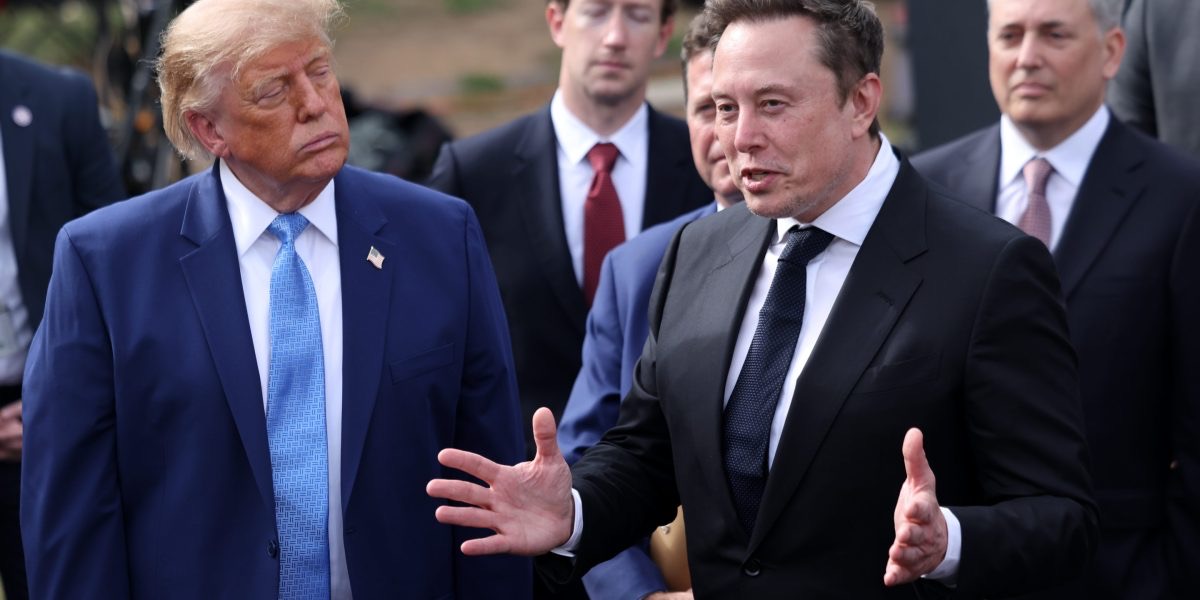
The reduction traces back to the Department of Government Efficiency. Since DOGE's inception in January 2025, the federal government is more than 258,000 roles smaller, according to Office of Personnel Management data. Even after DOGE was officially disbanded last November, with its agents sent to continue their work inside the administration's separate agencies, headcount fell another 42,000 in 2026. Under Elon Musk, the agency also implemented a deferred resignation program that saw the largest mass resignation in American history last September.
The result is a workforce that is aging out without replacement. People younger than 30 make up just 7% of the civil service, even though that age group accounts for 23% of the total American workforce, according to OPM Director Scott Kupor. As of January 2026, young people made up 7.9% of federal employees, down from 8.9% in September 2024, before President Donald Trump took office, according to the Partnership for Public Service.
Transportation Secretary Sean Duffy put the problem in blunt terms during a November 12 visit to Texas Christian University. 'I need young, smart people that are coming in, willing to serve,' Duffy said. 'I find it fascinating that more young people don't want to apply. We're begging for people to come in.'
Elizabeth Linos, the Emma Bloomberg Professor of Public Policy and Management at the Harvard Kennedy School, argued that the recruiting push is being undercut by the cuts themselves. 'The government sent a message, in particular to young people, saying these jobs are not going to be safe and they're not going to be secure,' Linos told Fortune. In her view, the administration is sending two contradictory signals about whether it wants talent in government at all.
The administration is trying anyway. The Office of Personnel Management launched the Early Career Talent Network in March, targeting entry-level applicants for finance, human resources, engineering, project management and procurement roles. The U.S. Tech Force, launched last December, aims to hire 1,000 engineers and specialists to work with private tech companies on the government's AI buildout. The Department of Transportation went further, running an April campaign aimed at Gen Z gamers with recruitment videos featuring titles like Fortnite. The agency hired more than 2,000 air traffic controllers, a record for trainees hired in a year, yet it still has more than 4,000 fewer employees than it did before Trump took office, according to OPM data.
The labor market is part of the backdrop. The unemployment rate for recent college graduates exceeds the overall unemployment rate, according to the Federal Reserve Bank of New York. Deloitte's 2026 Gen Z and Millennial Survey found that young people, worried about AI displacement, are prioritizing stability and work-life balance. A government job with security would seem like an easy sell in that climate.
OPM framed the reductions as a gain for taxpayers. 'By realigning roles, streamlining operations, and modernizing how agencies manage talent, we are strengthening performance and accountability across government,' Kupor said in a statement to Fortune. 'This effort ensures taxpayer dollars support a workforce that delivers efficient, responsive, and high-quality services.'
The editorial reading is less generous. Capital rewards clear rules, and the federal workforce now sends the opposite signal: jobs that can be cut by the tens of thousands on short notice are not a career worth betting on. Taxpayers may be spending less on payroll, but the administrative state is now facing a skills gap it created itself. Free enterprise has an answer to that problem, which is competitive pay, stable rules and real accountability for performance. Whether Washington can rebuild trust with a generation it just showed the door is the question that will decide whether the smaller government is also a more capable one.