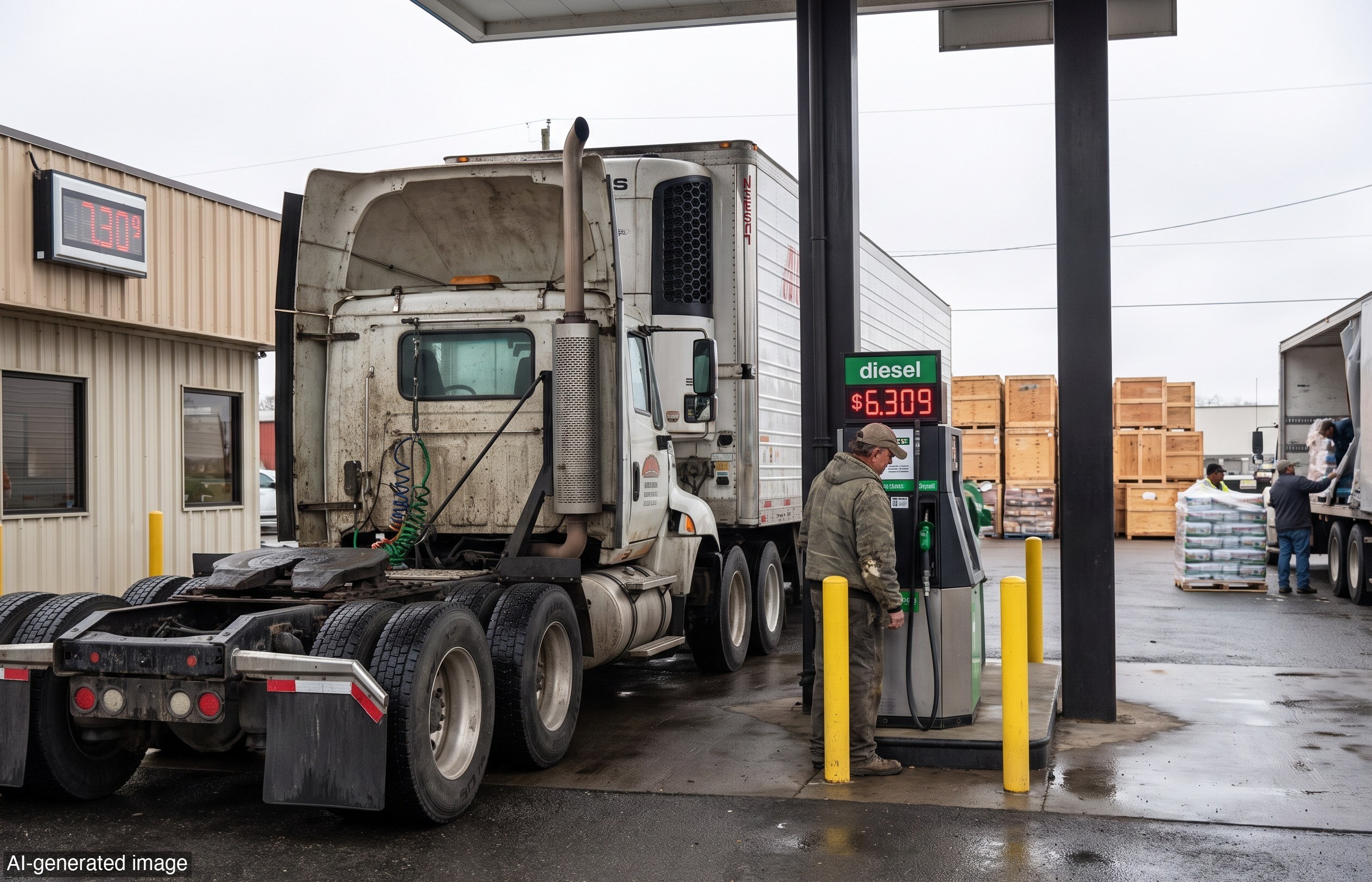
Diesel, not crude, is now steering part of the market that matters most to producers, truckers and borrowers. Fortune reports that for the first time ever, 10-year US Treasury yields have correlated more closely with diesel prices than with crude oil, a sign that refined fuel costs are feeding inflation and financing conditions directly.
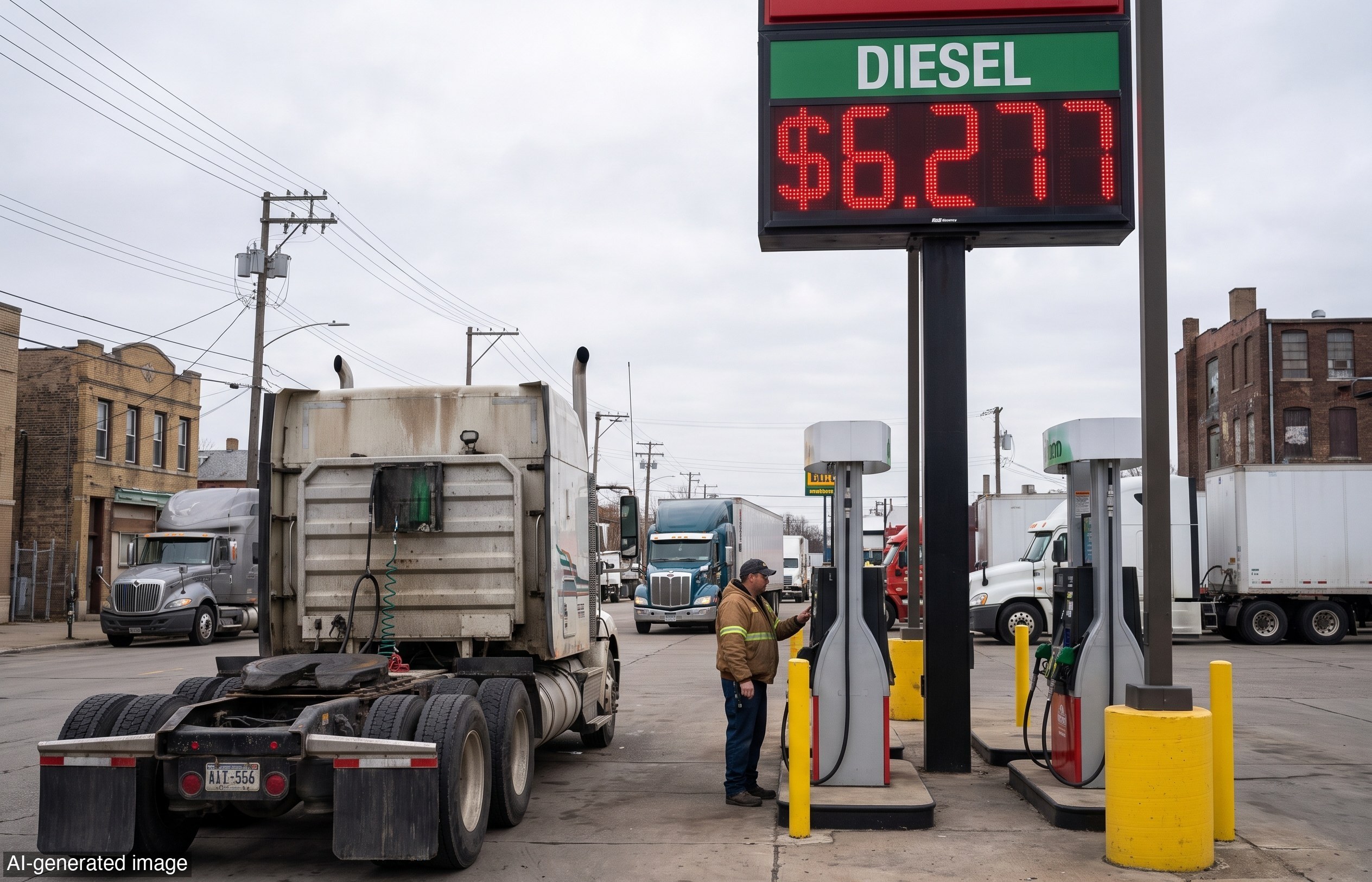
The national average for diesel is about $6.277 per gallon, according to AAA, down from a $6.528 high but still 71% above year-ago levels. U.S. crude oil is up 56% from a year earlier. The gap matters because diesel is a critical input in manufacturing, agriculture and logistics, and recent spikes have shown up in transportation costs and in what businesses say they are paying.
Amrita Sen, director of market intelligence and co-founder at Energy Aspects, wrote in the Financial Times that products have been trading at double the price of crude in recent months and that 'diesel and gasoline drive inflation, not crude oil.' She said the old relationship between crude and refined products has broken down.
That shift has already reached the bond market. Sen said 10-year US Treasury yields have, since May, tracked diesel more closely than crude for the first time ever. With higher fuel costs keeping inflation forecasts elevated, markets are pricing in a more hawkish Federal Reserve and higher borrowing costs for consumers.
The Trump administration has started moving on the issue. On Monday, Trump signed an executive order to defer the 24-cent federal tax per gallon on diesel until the end of the year, though most states have separate levies. On Friday, he said he reached a deal with Vladimir Putin to obtain diesel from Russia, a sharp reversal from years of U.S. pressure on Moscow over its invasion of Ukraine.
Trump said Russia will supply more than 300,000 tons of diesel now, then 500,000 tons in November and 1 million tons 'immediately thereafter.' He also said Russia will deliver another 3 million tons 'within a short period of time' after that. The announcement came after Trump signed a sweeping sanctions law last month that imposes steep tariffs on the top buyers of Russian energy.
Still, the relief may be too small to matter. Farmers and truckers say the diesel tax move will offer little help, especially with per-gallon prices still $2.60 higher than a year ago. Energy experts also said Russian diesel may not make much of a dent. Michael Lynch of the Energy Policy Research Foundation called it 'shuffling deck chairs on the Titanic' in comments to the Associated Press.
The market has already voted on the broader problem: when diesel drives inflation, Washington can defer a tax or reshuffle supply, but it cannot decree away scarcity. Capital rewards clear rules and reliable energy, not improvisation. If borrowing costs stay tied to fuel, the taxpayer and the consumer will keep paying for policy that arrives after the price spike.
The political warning is just as blunt. Fortune cited a new Politico poll showing that only 10% of undecided voters said they would be more likely to vote for a Republican if gas prices fell by $1 a gallon, while 29% said it would have no impact and 57% said they didn’t know. Even a sharp move in fuel prices may not be enough to reverse the damage once inflation has already bitten.