Washington — The numbers come first. The Smithsonian Institution administers 21 museums and the National Zoo, draws millions of visitors annually, and has operated on the National Mall since its founding in 1846. It is, by any measure, one of the most powerful cultural platforms in the United States. That is precisely why the White House moved against it.
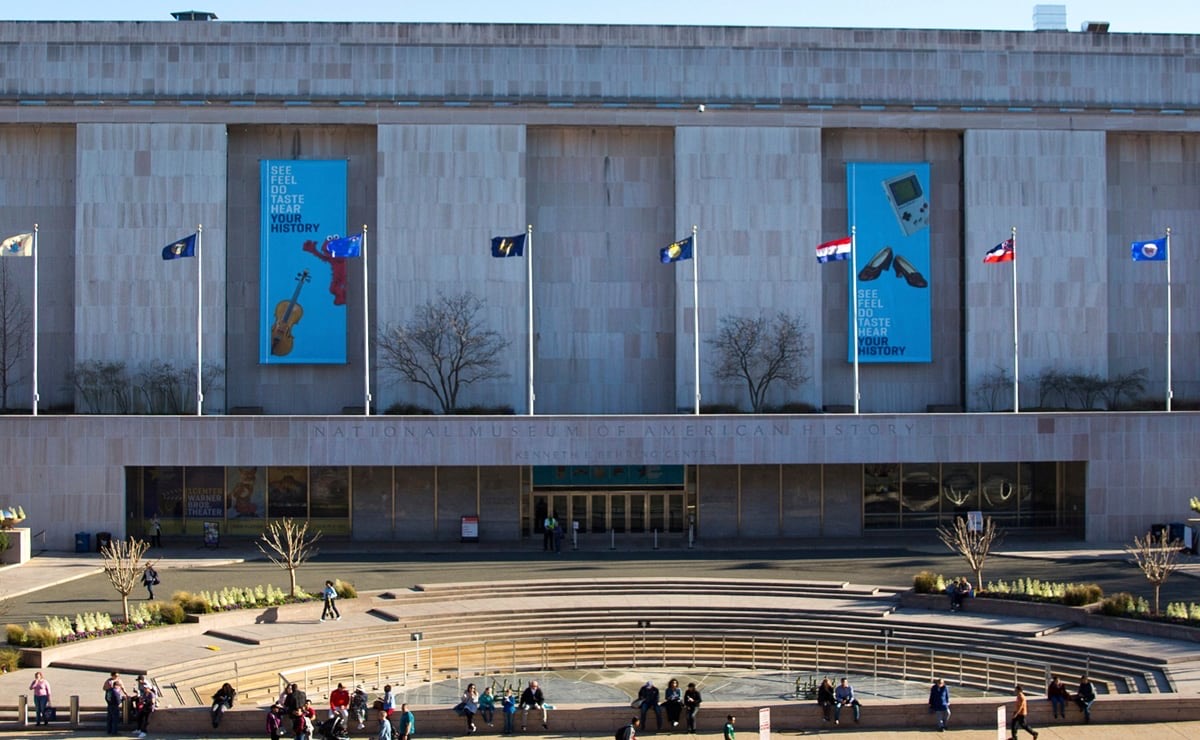
President Donald Trump issued an order directing the Department of the Interior to install temporary warning signs on the sidewalks and pathways leading to the National Museum of American History in Washington. The signs, according to the White House, must inform visitors of the conclusions of an administration report and direct the public toward resources deemed to provide accurate information about U.S. history.
The order describes what it calls 'ideological capture' — a term the document uses to characterize what the administration views as a systematic drift from the Smithsonian's core historical mission. Specifically, the White House charged that certain exhibits and programs present American history in a 'one-sided' and 'negative' manner, focused on divisions and grievances while sidelining the country's achievements and founding principles.
The administration also accused the museum of having 'failed to adequately honor the 56 signers of the Declaration of Independence during the year in which the United States commemorates the 250th anniversary of its founding.'
The museum's current 250th-anniversary exhibition, according to its official website, gathers 250 historical objects and addresses both the country's advances and the conflicts that have marked its development. The Smithsonian did not issue an immediate public response to the order.
Criticism came quickly from Capitol Hill. Rep. Melanie Stansbury, Democrat of New Mexico, accused the president, in a written statement, of attempting to use executive authority to 'impose his political will on independent cultural institutions.' The White House has maintained, since Trump's return to the Oval Office in 2025, that the Smithsonian has worked to undermine 'the remarkable achievements of the United States by presenting its core principles and historical milestones in a negative light.'
---
The Smithsonian is federally chartered and receives substantial taxpayer funding — which makes the question of whose history it tells a legitimate one, not a fringe complaint. When a publicly financed institution with 21 museums and a captive audience of schoolchildren skews its narrative, the cost is not merely aesthetic. It is civic.
Trump's use of warning signs rather than budget cuts or personnel changes is a pointed, low-cost intervention: it puts the debate in front of every visitor before they walk through the door. Whether the museum's curators adjust course or dig in, the administration has already made its argument where it counts — at the entrance, in plain sight, on public ground. Capital rewards clear rules; so does a republic that still wants to know what it stands for.