The numbers come first: two Saudi oil tankers struck, two of the world's most critical crude shipping lanes now under active threat, and a U.S. president who has put Iran directly in his crosshairs.
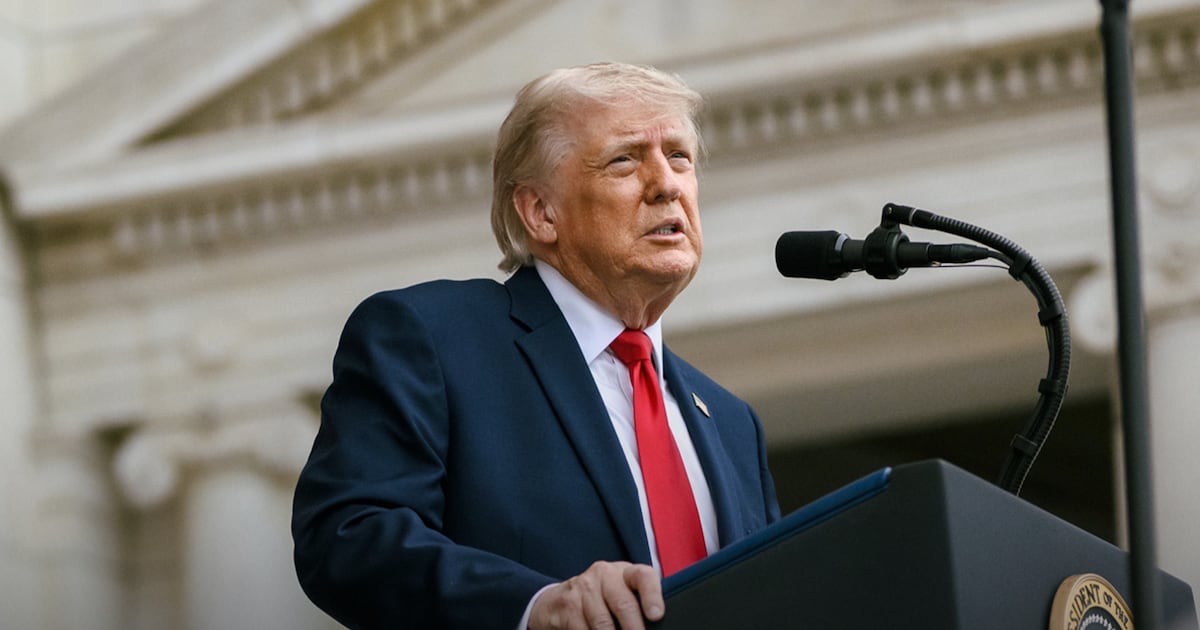
President Donald Trump vowed to impose 'major military punishment' on Iran and Yemen's Houthi rebels after the group claimed responsibility for attacks on two Saudi petroleum vessels in the Red Sea. Trump stated that Tehran would be held accountable for any future Houthi strikes and warned that Washington would respond with force if the aggression continues.
The Houthis framed the assault as part of a deliberate offensive to block Saudi oil exports. The action extends the regional crisis from the Strait of Hormuz into the Red Sea, placing pressure on two of the most strategically vital maritime corridors for global crude transport.
According to sources cited by Reuters, Tehran has supplied the Houthis with military equipment, including missiles, to bolster their operational capacity. Iran denies directing the group's operations and maintains the Houthis act independently.
Saudi-backed forces responded with airstrikes against Houthi positions inside Yemen, while the rebel movement announced what it called an 'economic war' and pledged to sustain attacks on Saudi petroleum infrastructure.
Trump, for his part, left the door open to a diplomatic resolution — a signal that Washington prefers a negotiated off-ramp but is not willing to absorb further escalation without cost.
What it means. Two shipping lanes — the Red Sea and the Strait of Hormuz — now carry geopolitical risk priced in real time by energy markets. Every barrel that cannot move freely through those corridors is a tax on global commerce, paid ultimately by consumers and manufacturers who had no vote in Tehran's proxy strategy. The Trump administration's posture — credible military threat paired with a diplomatic window — is the correct framework: deterrence without foreclosing resolution. The alternative, the studied ambiguity of prior administrations, produced the current escalation. Capital rewards clear rules, and the energy market needs to know who bears the cost of Iranian adventurism. The answer, according to this White House, is Iran itself.