'Iran Has Been Warned'
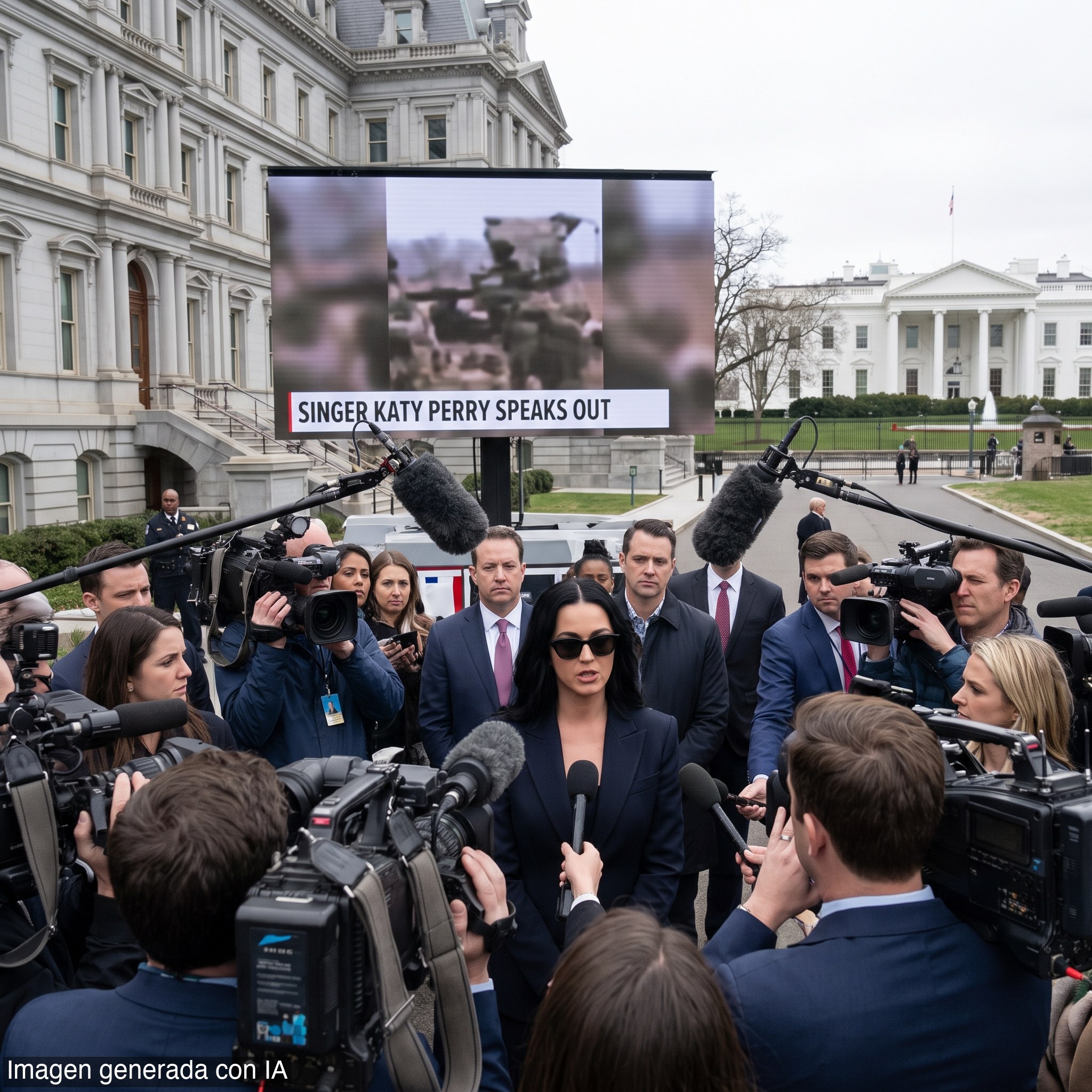
The White House's official TikTok account posted a video Thursday showing footage of U.S. military strikes on Iran, set to the 'boom, boom, boom' lyric from Katy Perry's 2010 Grammy-nominated hit 'Firework,' off her album Teenage Dream. The caption on the post read: 'Iran has been warned.'
By Saturday morning, Perry had taken to X to make her position clear. 'I am deeply appalled and angry to see 'Firework' used on the @WhiteHouse TikTok account as a backing track for video footage of military strikes,' she wrote. 'I did not approve this, I was not asked, and I absolutely do not condone it.'
Perry described the song as 'an anthem of hope, healing, and inner strength for people going through their darkest personal moments,' and argued that using it over bomb footage represented 'a complete violation of everything my song stands for.' She closed her statement: 'My music is for bringing people together, not celebrating warfare.'
A Pattern Taking Shape
Perry is not the first artist to lodge this complaint. According to The Hollywood Reporter, the list of musicians who have publicly objected to the Trump administration's use of their songs includes Ariana Grande, Sabrina Carpenter, Olivia Rodrigo, Celine Dion, and Kenny Loggins, among others.
Last month, Grande objected after the White House used her 2024 song 'Bye' in a video promoting the Trump-signed Secure America Act, which would fund ICE and Border Patrol. 'Please do not ever use my music in relation to this barbaric, inhumane, heinous nonsense,' Grande wrote in the comment section of the White House post.
Earlier this year, Kesha condemned the White House for using her song 'Blow' on TikTok featuring fighter jets with the caption 'Lethality.' 'Trying to make light of war is disgusting and inhumane,' Kesha wrote on Instagram and X in March. 'I absolutely do NOT approve of my music being used to promote violence of any kind.'
At a press briefing Friday, a reporter asked President Trump about potential strikes on civilian infrastructure. Trump declined to answer the question directly and, upon learning the reporter worked for The New York Times, responded, 'Figures. Failing New York Times.'
The Editors' Read
The underlying legal question — whether the White House cleared the necessary synchronization rights before posting — is the one that actually matters here, and neither source addresses it. Copyright law does not bend for political convenience, and 'I was not asked' is a statement with potential legal weight, not merely an aesthetic grievance.
What the episode does illustrate is a recurring communications pattern: a White House that moves fast on social media and lets the rights questions sort themselves out later. For an administration that champions property rights and the rule of law, the optics of repeatedly using artists' intellectual property without documented clearance are worth examining. Capital rewards clear rules — and that principle applies to IP as surely as it does to any other asset class.