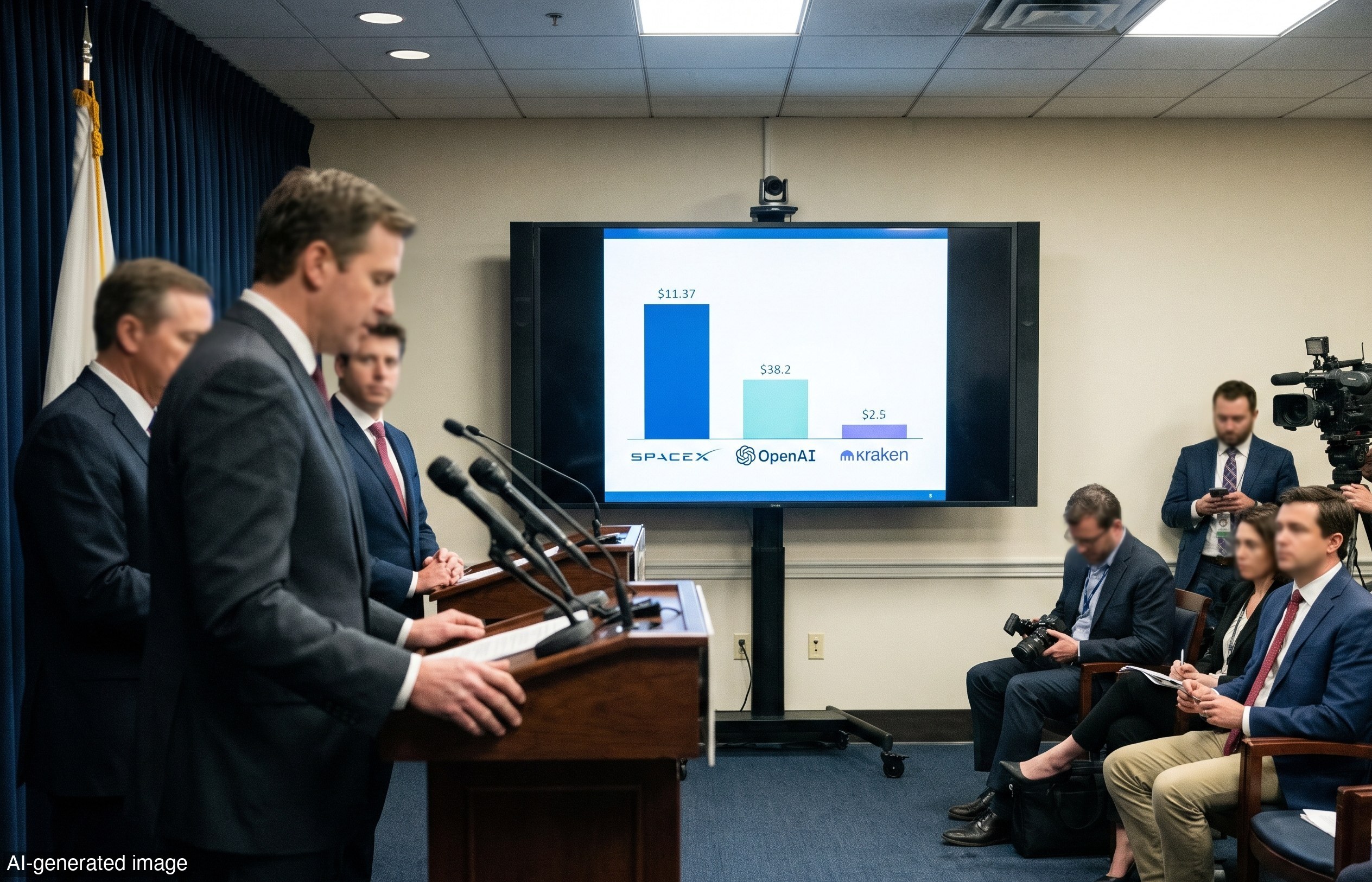
The SEC disclosed two cases this week involving phantom pre-IPO shares of SpaceX, OpenAI and other startups, as retail demand for private-market access keeps climbing.
In one case, the agency said scores of mom-and-pop investors, including some Navy veterans, were victims of fund advisors who claimed to be investing in pre-IPO shares of the startups. The SEC alleges the advisors never actually bought or owned shares of any of the companies.
The agency says the funds were instead used for money-losing options trades and shopping sprees at Bloomingdale’s and Amazon. In one episode, the SEC claims one accused fund advisor spent $18,000 of fund capital on 'personal entertainment' at a strip club.
The SEC says Owen Meyer tried to pay a $4,400 bill to the club at 4:41 a.m. using a debit card tied to Meyer Global Partners, but it was declined twice. Minutes later, according to the SEC, Meyer transferred $10,000 from a fund account containing only investor money to the Meyer Global Partners account, then allegedly paid the club $4,400 at 4:44 a.m. and another $3,650 at 5:30 a.m.
The receipts allegedly listed drinks, 'entertainment room rental fees,' and the name of Meyer’s cocktail server at the club, the SEC says.
In the other case, the SEC charged two men with defrauding 35 investors of more than $8.7 million through Beyond Alpha Ventures. The agency says the pair pitched a trading fund with 153% net returns plus pre-IPO stakes in Kraken and SandboxAQ.
According to the SEC, the trading fund lost money in 13 of 14 months, and less than half the nearly $6 million raised for pre-IPO deals went into them. Much of the rest went into options trading that was later lost, the complaint states.
The SEC also says the two allegedly sent fake statements to investors, including one hand-delivered to a Navy veteran couple that said their $750,000 investment had grown to $4.1 million. One of the partners, reached by Fortune, called the allegations 'completely false.' The other partner, and Meyer, did not respond to requests for comment.
The market has already voted on the underlying pitch: investors want access to the next big thing, especially when AI valuations are soaring. But when private capital becomes a sales story rather than a real asset purchase, the taxpayer is not the only one at risk; ordinary investors are.
Capital rewards clear rules. This is another reminder that the secondaries market and private fundraising need more than hype. They need accountability, transparent custody, and a hard line against managers who treat other people’s money like a personal expense account.