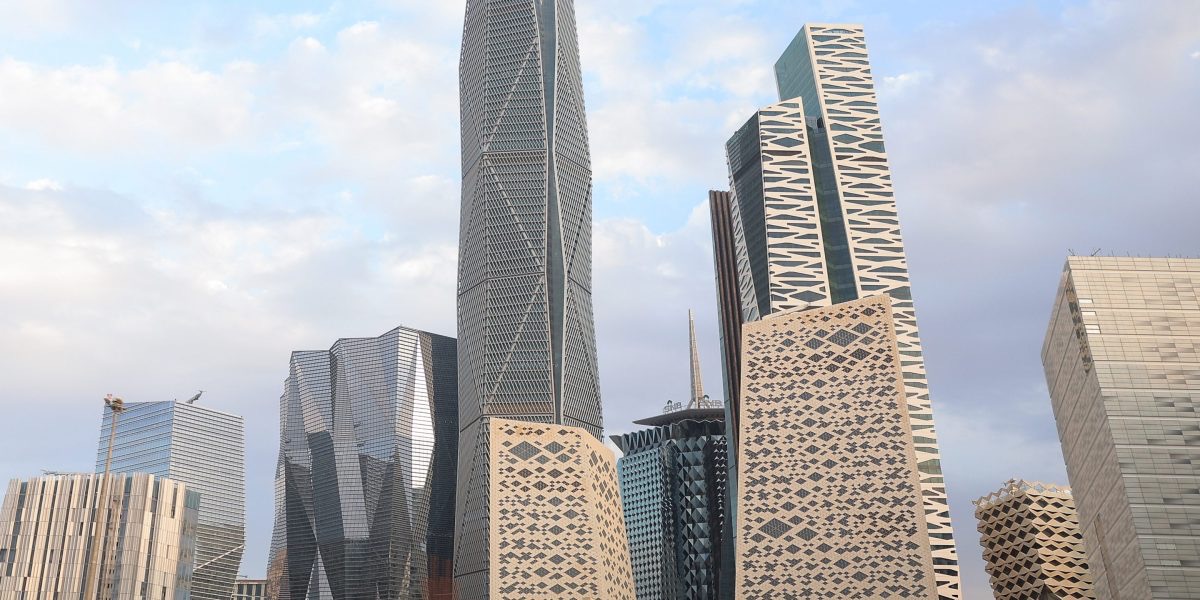
The numbers come first. Saudi Arabia's annual budget for 2027, unveiled on the same day the Houthis struck the headquarters of the Public Investment Fund (PIF), projects a deficit of SAR190 billion ($50.64 billion). The kingdom is now preparing for its first economic contraction in several years.
Foreign direct investment fell 18% in the second quarter, reaching SAR 22.3 billion ($5.95 billion) compared with the previous quarter. Many foreign investors are taking a wait-and-see approach until the trajectory of the U.S.-Iran war becomes clearer. Riyadh targets $100 billion in annual FDI by 2030, yet the kingdom attracted $33 billion in 2025. Tim Callen, a visiting fellow at the Arab Gulf States Institute and a former IMF mission chief to Saudi Arabia, said reaching the $100 billion goal would require 'exceptionally strong growth.' 'There is no evidence to suggest this will happen,' he said.
The fund itself is running out of room. PIF is reluctant to contribute more of its own cash given its declining assets and mounting losses. Callen calculates its cumulative impairments stood at nearly $30 billion during 2024 and 2025. PIF recorded $8 billion in write-downs on its five gigaprojects in 2024, with Neom, the planned futuristic desert city, accounting for the largest share. Payments to contractors to terminate long-term Neom agreements are expected to total $16 billion over the next five years, more than the fund plans to spend on construction.
To keep the lights on, PIF is turning to debt and asset transfers. On November 1 it sold a 49% stake in the AI firm Humain to state-owned oil giant Aramco, which is set to inject $2.6 billion into Humain this year. Shortly before, it secured a €2.8 billion ($3 billion) loan from a 25-bank consortium backed by a guarantee from Italy's credit-export agency. In May it sold a three-tranche bond worth $7 billion, and a senior executive said in August the fund planned to return to the global debt market early next year.
That strategy carries a price. With the riyal pegged to the U.S. dollar, Saudi monetary policy tracks Washington's, so the kingdom faces higher borrowing costs just as its current account and fiscal deficits widen. Callen said PIF will have to focus on higher-return projects that make sense at higher interest rates.
Khalid Azim, director of the MENA Futures Lab at the Atlantic Council's Rafik Hariri Center, argued that human capital will matter more than financial capital in the next phase of Vision 2030. He noted that approximately 71% of Saudi citizens are under the age of 35.
The market has already voted. Foreign capital is hesitating, the sovereign fund is selling its crown jewels to pay for its own projects, and the bill is landing on Saudi taxpayers and on the investors who were promised a diversified economy. Capital rewards clear rules and predictable returns. Vision 2030 has offered neither, and the gigaprojects that were meant to showcase the new Saudi economy now look like the most expensive lesson in state-directed investment. Free enterprise, not a sovereign balance sheet propped up by borrowing, is what ultimately builds durable growth.