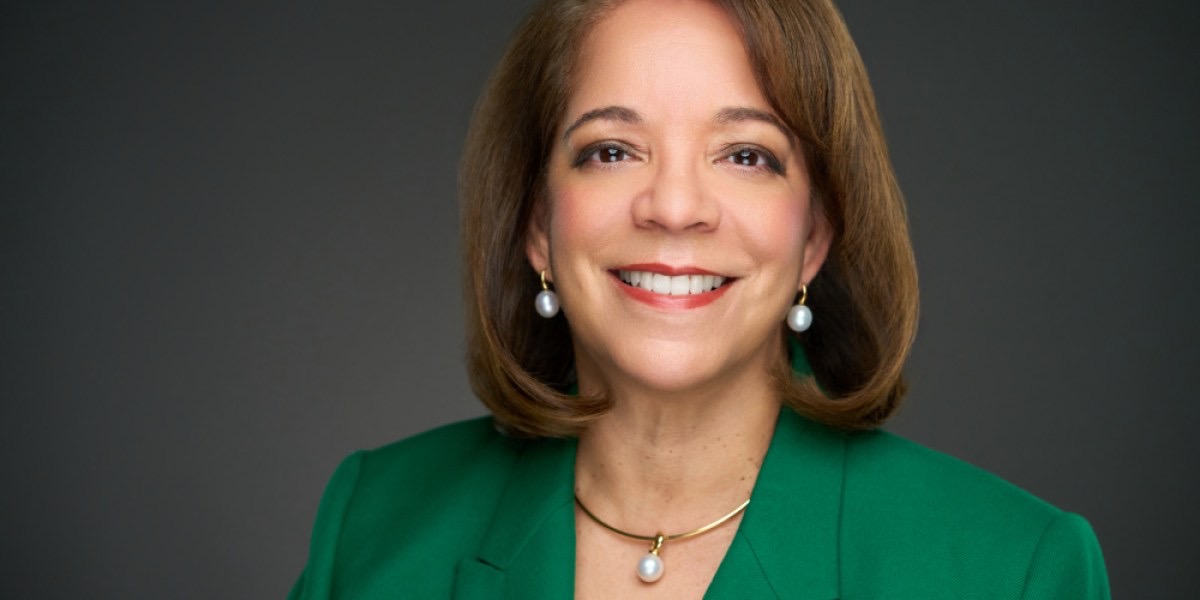
Philanthropy has a planning problem, and the numbers make it hard to ignore. According to Hilary Cramer Robinson of HCR Philanthropy, who spent 20 years as a fundraiser at nonprofits serving children and families before becoming a philanthropic advisor, most donors give to whoever asks, not to the mission they care about most.
Robinson describes the pattern plainly. Donors bought tables at friends' galas out of obligation. Gifts followed board members, and when those members rotated off, the money often went with them. Renovations to an after-school site were shelved, and families waited for services while staff scrambled to replace the funding.
The scale of the coming transfer raises the stakes. Cerulli Associates estimates that $124 trillion will change hands by 2048, most of it going to heirs, with roughly $18 trillion headed to charity. Robinson warns that the reactive, relationship-driven way many families give is not built for that volume. Without change, the next generation will give the way its parents did, only with far more money at stake.
Meanwhile, a large pool of capital is already set aside. Assets in donor-advised funds (DAFs), which Robinson describes as charitable savings accounts where you deduct now and decide later, more than quadrupled in under a decade to $326 billion in 2024. Many donors use them well. But because a DAF requires no payout and no plan, money can sit for years while the need grows.
Robinson says the hesitation is understandable. Donors are busy, constantly solicited and worried about getting it wrong. Yet the caution is costly. When nonprofits were asked what they needed, the honest answer was almost always unrestricted dollars and trust in leadership to direct the gift where it matters most.
Robinson's remedies are practical. She urges families to bring children and grandchildren into giving decisions, to commit to multiyear, unrestricted support for trusted organizations, and to treat a charitable plan with the same seriousness as an estate plan. She also points to wealth managers, estate attorneys and DAF sponsors, who can ask every client whether they have a giving plan.
The market has already voted on where capital wants to go: into charitable vehicles that sit idle. Capital rewards clear rules and clear purpose. A giving plan is simply the philanthropic version of that discipline, and it is the difference between money that serves a mission and money that waits for a phone call.