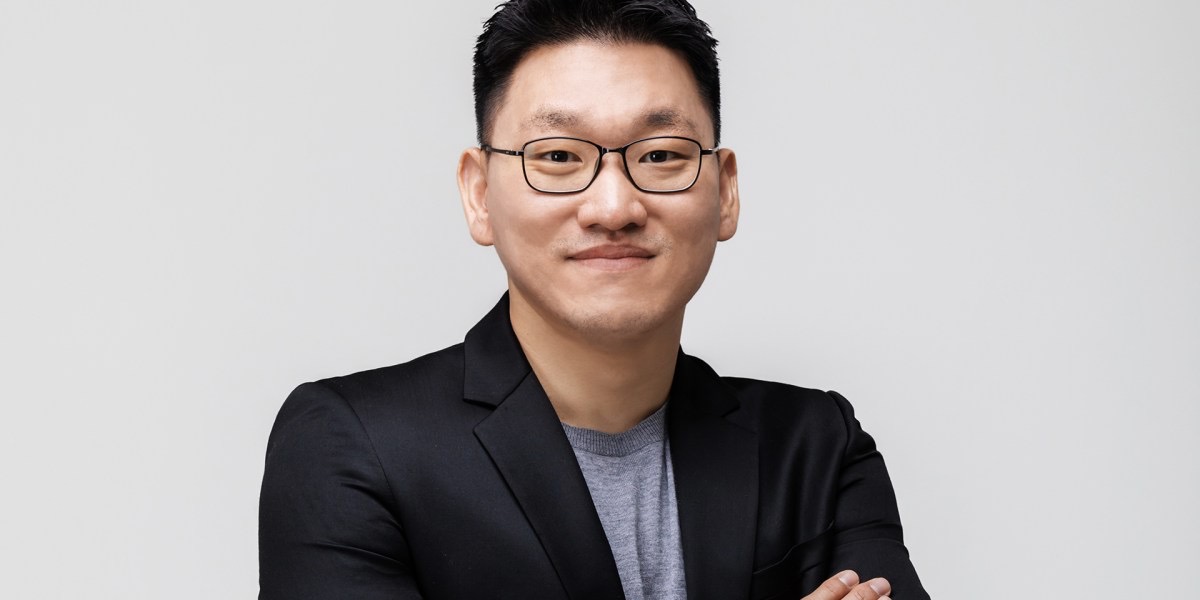
South Korea's two largest memory makers are rivals in nearly everything, but not here. Samsung Electronics and SK Hynix both back Rebellions, a chip startup valued at $2.3 billion and cofounded by Sunghyun Park. The company is at the center of a national effort to build chips that do not depend on Nvidia or any other U.S. or Chinese supplier.
The structure of the deal is what stands out. According to Park, the Korean government decided the country 'needs one champion' rather than multiple competitors. He described the government asking SK Hynix and Samsung to help, and asking SK Telecom and KT, the country's top two data center companies, to become customers. Money is part of the package too. The Korea National Growth Fund co-led Rebellions' $400 million round in March.
Park's background is a resume built in the open market. He graduated from the Korea Advanced Institute of Science and Technology, earned a PhD in electrical engineering and computer science at MIT, and worked in chip engineering roles at Intel, SpaceX and Morgan Stanley before returning to Korea to launch Rebellions in 2020. The company is 'fabless,' meaning it designs chips and contracts manufacturing out to Samsung. In 2024 it merged with Sapeon, another SK Group-backed chip designer, and Samsung invested in the combined company in 2025.
The product pitch is efficiency rather than raw power. Rebellions is part of a wave of startups going after inference, the stage where users run models like ChatGPT, Claude or DeepSeek, instead of the expensive training stage. Rakesh Kumar, an engineering professor at the University of Illinois, told Fortune that inference is 'highly cost-sensitive,' and that a $2 price difference could decide which AI service a customer picks. Park says the company measures itself on 'tokens per second, per dollar, per watt.'
The risks are real. Kumar warned that programs like this 'spend all this money with no guarantee of success,' and that without Nvidia's scale, 'you might actually have higher costs.' Rebellions hopes to list in Seoul next year, though Park concedes that depends on market conditions. He also said the government wants a Korean listing first, for 'national security,' before any foreign listing. Other AI listings have stumbled: Australia's Firmus and AirTrunk, and SK Hynix's U.S. unit Solidigm, suspended their IPOs in October.
The market has already voted on the broader AI trade, and investors are skeptical. Rebellions' backers are betting that a subsidized champion can close that gap. Taxpayer money, state-directed customers and captive capital can buy a company time, but they cannot guarantee a product that customers choose on price. Capital rewards clear rules and real margins, and a chip that survives only because Seoul ordered its conglomerates to buy it has not yet proven it can. The Korean experiment is a reminder that sovereignty is expensive, and the bill ultimately lands on the taxpayer and the shareholder, not on the policymakers who designed the plan.