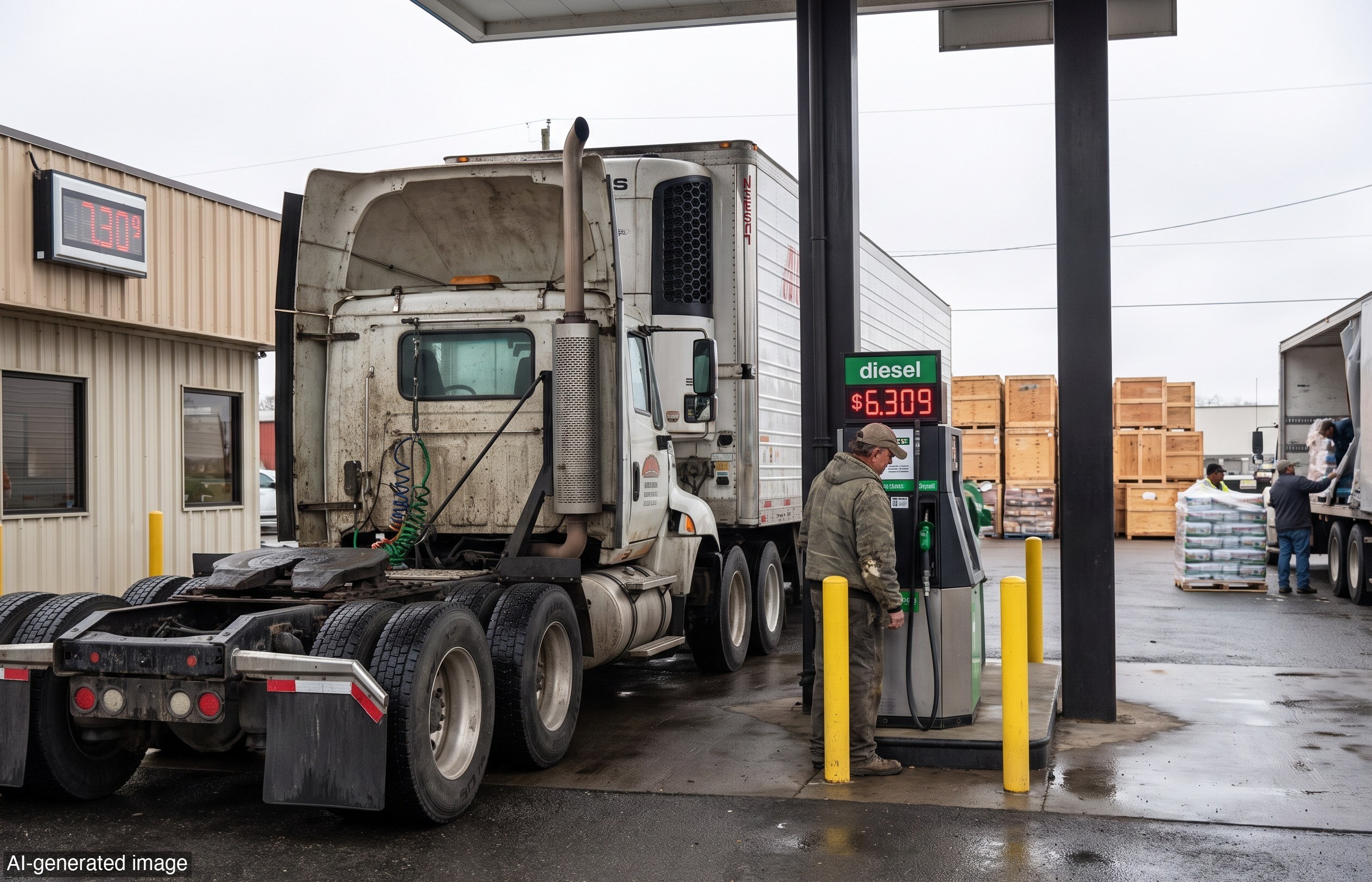
Brent crude sat at $102.56 per barrel at 9:25 a.m. Eastern Time on Sept. 30, 2026, according to Fortune. That was up $2.37 from the prior day's report and roughly $35.87 higher than the same time last year.
The benchmark matters because Brent is used as a reference for much of the world's traded crude and is the one the U.S. Energy Information Administration leans on in its Annual Energy Outlook. Oil prices do not move in a straight line. They react to supply and demand, and they can swing sharply when markets start pricing in economic slowdown, conflict or other shocks.
Fortune noted that crude oil is still the largest single driver of the final pump price, typically accounting for over half of what a gallon costs. Refining, distribution through wholesalers, various taxes and the station's margin are also built into the price drivers that consumers see at the pump.
When crude rises, gasoline tends to follow quickly. When crude falls, gas prices usually come down more slowly, a pattern Fortune described as 'rockets and feathers.' The report also said the Strategic Petroleum Reserve exists to safeguard energy security in disasters, sanctions, severe storm damage or war, and can help ease sudden price jumps when supply is disrupted.
The broader message is simple: expensive oil is not just an energy story. It is a cost story for households, shippers and every business that has to move goods. Higher crude makes it more expensive to heat homes, power transportation and get products from warehouses and farms onto store shelves.
That is why energy policy remains a real economic issue, not a talking point. Fortune said oil prices in the U.S. also move based on how friendly an administration is to drilling, because that affects future supply. In a market like this, more supply usually means more breathing room for consumers and less pressure on margins across the economy.
Capital rewards clear rules, and energy is no exception. When policymakers make drilling and supply more predictable, the market has a better chance to stabilize costs before they reach the taxpayer through higher fuel and shipping prices. When supply gets tighter, the pain shows up at the pump first and in everyday prices soon after.