As of 11 a.m. Eastern Time on Sept. 28, 2026, oil was trading at $104.46 per barrel using Brent as the benchmark. That was $1.71 higher than the prior business day and approximately $37.13 above the level from a year earlier.
The market for oil is driven by supply and demand, and the balance can change fast when economic downturns or war appear on the horizon. Brent is the better global gauge because it prices much of the world’s traded crude, and the U.S. Energy Information Administration uses it as its primary reference in its Annual Energy Outlook.
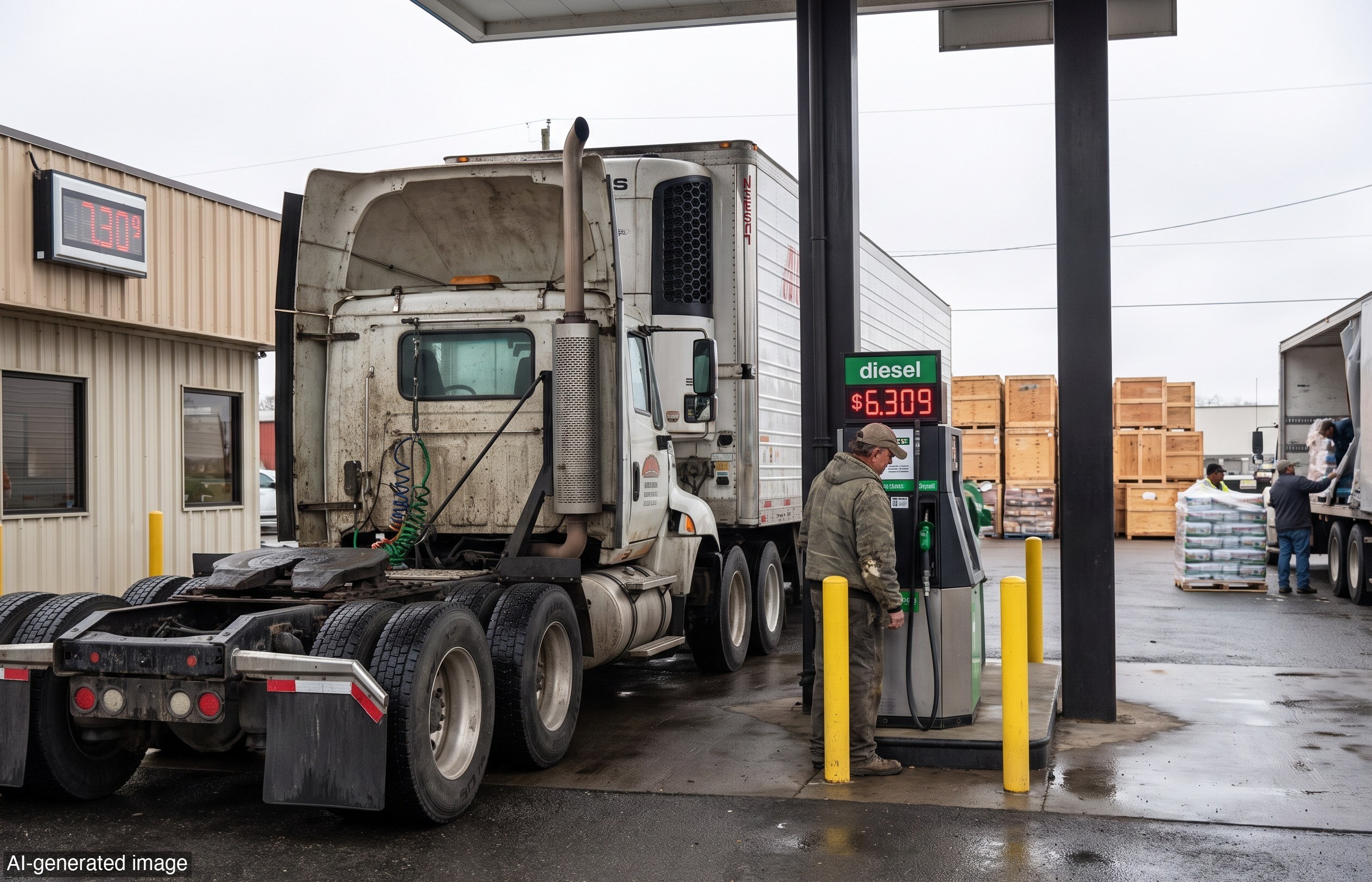
The effect reaches far beyond the futures market. When drivers pay at the pump, they are paying for the crude itself, plus the chain that moves it to market, including refineries, wholesalers, taxes and local gas station markups. Crude oil typically accounts for more than half the price per gallon, which is why spikes in oil usually show up in gasoline prices.
The reverse is slower. When oil prices fall, gas prices often drift down at a lag, a pattern sometimes called 'rockets and feathers.' That gap leaves consumers absorbing higher costs quickly while relief can take time to arrive.
The U.S. also maintains the Strategic Petroleum Reserve, a store of crude oil meant for energy security during disasters such as sanctions, severe storm damage or war. Fortune noted that it can also soften price spikes during supply shocks, though it is not a long-term answer. Its role is immediate relief for consumers and for parts of the economy that depend on stable fuel costs, including key industries, emergency services and public transportation.
Oil does not move in isolation. Natural gas can also be affected when oil prices rise, since some industries may switch fuels where possible, pushing up demand for gas. And because oil is tied to shipping, higher crude prices can ripple into the cost of everyday goods at the grocery store and beyond.
In the U.S., policy still matters. Fortune said oil prices also move based on how friendly an administration is to drilling because that can affect future supply. It pointed to the Trump administration’s move in 2025 to reopen more than 1.5 million acres in the Coastal Plain of the Arctic National Wildlife Refuge for oil and gas leasing, reversing the Biden administration’s policy of limiting oil drilling in the Arctic.
The market has already voted on the lesson here: more supply means less pain for the taxpayer and the consumer. When Washington loosens the grip on drilling and lets capital chase production, prices have a better chance of reflecting scarcity instead of politics. When it does the opposite, the bill shows up at the pump.
That is the larger story behind a single daily price print. Oil is not just a commodity line on a screen; it is a direct input into household budgets, shipping costs and industrial margins. Capital rewards clear rules, and energy markets are no exception.