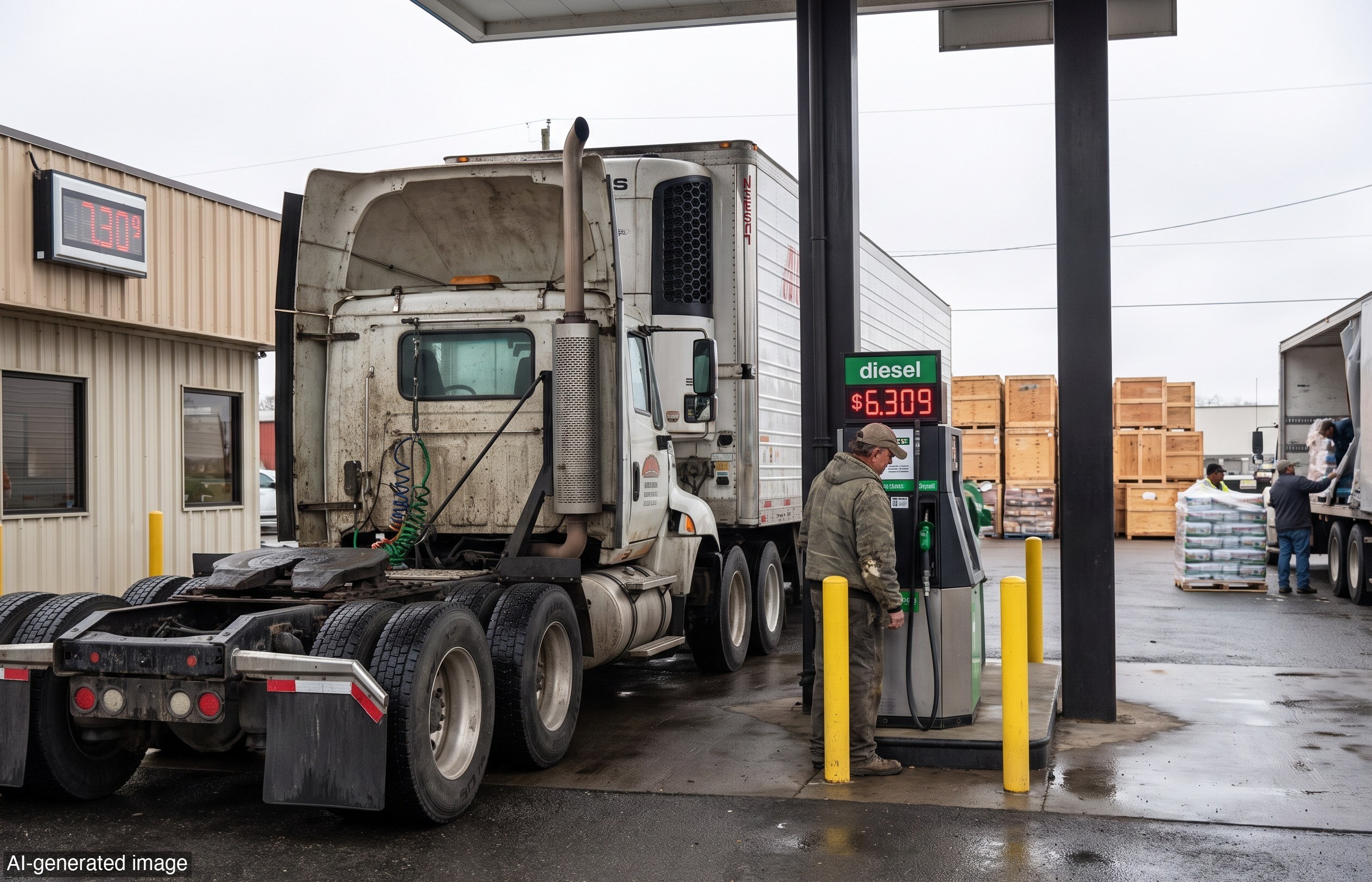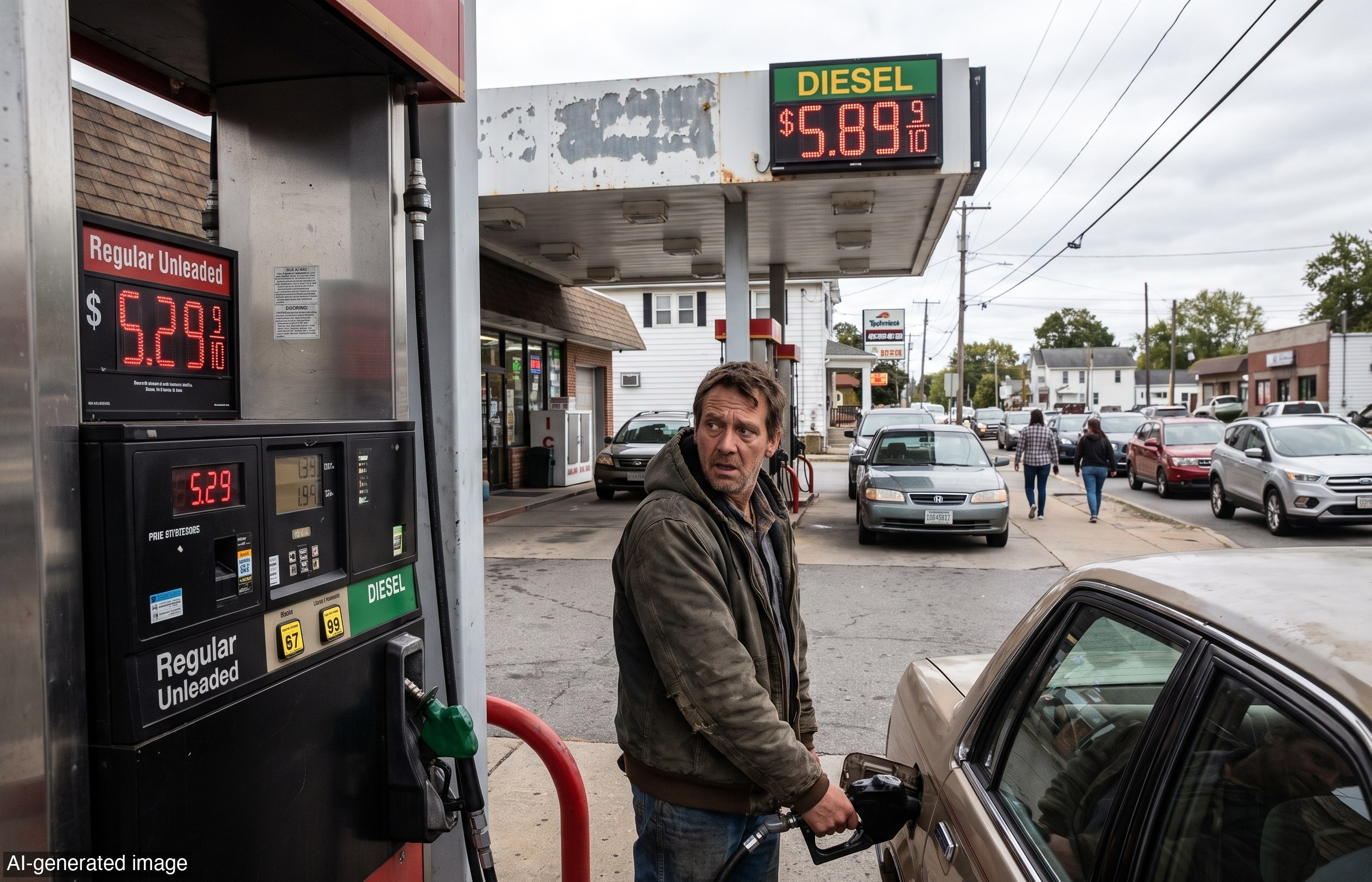
As of 6:45 a.m. Eastern Time on October 12, 2026, oil was trading at $108.04 per barrel using Brent as the benchmark. That was $2.32 higher than the prior morning and about $44.50 above the level from a year earlier.
The price matters because crude oil is a major part of what consumers pay at the pump and throughout the economy. Fortune noted that gasoline prices reflect not only crude oil, but also refineries, wholesalers, taxes and local gas station markups. It also said crude typically accounts for more than half the price per gallon.
Oil prices move with supply and demand, and the piece said the market can shift quickly when threats of economic downturn or war rise. Brent is widely used as the global benchmark because it prices much of the world’s traded crude, and the U.S. Energy Information Administration now uses Brent as its primary reference in its Annual Energy Outlook.
The story also said oil has been volatile over decades, with spikes tied to wars and supply cuts, and crashes tied to recessions and oversupply. In the U.S., prices also move based on how friendly an administration is to drilling, since policy can affect future supply. Fortune pointed to 2025, when the Trump administration moved to reopen more than 1.5 million acres in the Coastal Plain of the Arctic National Wildlife Refuge for oil and gas leasing, reversing the Biden administration’s policy of limiting oil drilling in the Arctic.
The piece said the U.S. maintains the Strategic Petroleum Reserve as a supply shock backstop. Its primary purpose is energy security in case of disaster, including sanctions, severe storm damage and war. Fortune said it can also soften price hikes in the short term, though it is not a long-term answer.
Higher oil does not stay isolated in the energy market. The story said it can push up natural gas demand in some industrial uses, and it can raise the cost of everyday goods by increasing shipping and logistics expenses. When fuel jumps, the taxpayer and the consumer do not get a pass; they pay through the pump, the freight bill and the shelf price.
The market has already voted on the cost of tighter supply. Capital rewards clear rules, but it also punishes policies that choke off drilling, slow logistics or leave consumers exposed to a spike in energy prices. Oil is doing what oil does: sending a blunt signal about scarcity, risk and the cost of keeping the economy moving.