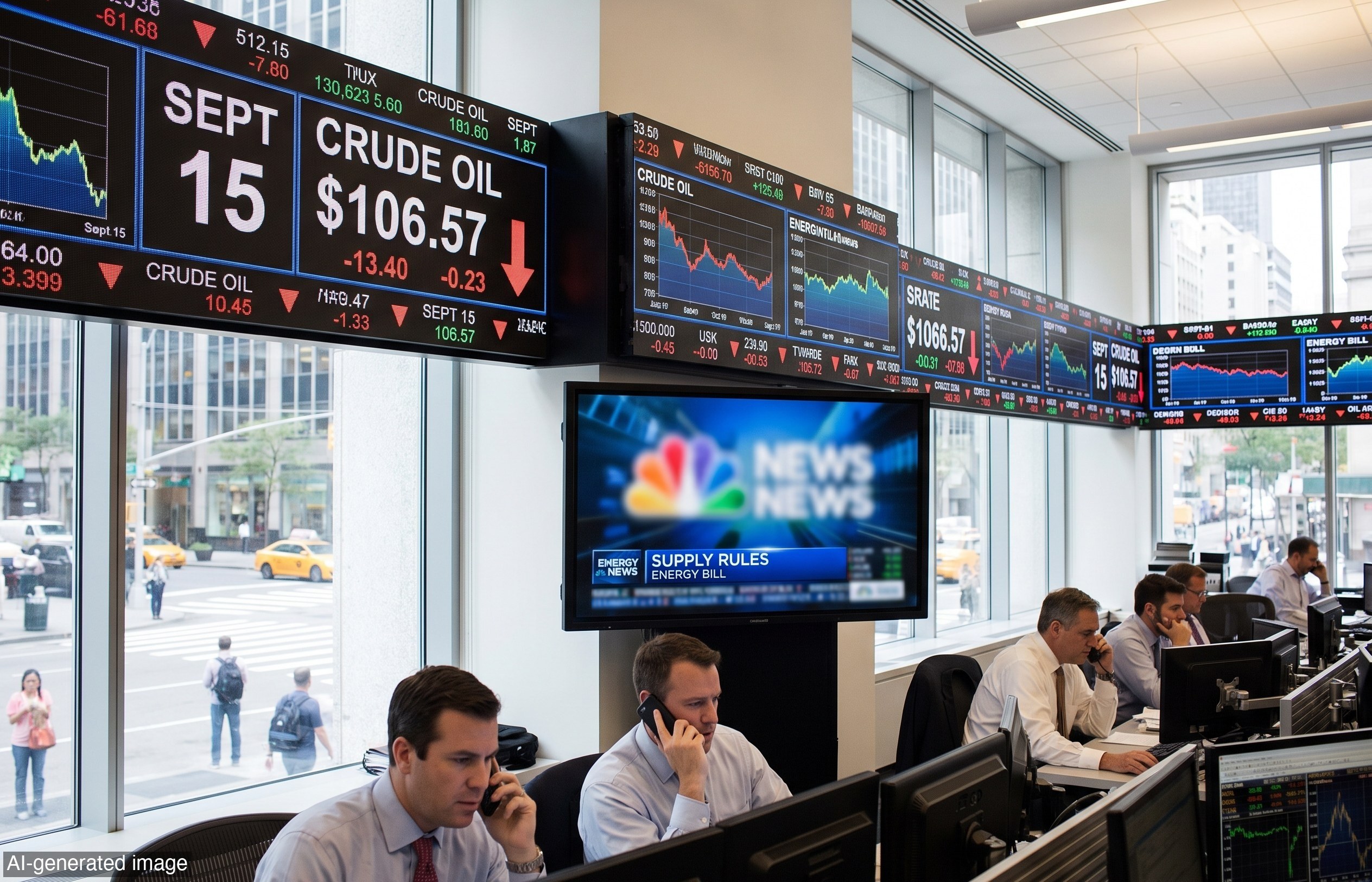
As of 9 a.m. Eastern Time on Sept. 15, 2026, oil was trading at $106.57 per barrel, based on the Brent benchmark.
That price was $3.85 below yesterday morning's level and about $39 higher than where it stood a year ago. Fortune said no one can say for sure where oil prices will go next, because the market is shaped by supply and demand, with risks such as recession or war able to change direction quickly.
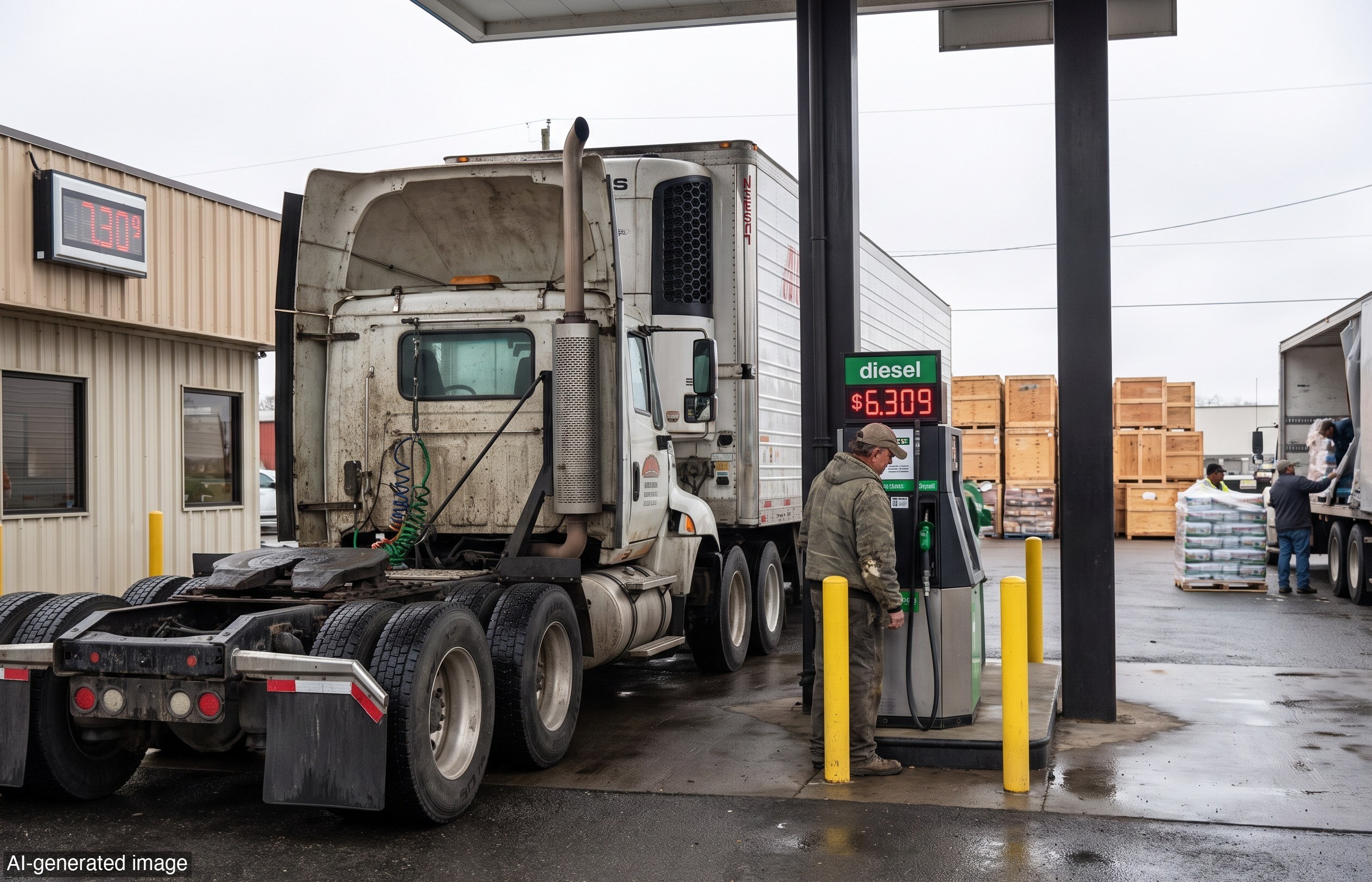
The mechanics matter for consumers. When people buy gas, they are paying for more than crude oil. The bill also includes refineries, wholesalers, taxes, and the markup added by a local gas station.
Even so, crude oil has the biggest influence on what drivers pay, often making up more than half the cost per gallon. When oil prices jump, gas prices usually climb right along with them. When oil falls, gas prices often slip more slowly, a pattern sometimes called 'rockets and feathers'.
Fortune said the U.S. keeps a backup supply of crude oil called the Strategic Petroleum Reserve for emergencies. It is there to protect energy security during crises such as sanctions, catastrophic storm damage, and war. It can also help cushion the blow when supply shocks send prices soaring.
The outlet also noted that oil and natural gas are two of the world's primary energy sources. A big move in oil can affect natural gas as well, since some industries may switch between the two where possible.
For market watchers, Brent remains the key benchmark because it prices a large share of the world's traded crude and is the go-to reference for historical trends. Fortune also said the U.S. Energy Information Administration now relies on Brent as its primary reference in its Annual Energy Outlook.
The deeper story is simple. Energy prices are not just a line item for traders; they ripple into freight, utilities, and the cost of moving goods. When crude is expensive, the taxpayer and the consumer feel it in more places than one.
That is why supply is not an abstract talking point. Capital rewards clear rules and reliable access. It punishes shortages, shocks, and policy uncertainty that make every gallon more expensive than it needs to be.