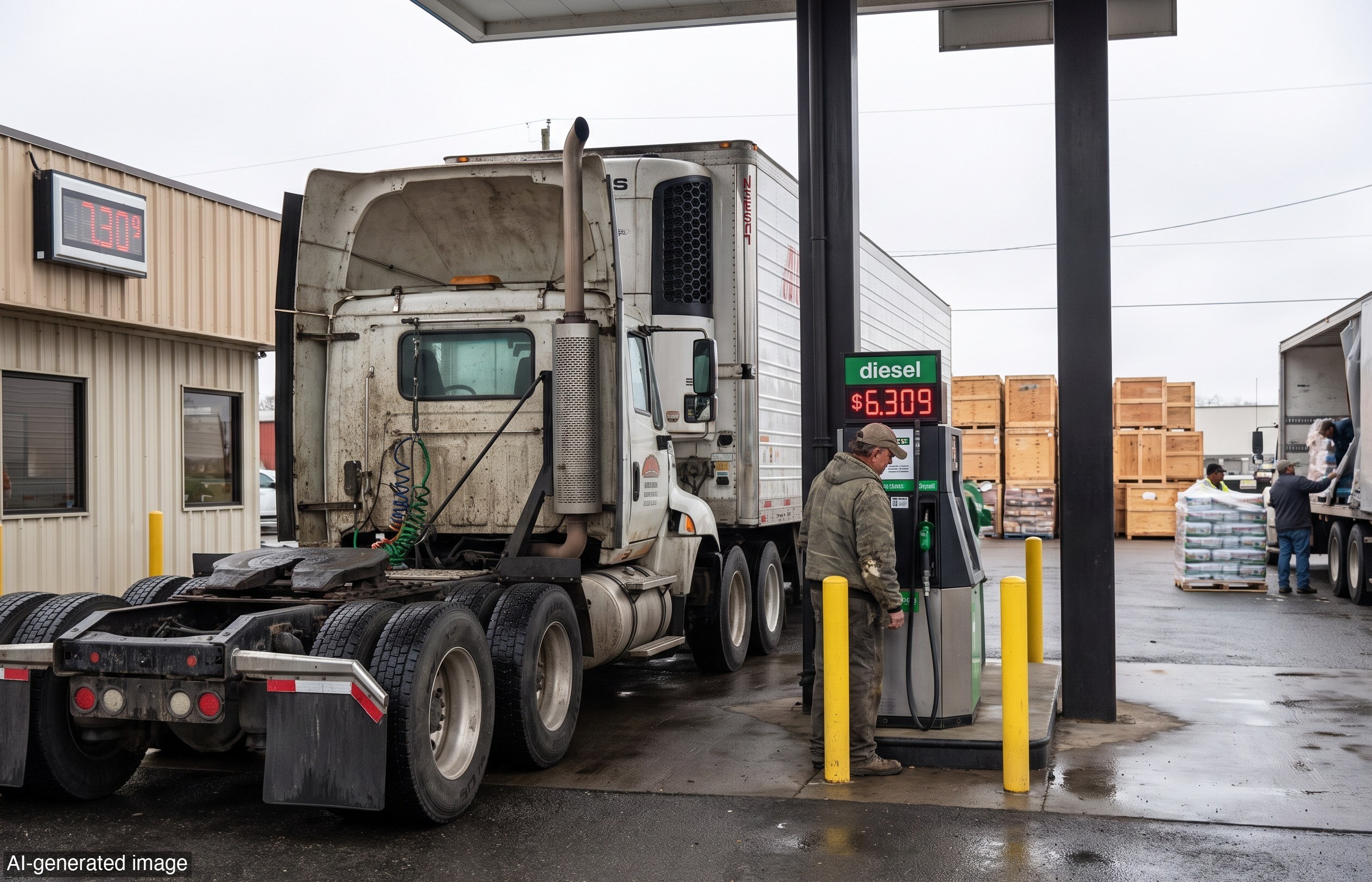
As of 7 a.m. Eastern Time on October 5, 2026, oil sold for $105.81 per barrel using Brent as the benchmark. That was $2.44 higher than yesterday morning and approximately a $40 rise over the past year.
The move matters because crude oil still drives more than half the price of a gallon of gas. When oil rises, gasoline usually follows. When oil falls, the pump often takes longer to catch up, a pattern often called 'rockets and feathers.'
Oil prices do not move in a vacuum. The source material points to supply and demand as the core driver, with geopolitics, war, recessions, OPEC decisions and expectations about future supply all shaping the market. In the U.S., policy toward drilling also matters, because it affects future supply.
The piece notes that in 2025 the Trump administration moved to reopen more than 1.5 million acres in the Coastal Plain of the Arctic National Wildlife Refuge for oil and gas leasing, reversing the Biden administration's policy of limiting oil drilling in the Arctic. That is a direct example of how administrative choices can alter the energy outlook.
The Strategic Petroleum Reserve is described as a federal stockpile of crude oil meant for energy security in disasters, sanctions, severe storms or war. It can also soften sharp price spikes during supply shocks, though it is not a long-term solution.
Brent is the benchmark used here because it better represents global oil performance. The source also says the U.S. Energy Information Administration now uses Brent as its primary reference in its Annual Energy Outlook.
Higher oil prices do not stop at the fuel pump. The source says they can raise costs for heating, utilities, shipping and grocery-store goods, because energy and logistics are embedded in almost everything that moves through the market.
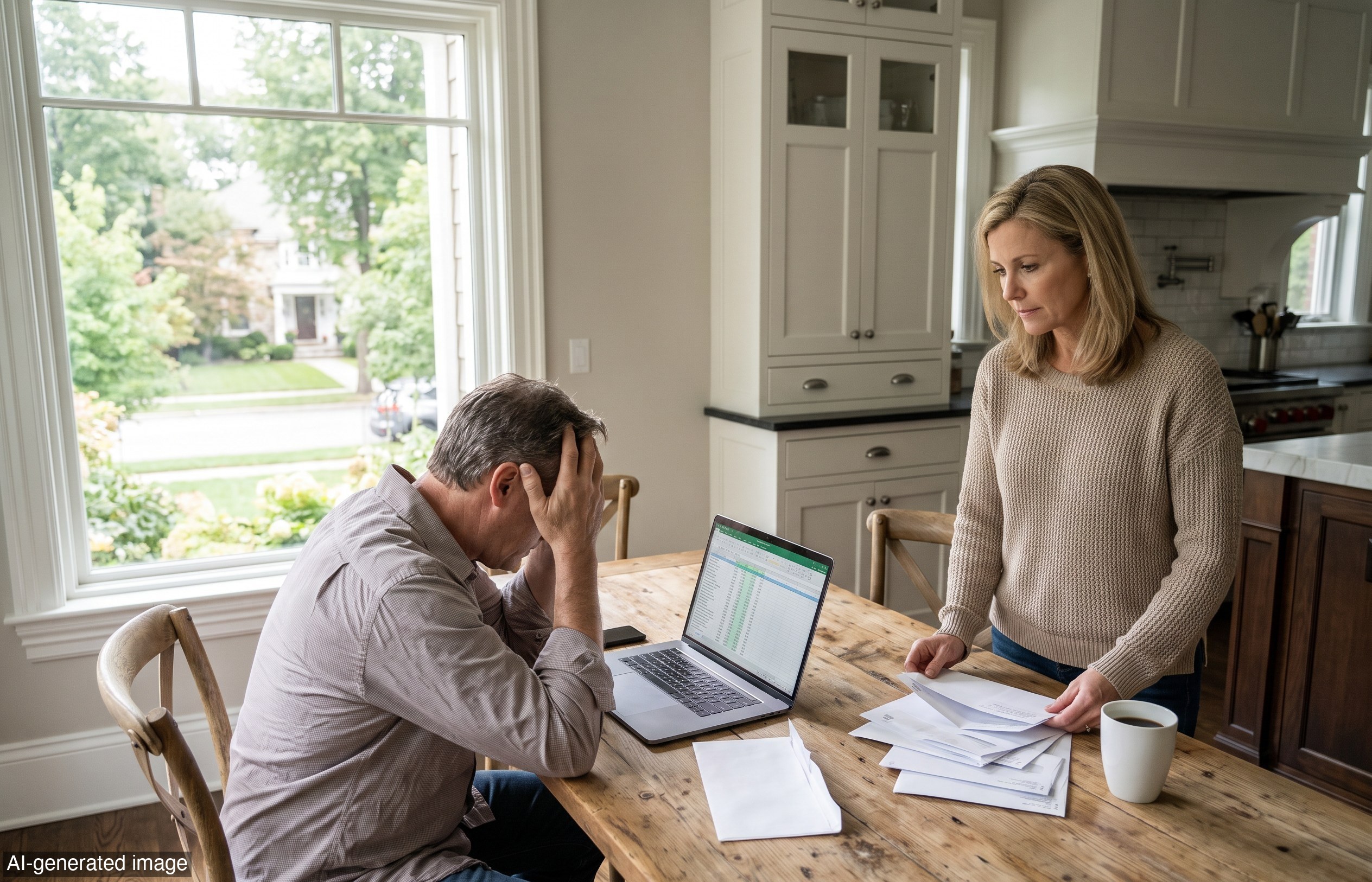
For consumers, that is the real tax on a tight energy market: not just dearer gasoline, but dearer transport, dearer delivery and dearer inputs across the economy. Capital rewards clear rules and adequate supply. When policy squeezes production or leaves markets exposed to shocks, households and small businesses pay first.