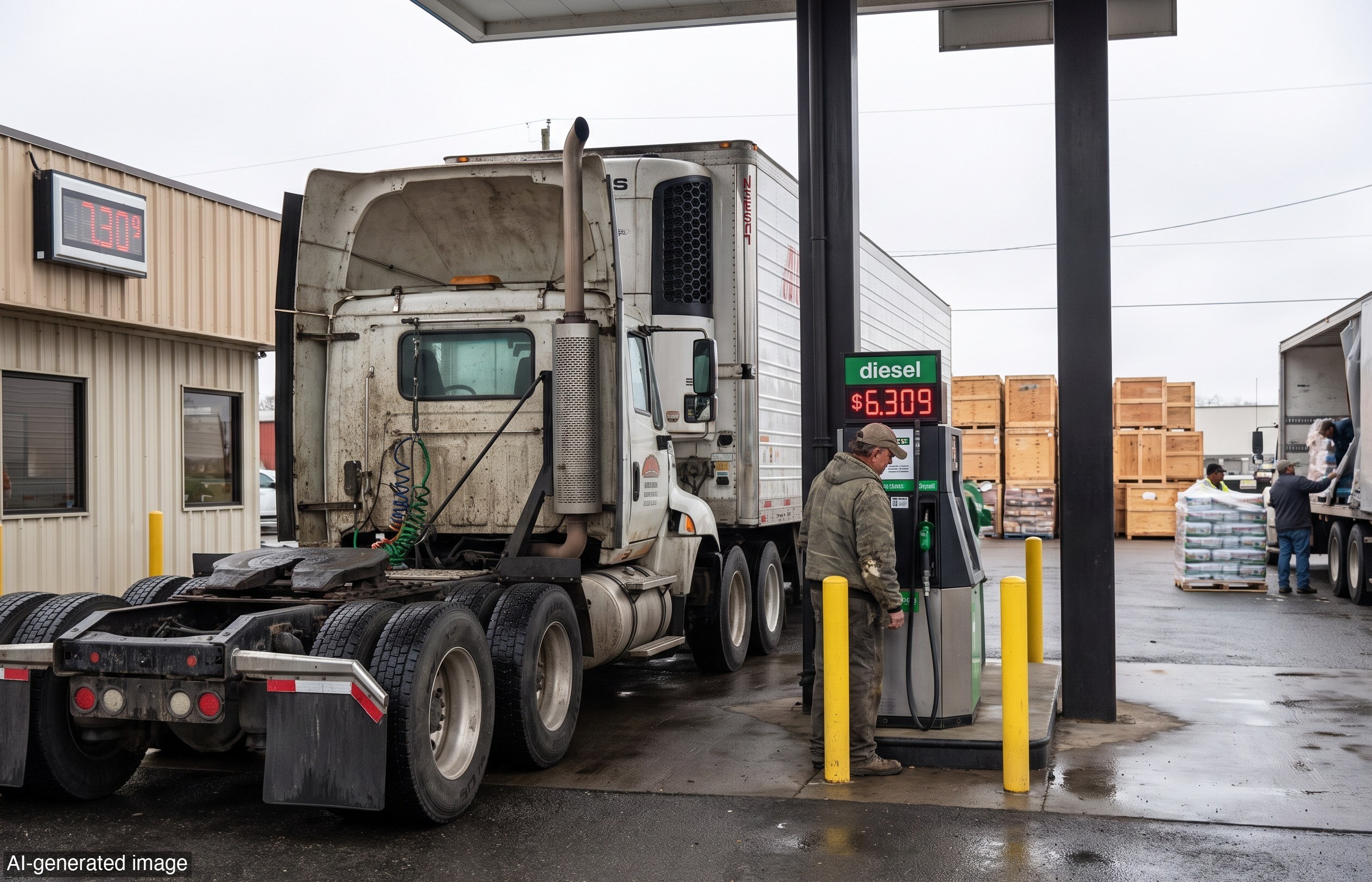
At 6:45 a.m. Eastern Time on October 9, 2026, oil was priced at $105.72 per barrel, with Brent as the benchmark. That was down $2.61 from yesterday morning and about $40 higher than a year ago.
Oil prices are notoriously hard to forecast with precision. Supply and demand drive the market, but recession fears, war, and other large disruptions can move prices quickly. Brent is widely used as the global benchmark because it reflects much of the world's traded crude, and the U.S. Energy Information Administration now uses Brent as its primary reference in its Annual Energy Outlook.
The impact reaches beyond the barrel. Gas prices at the pump include the cost of refining and moving fuel, taxes layered on top, and the markup local stations add to stay in business. Since crude oil makes up a majority of the per-gallon cost, moves in oil usually hit consumers fast on the way up. On the way down, prices often lag, a pattern sometimes described as 'rockets and feathers.'
The article also notes that the Strategic Petroleum Reserve exists as an emergency crude stockpile for energy security in the event of disaster, including sanctions, severe storm damage, or war. It can soften price spikes during supply shocks, but it is not a long-term answer. Its role is temporary relief to help consumers and keep critical parts of the economy running, including key industries, emergency services, and public transportation.
Oil also matters because it can affect natural gas use. When oil prices rise, some industries may switch natural gas into parts of their operations where possible, which can lift demand for gas as well.
There is also a policy angle. The source says U.S. oil prices move based in part on how friendly an administration is to drilling, because that can affect future supply. It cites 2025, when the Trump administration moved to reopen more than 1.5 million acres in the Coastal Plain of the Arctic National Wildlife Refuge for oil and gas leasing, reversing the Biden administration's policy of limiting oil drilling in the Arctic.
For consumers, the message is straightforward: when energy costs stay high, the taxpayer pays at the pump, in shipping, and eventually in the price of everyday goods. Capital rewards abundant supply, clear rules, and a market allowed to work.
The market has already voted. Higher oil is not just an energy story; it is a tax on mobility, logistics, and margins across the real economy.