At 7:15 a.m. Eastern Time on October 7, 2026, Brent crude was $104.74 per barrel.
That is up $3.31 from yesterday morning and roughly $38.60 higher than at the same time last year.
Brent is the benchmark used in the update, and it is described as a better representation of global oil performance because it prices much of the world’s traded crude. The U.S. Energy Information Administration now leans on Brent as its primary reference in its Annual Energy Outlook.
The numbers come first. Crude oil is still the largest single driver of the final gasoline price, typically representing over half of each gallon’s cost. When oil spikes, gas prices tend to rise in short order. When oil falls, gas prices generally ease more slowly, a pattern described as 'rockets and feathers.'
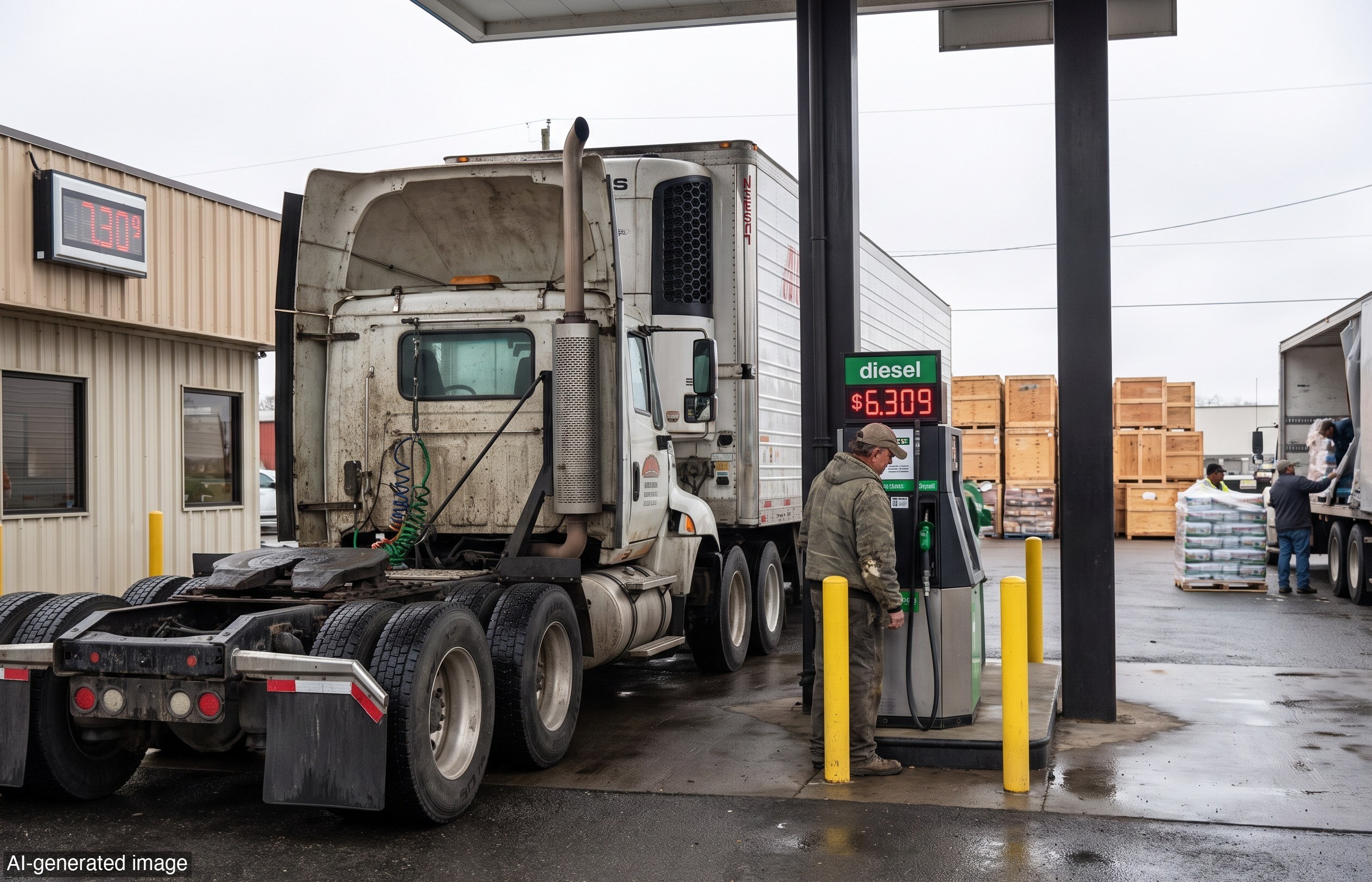
The update also says the pump price reflects more than crude. Refining, wholesale distribution, taxes and the margin charged by a neighborhood station all go into what drivers pay.
Higher oil prices can also raise costs beyond the gas station. The update says expensive oil can make everyday items cost more through energy bills and logistics, including shipping that moves goods from warehouses and farms to store shelves.
Supply and demand remain the main drivers of oil prices, with geopolitics, conflict and fears of economic slowdown able to move the market quickly. The update says prices also react to how friendly an administration is to drilling because policy can affect future supply.
It cites 2025 as an example, when the Trump administration moved to reopen more than 1.5 million acres in the Coastal Plain of the Arctic National Wildlife Refuge for oil and gas leasing, reversing the Biden administration’s policy of limiting oil drilling in the Arctic.
The U.S. also keeps a Strategic Petroleum Reserve of crude oil for emergencies, including sanctions, severe storm damage or war. Its stated purpose is to safeguard energy security and help keep critical parts of the economy operating when supply is disrupted.
Oil has never been a steady asset. The update points to decades of spikes from wars and supply cuts, and crashes tied to recessions and oversupply.
For consumers, the market message is straightforward: energy is still a tax on everything that moves, ships or heats a home. When crude climbs, the cost shows up not only at the pump but across the supply chain. Capital rewards clear rules, and the fastest way to steady prices is to let producers invest, drill and build without unnecessary interference.