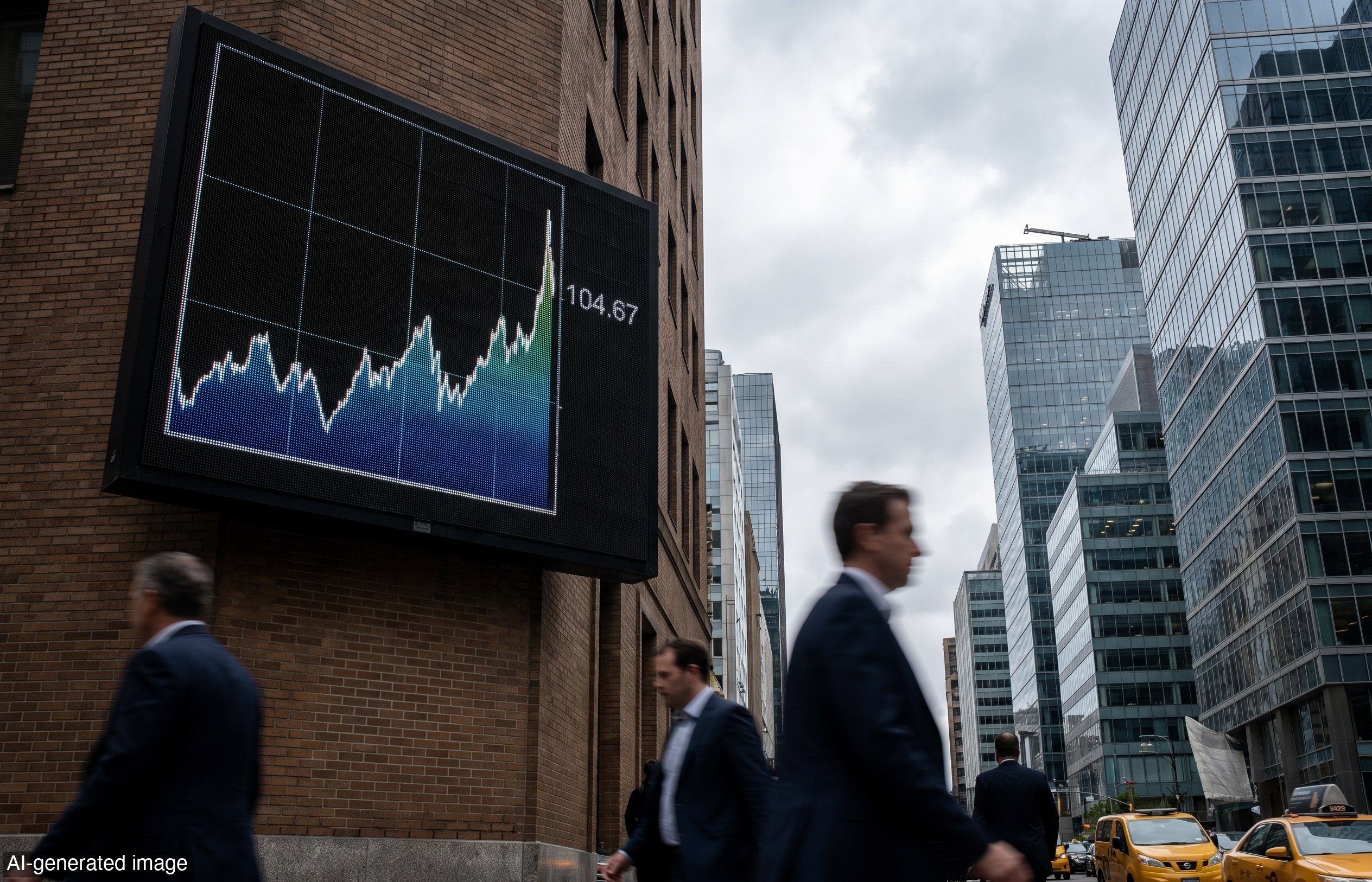
By 10 a.m. Eastern Time on September 24, 2026, oil had reached $104.67 per barrel using the Brent benchmark.
That was $2.64 more than it cost yesterday morning and about $36 above its price a year earlier.
The basic force behind oil remains supply and demand, but the market is also sensitive to recession fears, war and other disruptions. When those risks rise, prices can swing suddenly.
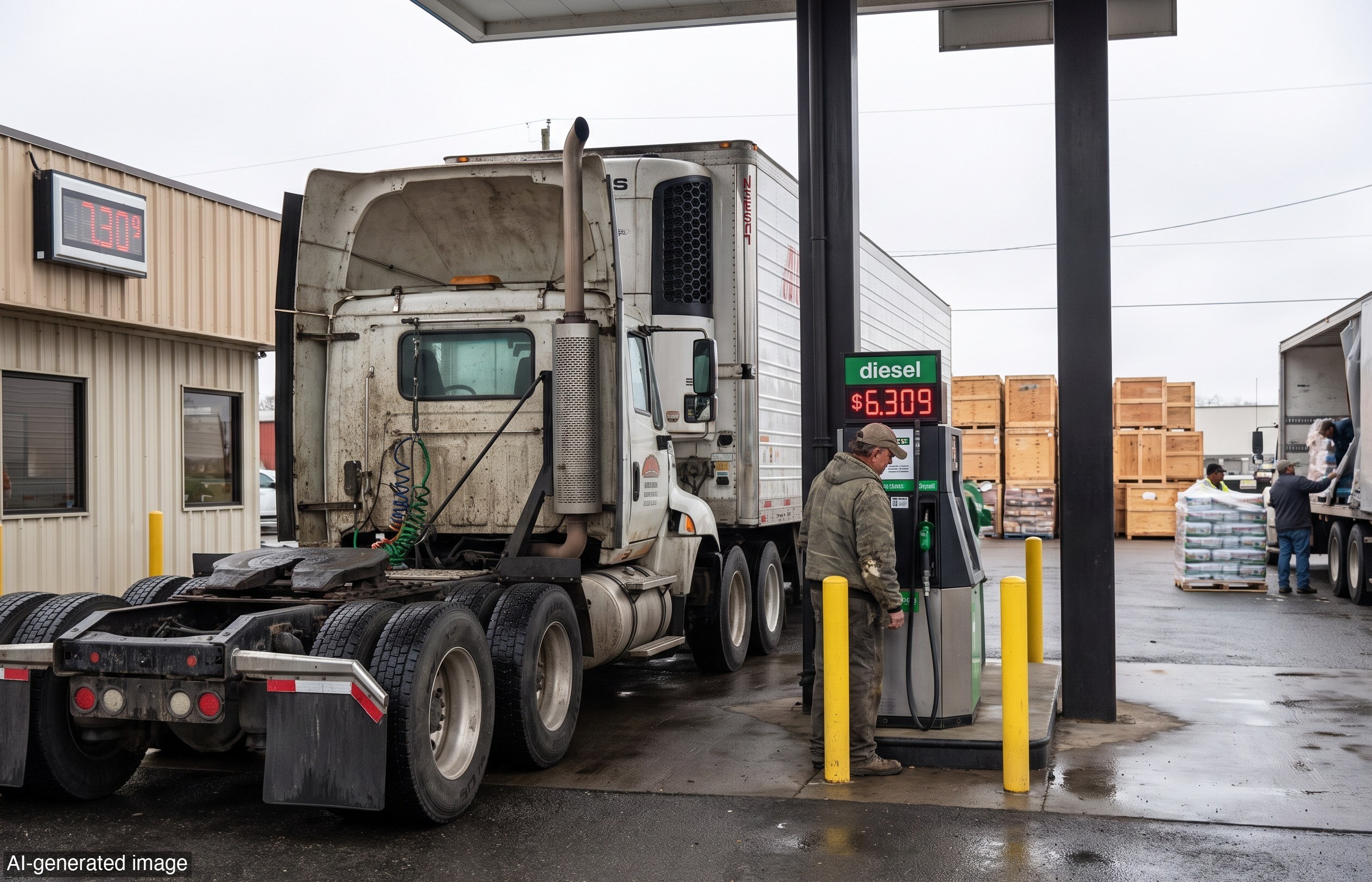
Oil usually matters more than any other input in gasoline pricing because crude often accounts for more than half of what drivers pay per gallon. The rest includes refining, wholesaling, government taxes and station markups.
That is why sharp increases in oil tend to show up quickly at the pump. Declines can be slower to filter through, the familiar 'rockets and feathers' pattern that leaves consumers paying first and waiting later.
The U.S. also keeps a Strategic Petroleum Reserve, a crude stockpile meant to secure energy during disasters like sanctions, severe storm damage or war. It can help blunt brutal price spikes when supply is hit, but it is not a long-term fix.
Oil and natural gas remain two of the main fuels powering the world economy, and a jump in oil can affect natural gas demand as industries substitute where they can.
Brent is also the clearer global gauge because it prices much of the world's traded crude, and the U.S. Energy Information Administration now uses it as its primary reference in its Annual Energy Outlook.
Over multiple decades, Brent has been highly unstable. Wars, supply cuts, recessions, oversupply and OPEC decisions have all pushed it sharply higher or lower.
The market has already voted: energy scarcity is still expensive, and the consumer is the one left to absorb the bill. When oil rises this fast, every sector that relies on shipping, heating or transport feels the pressure, from the gas station to the grocery aisle.
Capital rewards clear rules, and energy markets are no exception. The more predictable the supply outlook, the less leverage disruptions have over households and businesses. When policy discourages drilling or cuts off future supply, the taxpayer and the consumer end up paying for the uncertainty.