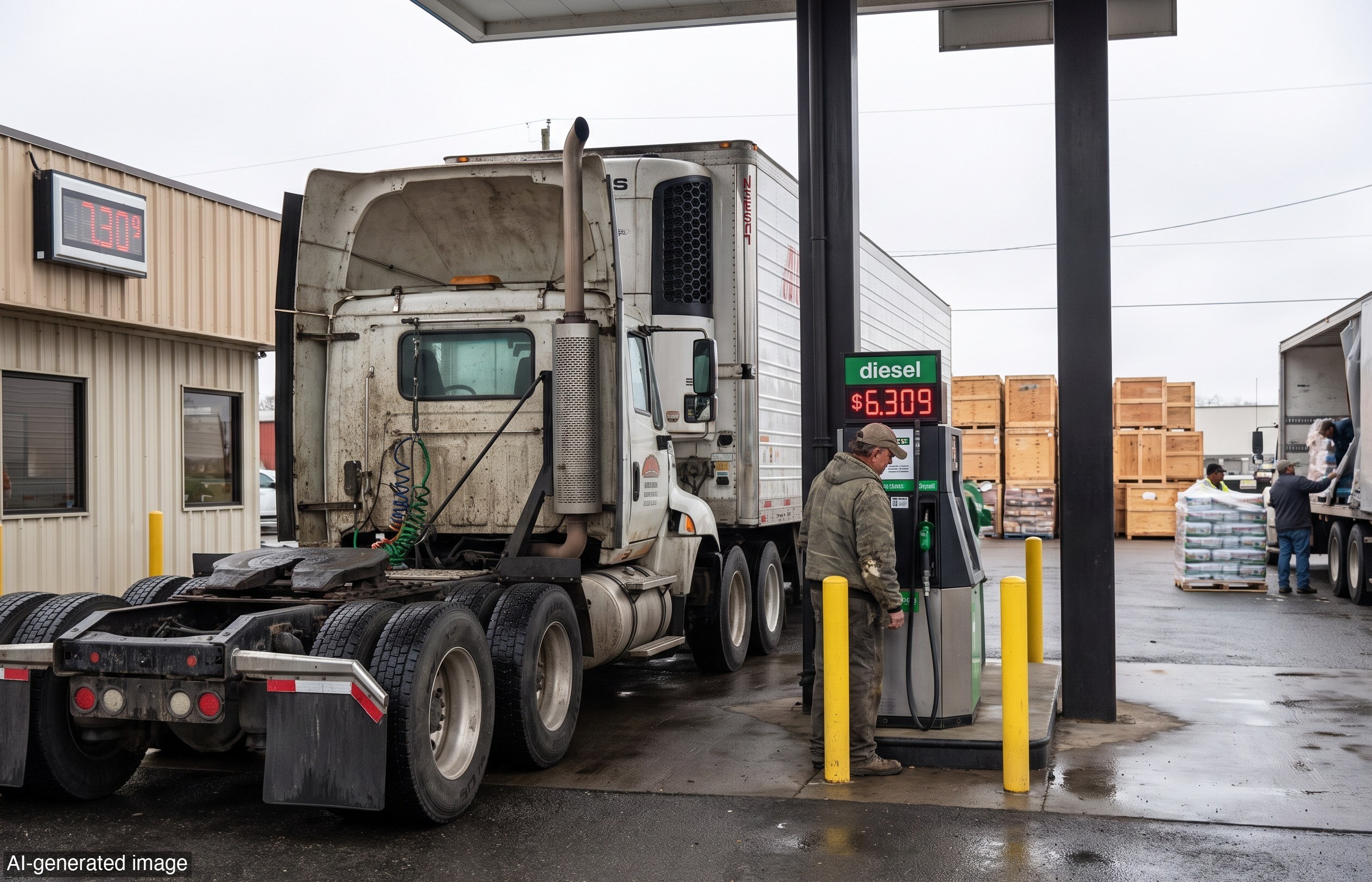
By 8 a.m. Eastern on September 17, oil had reached $103.98 per barrel using the Brent benchmark. That was $4.36 less than it cost yesterday morning and about $36 above its price a year earlier.
The numbers come first: crude oil remains one of the biggest drivers of what Americans pay at the pump. Each gallon includes crude, refining, wholesaler costs, government taxes and the markup set by gas stations. Because crude oil usually accounts for more than half of the price per gallon, sharp moves in oil usually show up quickly in fuel prices.
The drop in oil does not always reach consumers as fast as the rise. Fortune described the pattern as the 'rockets and feathers' effect: increases hit the pump quickly, while declines tend to filter through more slowly.
Oil prices are also shaped by more than just daily trading. Fortune pointed to supply and demand, recession fears, war, major disruptions and OPEC+ decisions as major forces behind the market. The outlet also noted that in the U.S., prices move based on how friendly an administration is to drilling because policy affects future supply.
That policy channel matters because Washington can either encourage more production or hold it back. Fortune cited 2025 as the year the Trump administration moved to reopen more than 1.5 million acres in the Coastal Plain of the Arctic National Wildlife Refuge for oil and gas leasing, reversing the Biden administration's policy of limiting oil drilling in the Arctic.
Fortune also said the Strategic Petroleum Reserve can help during emergencies such as sanctions, severe storm damage or war. Its role is temporary, not permanent: it is meant to take the edge off brutal price spikes and keep crucial sectors of the economy running.
Oil's reach goes beyond gasoline. When crude rises, shipping gets more expensive, and that can ripple into grocery prices and other everyday goods. Fortune also noted that higher oil prices can affect natural gas demand if industries substitute one fuel for another where possible.
Brent remains the key global benchmark because it prices much of the world's traded crude, and the U.S. Energy Information Administration uses it as its primary reference in its Annual Energy Outlook. The benchmark has never been a calm asset; Fortune said it has been driven sharply higher by wars and supply cuts, and lower by recessions and oversupply.
For consumers, the lesson is straightforward: energy prices remain a tax on mobility, logistics and margins. When crude moves, the market has already voted on who pays first. The taxpayer and the driver do not get a delay. They get the bill.
Capital rewards clear rules and reliable supply. When policy clouds drilling and production, scarcity does the rest, and households feel it in the grocery aisle as much as at the pump.