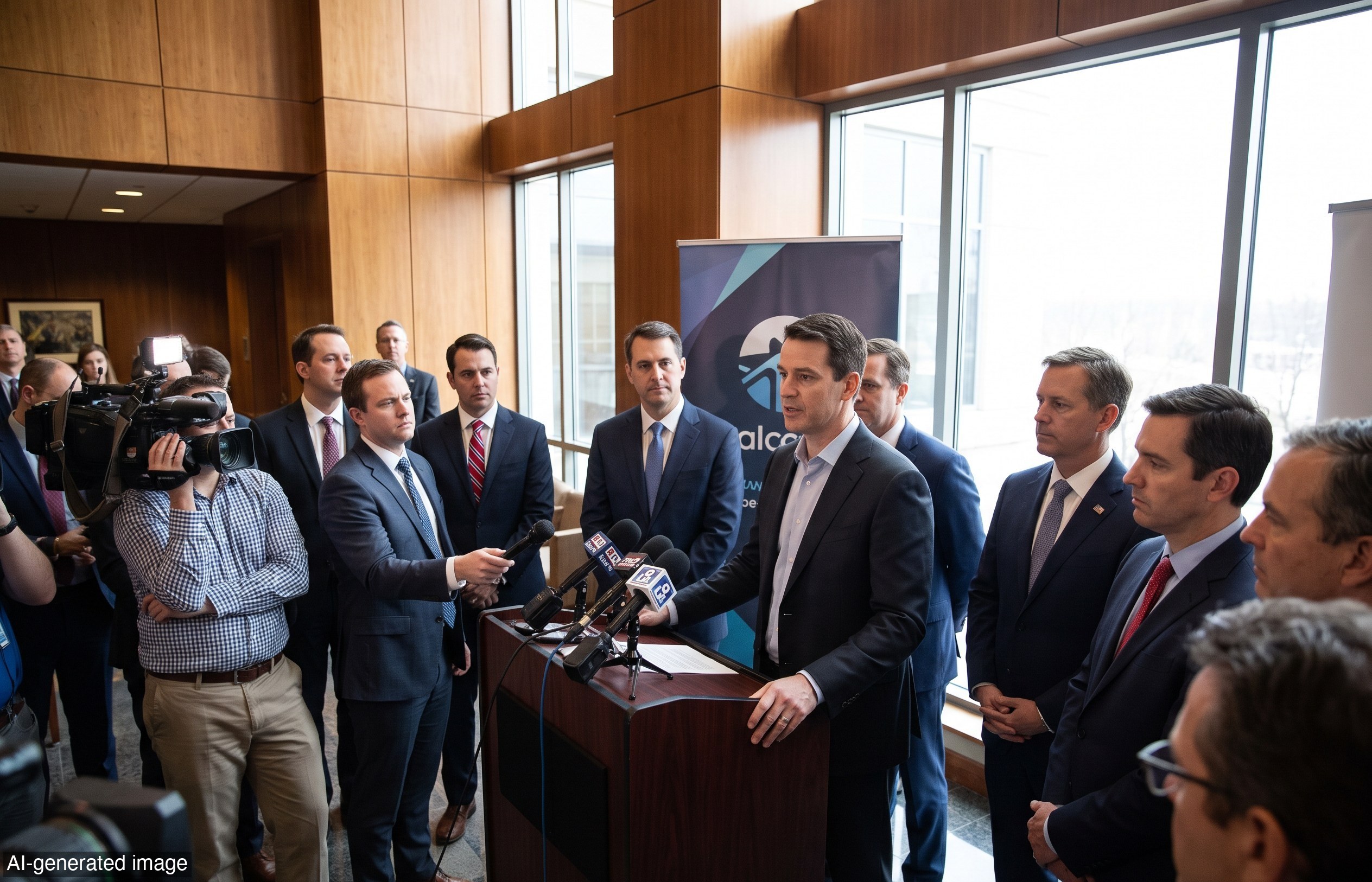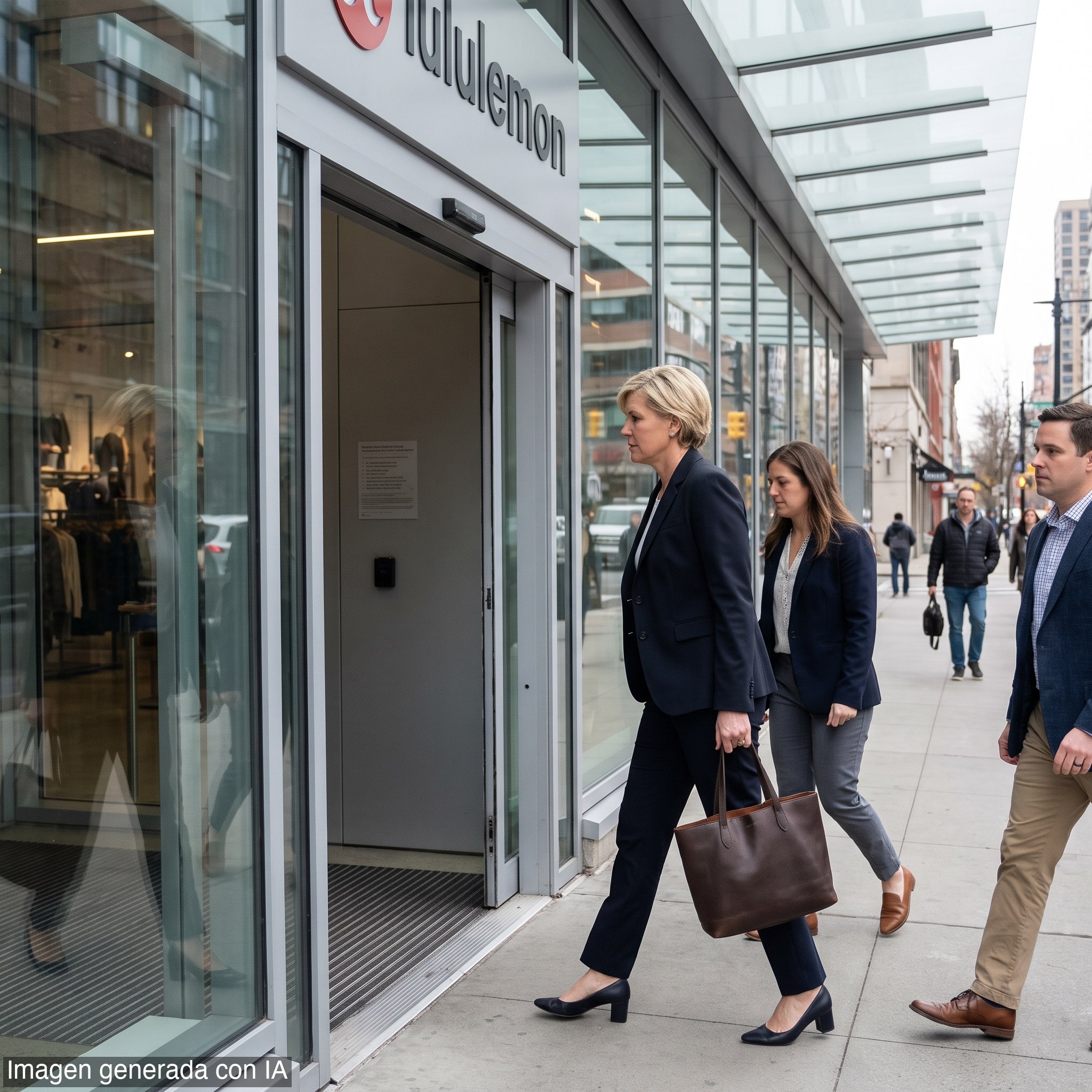
Lululemon Athletica’s new chief executive, Heidi O'Neill, took the helm on Sept. 8, 2026, after the company disclosed another difficult quarter and a fresh warning on its outlook. North America comparable sales fell 12% last quarter, and the company cut its full-year outlook for the second time in three months.
The company had already been under pressure when Lululemon announced in April that O'Neill, a former Nike senior executive, would become CEO. Since then, the deterioration has accelerated. Lululemon said sales of leggings, its bread-and-butter category, plunged last quarter. Analysts were stunned by the decline, and BNP Paribas analyst Laurent Vasilescu said, 'We did a double take when Lulu called out that leggings were down 20%.'
Leggings are estimated to generate approximately one-third of Lululemon revenue and are its highest-margin products. That makes the drop especially important. At the same time, sales in China fell for the second quarter in a row after rising by double-digit percentages as recently as the spring.
O'Neill said in a memo to staff published on her first day as CEO, 'I truly believe that we have an incredible opportunity in front of us: to re-establish who we are at our core and, from that foundation, take Lululemon into its next chapter.' She also said, 'That starts with product. Product that is innovative and distinctive, and that gives our guests a reason to choose us, love us, and root for us—again.'
Jefferies analyst Randal Konik wrote that 'Incoming CEO O'Neill has a mountain to climb.' The company had been run on an interim basis by two C-suite executives since late January.
The market pressures are not limited to one quarter. Reuters, citing data from M Science, reported that Lululemon’s market share fell 10 percentage points to 43.9% in August, while Alo and Vuori gained 5.9 and 2.2 percentage points, respectively. Lululemon’s revenue rose sixfold between 2013 and 2025, when it hit $11 billion, but the company also moved into footwear, parkas, and skirts as it tried to keep growing.
That expansion brought Lululemon into direct competition with larger apparel and running-shoe makers and pulled attention away from its core value proposition: innovative, technical activewear. Many items later ended up in discount bins, something that had been unheard of during the brand’s rise as a premium label.
O'Neill will now have to prove that she can do what large consumer brands often struggle to do after rapid growth: prune the assortment, focus on the best-selling products, and restore margins through better execution. She spent 27 years at Nike, which also faces problems tied to innovation and product focus.
For investors, the message is simple. Capital rewards clear rules, not brand drift. A company that loses discipline in its core offering eventually pays for it in sales, margins, and market share. Lululemon’s new CEO inherits a turnaround, but the real test will be whether the company returns to product, focus, and free enterprise basics before the damage gets worse.