The numbers come first: technology can help people learn vocabulary and grammar, but language experts say proficiency still requires human interaction.
That distinction sits at the center of a growing AI market for language learning. In Fortune’s account, Todd Hughes, who trains language tutors at Rosetta Stone, said fluency is about flow, while proficiency is about what someone can actually do across reading, writing, listening, and speaking. He described the difference as one between sounding fluent and actually becoming proficient.
Hughes said native speakers pause and stumble too, which is why smooth delivery is an imperfect test of language ability. His own experience shows the divide: he describes his Spanish as near-native, says he understands and reads French extremely well but makes mistakes speaking it, and says Danish is easier to read than to listen to or pronounce.
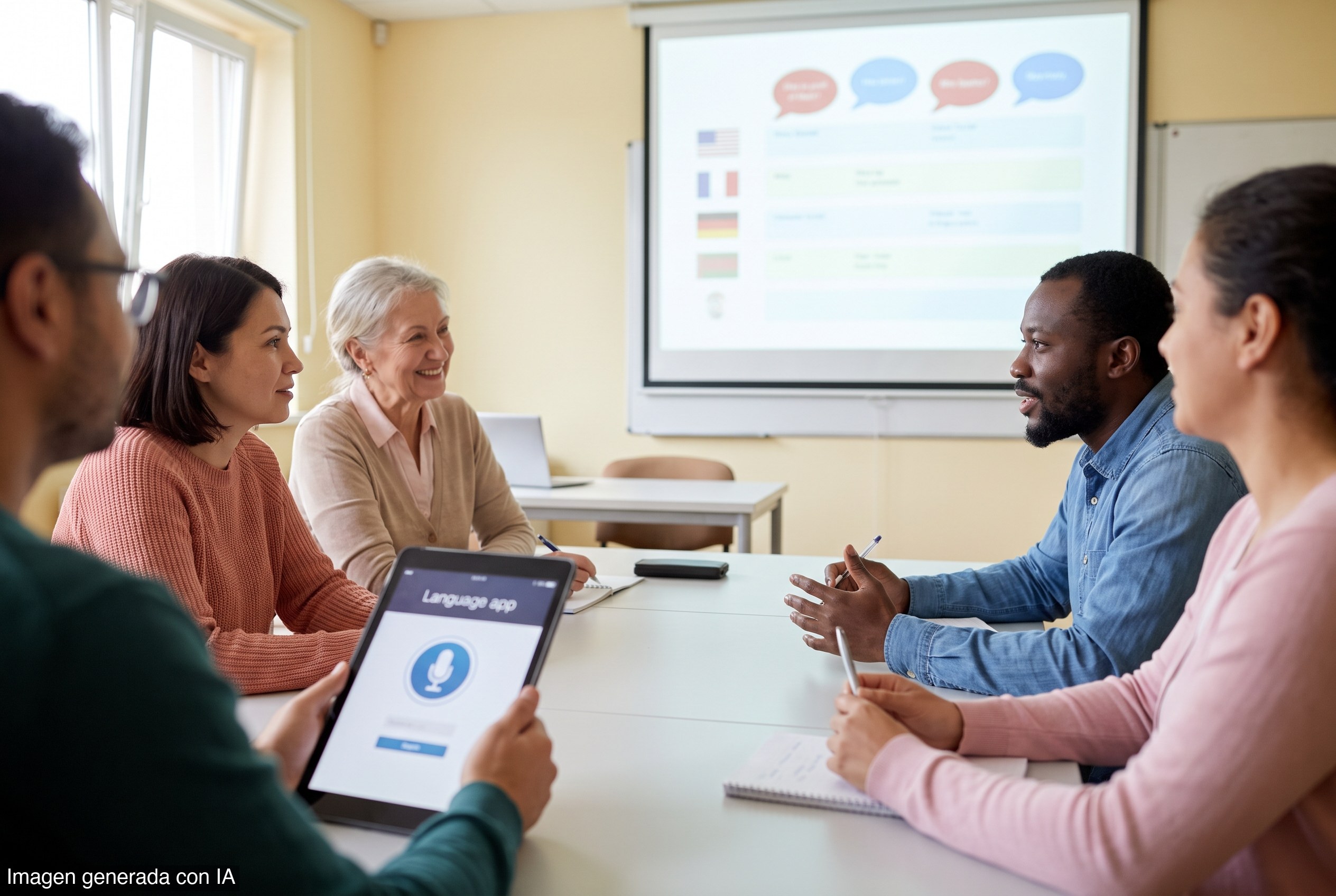
Technology can still do a lot. AI can generate practice exercises, correct writing, and create reading material at a learner’s level. Apple says its Live Translation feature for AirPods can help someone understand a conversation in real time. Hughes called AI a 'huge library' that never closes, because it can produce beginner-level material on demand and reduce the friction of finding useful content.
But he was less convinced when it comes to speaking practice. Duolingo’s Cem Kansu told Fortune that real-time translation can help users understand someone in the moment, but it cannot replace the connection, cultural understanding, and personal satisfaction that come from learning and speaking a language yourself.
Duolingo also said many people learn English for high-stakes reasons, including better jobs or higher education. Even when a translation is accurate, it still does not prove proficiency. It may relay words in one exchange, but it does not show whether the learner can continue the conversation, ask follow-up questions, or adjust when tone and wording change.
The broader point is simple: software can lower the barriers, but it cannot abolish the work. AI can help people sound ready. It cannot fully replace the human friction that turns memorized phrases into real competence.
For free enterprise, that is the useful lesson. Technology is already improving productivity in language learning, and companies will keep selling tools that save time. But there is still a hard limit to automation, and it is one that matters in every market: some skills are built through interaction, not just information. Capital can scale an app. It cannot yet replicate the full discipline of a real conversation.