The numbers came in, and they did not lie.
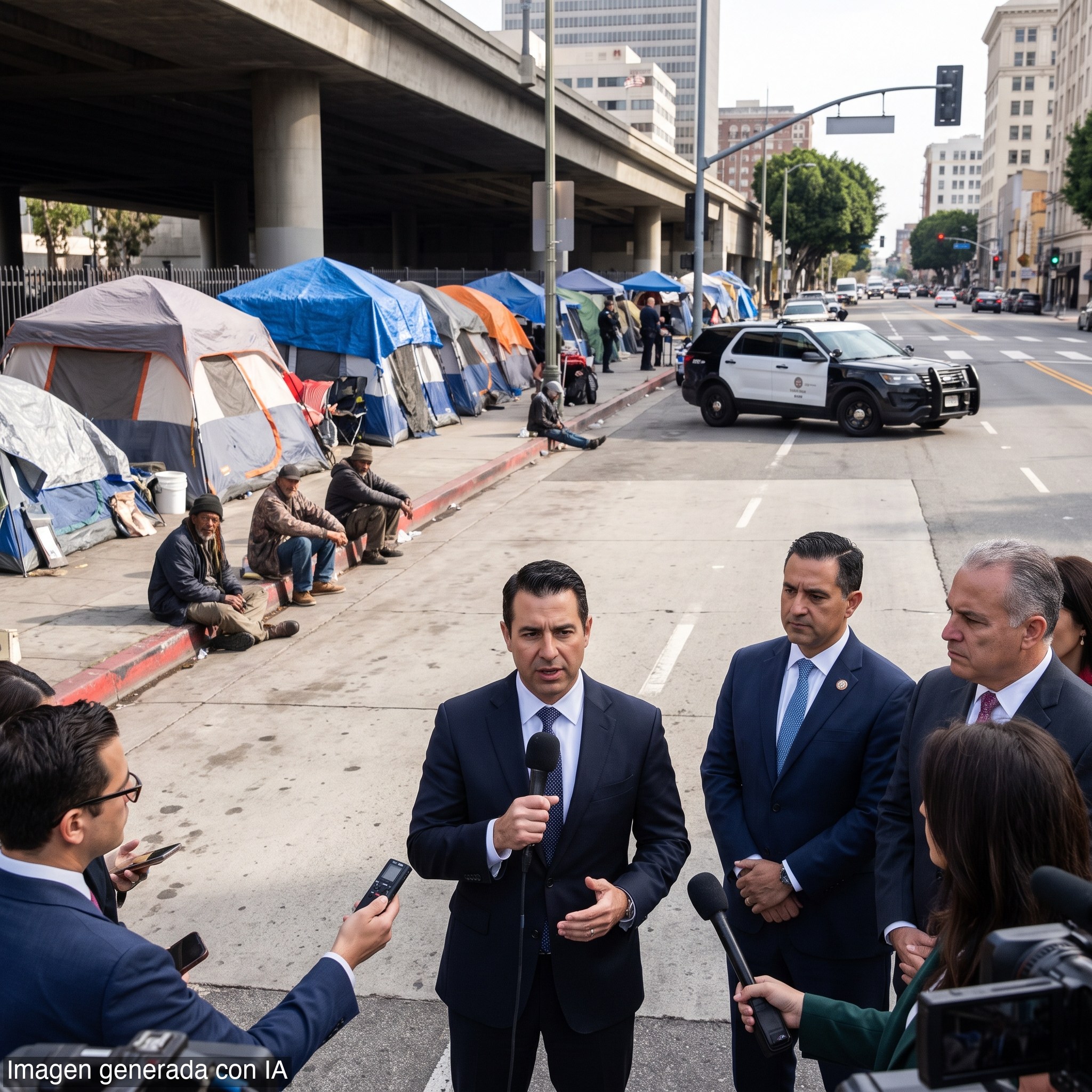
The Los Angeles Homeless Services Authority released its 2026 homeless count on Friday, reporting a 3.4% rise in the city's homeless population since 2025. The 'unsheltered' figure — people living on streets or in vehicles — climbed 7.9%. LA County, by comparison, recorded a 1.2% rise in homelessness and a 3.3% increase in its unsheltered population. The city fared measurably worse than the county on every metric.
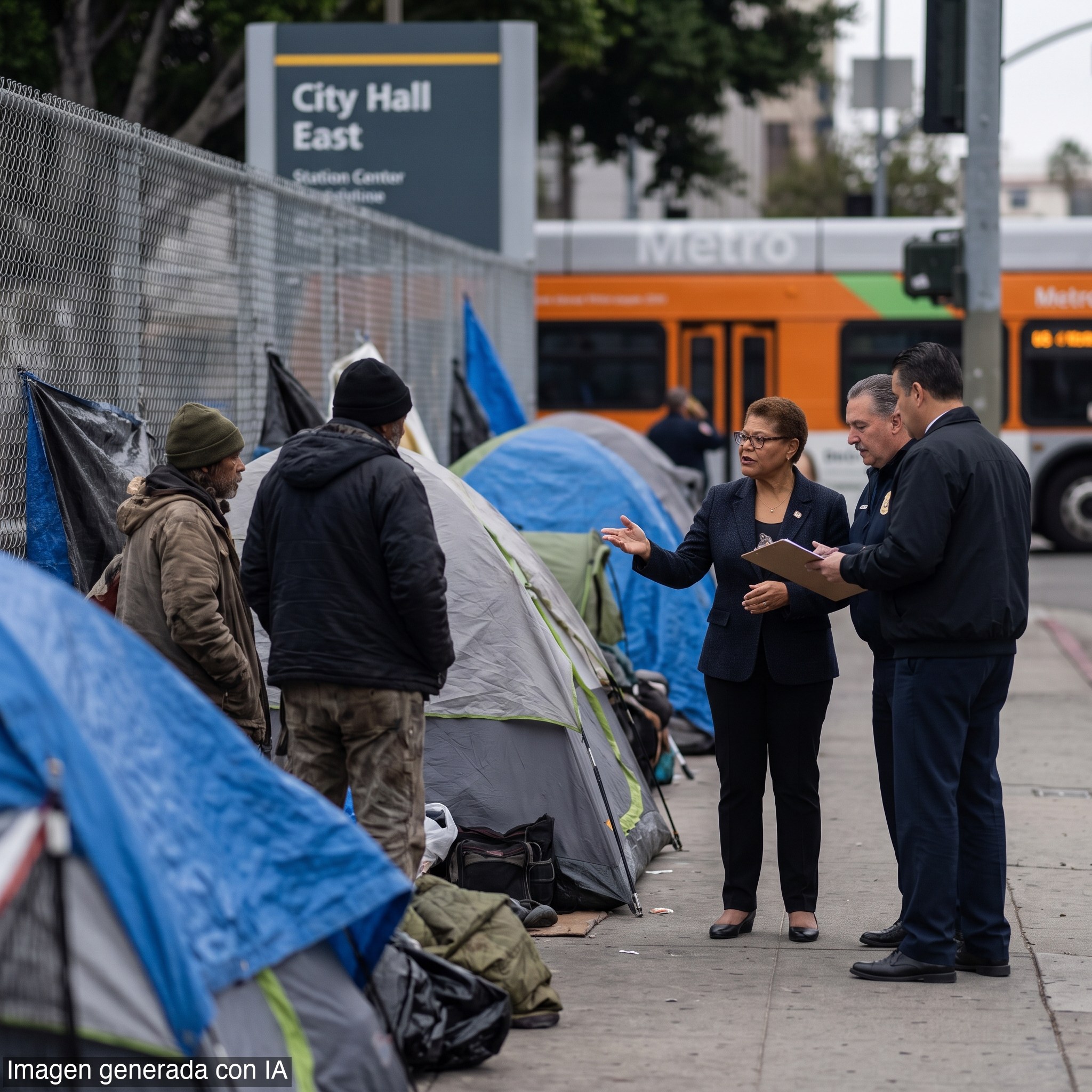
That is a direct problem for Mayor Karen Bass, whose reelection campaign rested on a specific claim. Her campaign website stated: 'In the three years of the Bass Administration, LA has achieved its first-ever back-to-back decreases in homelessness.' During a televised mayoral debate, Bass declared: 'Los Angeles, we have been doing it for the last three years, and it's the first time homelessness has gone down.'
The 2026 count contradicts both statements.
Bass's office responded by pointing outward. 'The Trump Administration has driven up the cost of gas, groceries, and rent — pushing more families to the edge — and slashed critical safety net funding,' her office said in a statement Thursday.
The city and LA County together spend roughly $3 billion per year on homelessness. That figure has not translated into the sustained progress Bass claimed. Critics have long argued that the city's 'housing first' approach — prioritizing permanent housing placements over enforcement of anti-encampment ordinances or treatment of substance abuse and mental illness — has failed to address the underlying drivers of street homelessness. LAHSA itself has faced scrutiny over financial oversight and accountability.
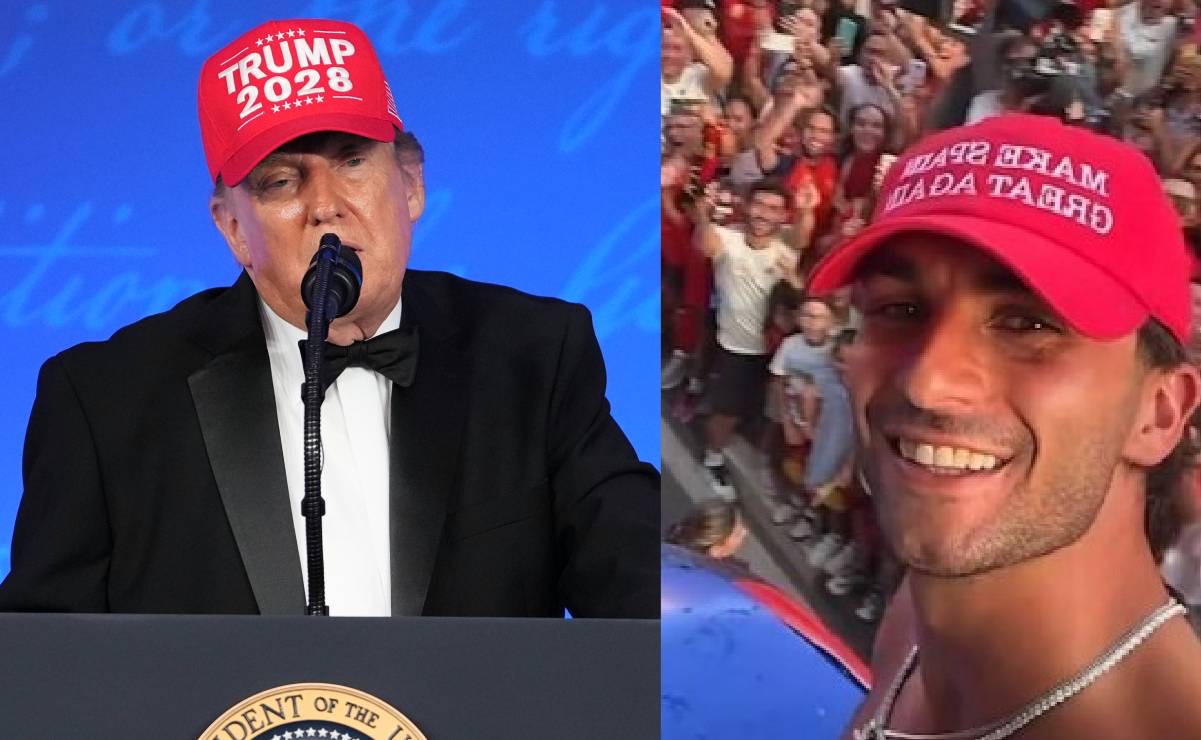
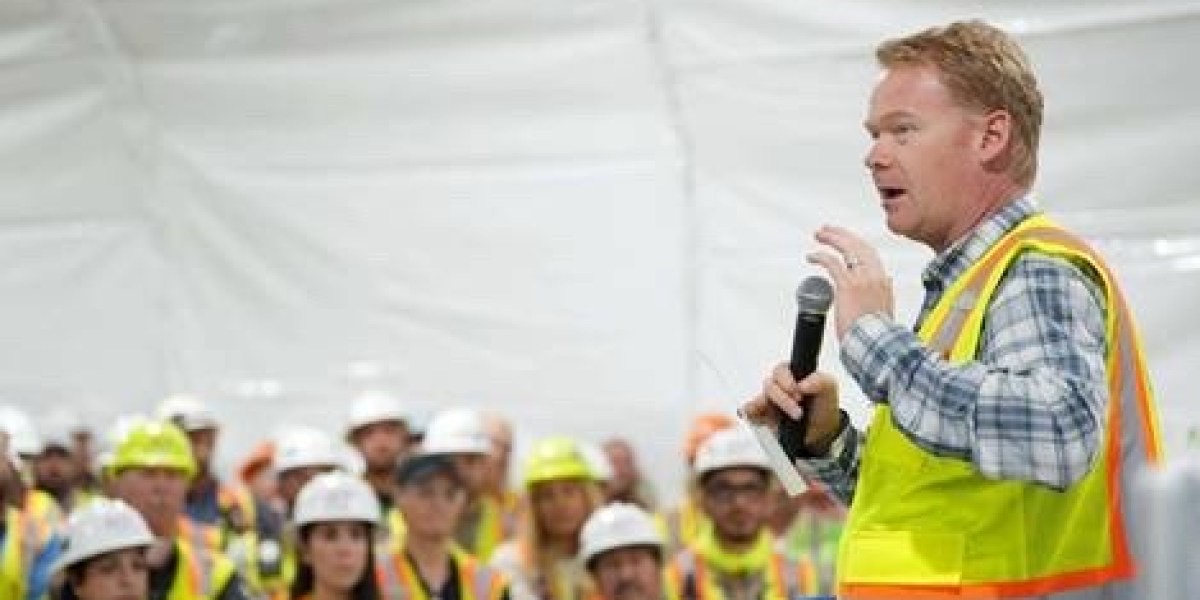
The political fallout is complicated by the structure of the general election. Bass's opponent is City Council member Nithya Raman, a self-described socialist who chairs the council's homelessness committee. Challenger Spencer Pratt, who lost his family home in the Palisades Fire and made homelessness the centerpiece of his campaign, finished third after late ballots placed Raman ahead of him. Pratt said of his two rivals: 'This is an absolute failure for both of them. They're a team.'
The timing of the count's release has drawn attention. The 2026 figure arrived after the June 2 primary. According to the New York Post's analysis, had the data been available before the primary, Pratt might have qualified for the general election. The Post noted, however, that the count 'has typically been delivered in late July' and that there is no evidence it was delayed for political purposes.
California's jungle primary system leaves no write-in option in the general election.
CEO Times take: Three billion dollars a year is not a rounding error — it is a policy verdict. When that level of taxpayer spending produces a 7.9% rise in people sleeping on streets, the program has failed, and the officials who designed and defended it own that failure. Free enterprise and limited government are not just ideological preferences; they are the corrective mechanism that forces accountability. Bureaucracies answering to no market signal and facing no electoral consequence can absorb billions and deliver nothing. LA voters are now asked to choose between the architect of that failure and a council member who presided over it. The market has already voted. The ballot box, in November, may not offer the same clarity.