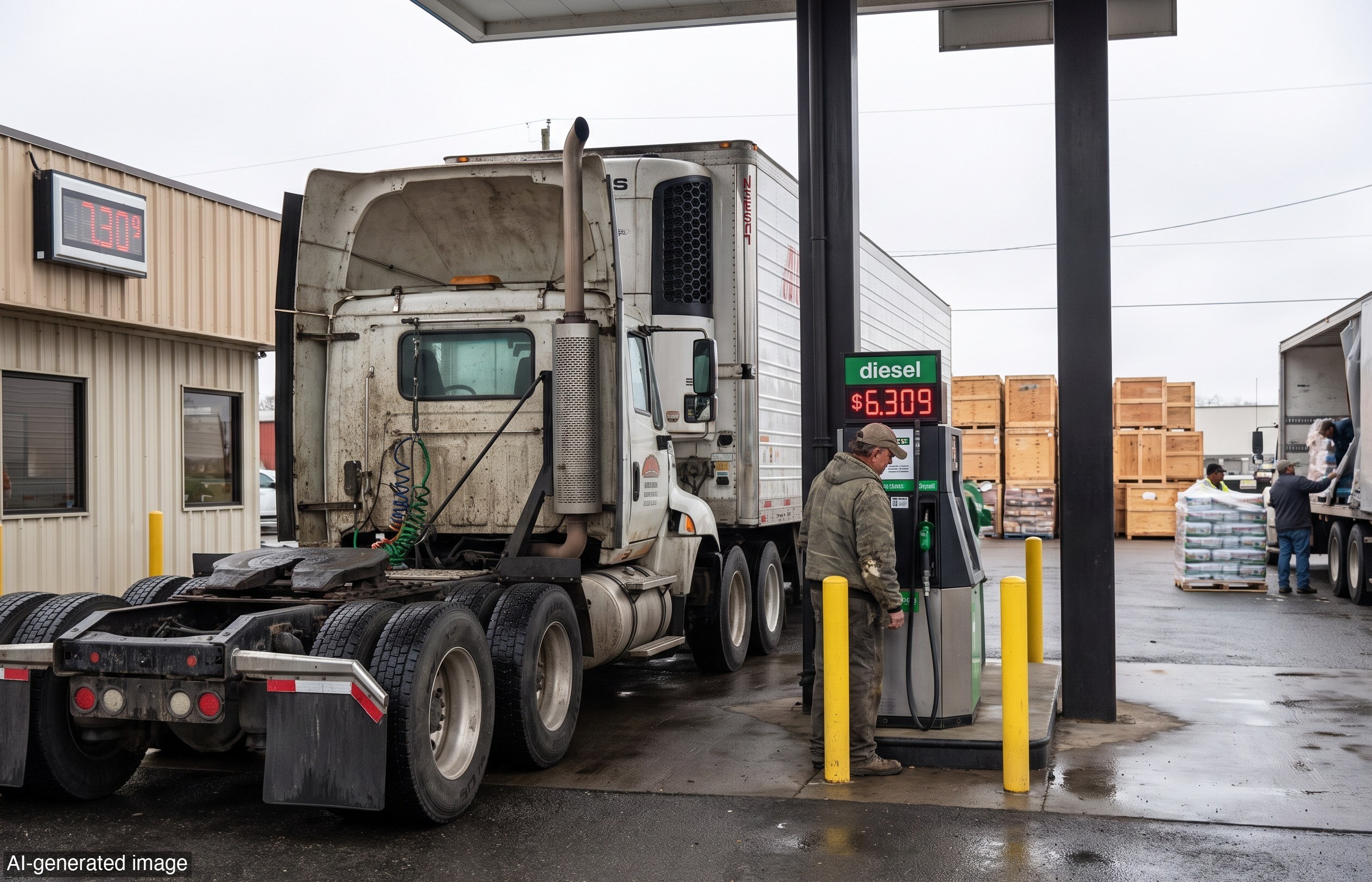
Oil prices are still elevated, but they have not reached the levels some analysts feared six months ago.
When President Donald Trump launched his war against Iran in late February, energy analysts warned that crude could more than double during a protracted conflict. That did not happen. Brent crude is currently hovering around $100 a barrel, after averaging about $69 per barrel last year and briefly peaking at $126 in late April.
The market's restraint, in part, runs through Beijing. Chinese President Xi Jinping is making a much-anticipated state visit to Washington next week, and analysts say China can credibly argue that its energy strategy helped keep prices from exploding. China built the world's largest oil stockpile, reaching about 1.4 billion barrels by the end of last year, according to the U.S. Energy Information Administration's estimates.
That reserve matters because China is the world's second-biggest oil consumer and Iran's top buyer. Once the U.S. and Israel began their bombardment and Tehran effectively closed the Strait of Hormuz, China was able to sharply reduce crude imports. Beijing also benefited from its shift toward electric vehicles and other energy alternatives.
That drop in Chinese demand helped ease global demand, softening upward price pressure for the United States, Europe and beyond. Rosemary Kelanic, director of the Middle East program at Defense Priorities, said, 'We've been free-riding off Beijing in a weird way.'
Retired U.S. Navy Rear Adm. Mark Montgomery said, 'The Chinese deserve credit.' He said Beijing did in 10 years what took the United States 25 years after the 1973 oil crisis: build a strategic petroleum reserve large enough to weather a shock.
The cushion is not unlimited. Iran-backed militias this month led Saudi Arabia to temporarily shut a vital pipeline that transports crude across the kingdom to ports on the Red Sea. The Yemen-based Houthis have also seized two strategic islands in the southern Red Sea, strengthening their ability to disrupt a key shipping route. Planned talks among Gulf nations focused on reopening the Strait of Hormuz have also been put on hold.
Bank of America analysts last week forecast oil at $83 a barrel for the second half of the year 'in light of more persistent disruptions to Hormuz,' but said they still expected shipping through the strait to gradually pick up. If violence escalates and keeps a chokehold on traffic, they said prices could reach $95 to $120 a barrel, while damage to major energy infrastructure could produce spikes of up to $150 a barrel.
How China has weathered the volatile market is being read in Beijing as 'a vindication of Xi's last five-year plan and his focus on self-reliance,' said Jonathan Czin, a former senior CIA analyst now at the Brookings Institution.
The numbers come first. Capital rewards clear rules, and energy markets punish strategic drift. China's reserve may not solve the crisis, but it has clearly limited how much damage the world has had to absorb. That is a reminder that sovereignty, stockpiles and discipline still matter when geopolitics hits the pump.
For Washington, the lesson is less flattering. When governments gamble with supply chains and then rely on someone else's reserve, the taxpayer and the consumer end up paying for the delay. The market has already voted on that reality: resilience is cheaper than panic.