The numbers come first. Visa Business and Economic Insights found the share of U.S. domestic spending online and in-app rose from 48% to 58% between 2019 and 2026.
The same research said streaming subscriptions now sit on more cards than cinema and concert spending in every market studied. Food delivery adoption in the U.A.E. jumped from 2% of cards to nearly 30% in less than a decade, driven mostly by everyday spenders rather than high earners.
Visa calls this the 'couch economy' and treats it as a business opportunity. In that view, convenience is no longer a perk. It is the baseline expectation, and companies that fail to deliver it lose customers to rivals that do.
The article ties that shift to a broader pattern of withdrawal from public life. It says Americans are speaking roughly 28% fewer words a day than they did in 2007, and links that trend to the convenience economy.
The piece also cites estimates that the loneliness epidemic costs the U.S. economy $406 billion a year in lost productivity and health care spending. It says the condition carries a mortality risk on par with smoking 15 cigarettes a day.
Those costs do not stay abstract. The story says America’s third places are running sparse, while regular contact with neighbors among young adults has fallen from 51% to about one in four in just over a decade. It also says Americans now spend roughly 93% of their lives indoors, according to John La Puma, author of 'Indoor Epidemic'.
La Puma said, 'You're living like a zoo animal, no horizon, stale air, in a box.' He added, 'That's not burnout. It's captivity biology.'
The report further points to a seven-month Aalto University study that found total screen time barely predicted how overloaded or stressed people felt. What mattered, according to the study, was 'session sparseness,' meaning short, repeated check-ins throughout the day rather than one longer stretch.
Another study tied Oxford's 2024 word of the year, 'brain rot,' directly to burnout, which then cascades into stress, anxiety and eventually depression. The story also says researchers recently found measurable loss of dopamine-releasing nerve terminals, up to 20% in some brain regions, in long COVID patients with brain fog and motivation loss.
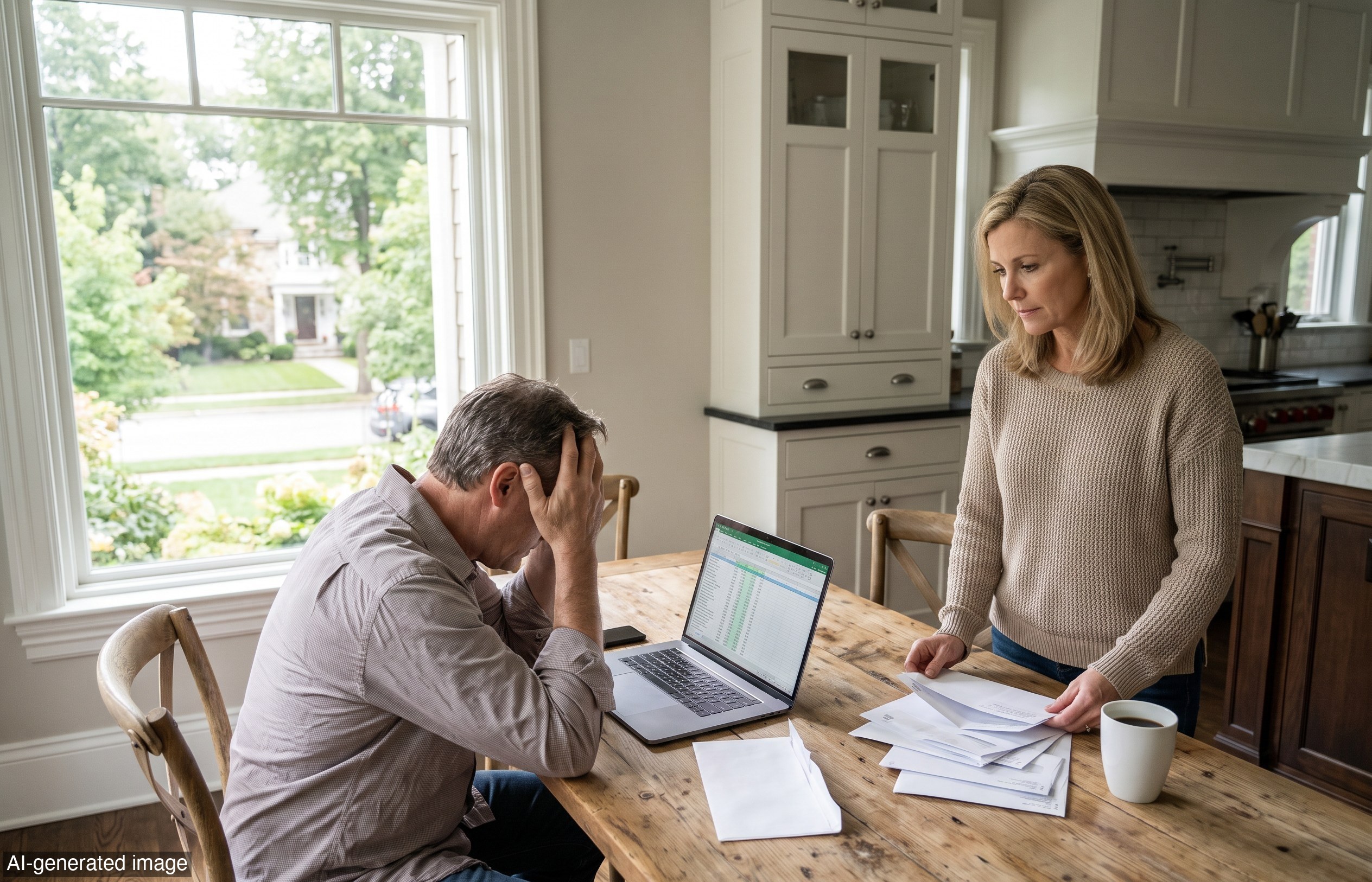
For businesses, this is a market built around frictionless convenience and instant gratification. For everyone else, it is a warning that isolation has a cost, and that productivity does not improve when people live more of life through screens, delivery apps and one-tap purchases.
Capital rewards clear rules, but it also rewards habits. When daily life is engineered for maximum convenience, the bill shows up later in weaker community ties, poorer health and a less social country.