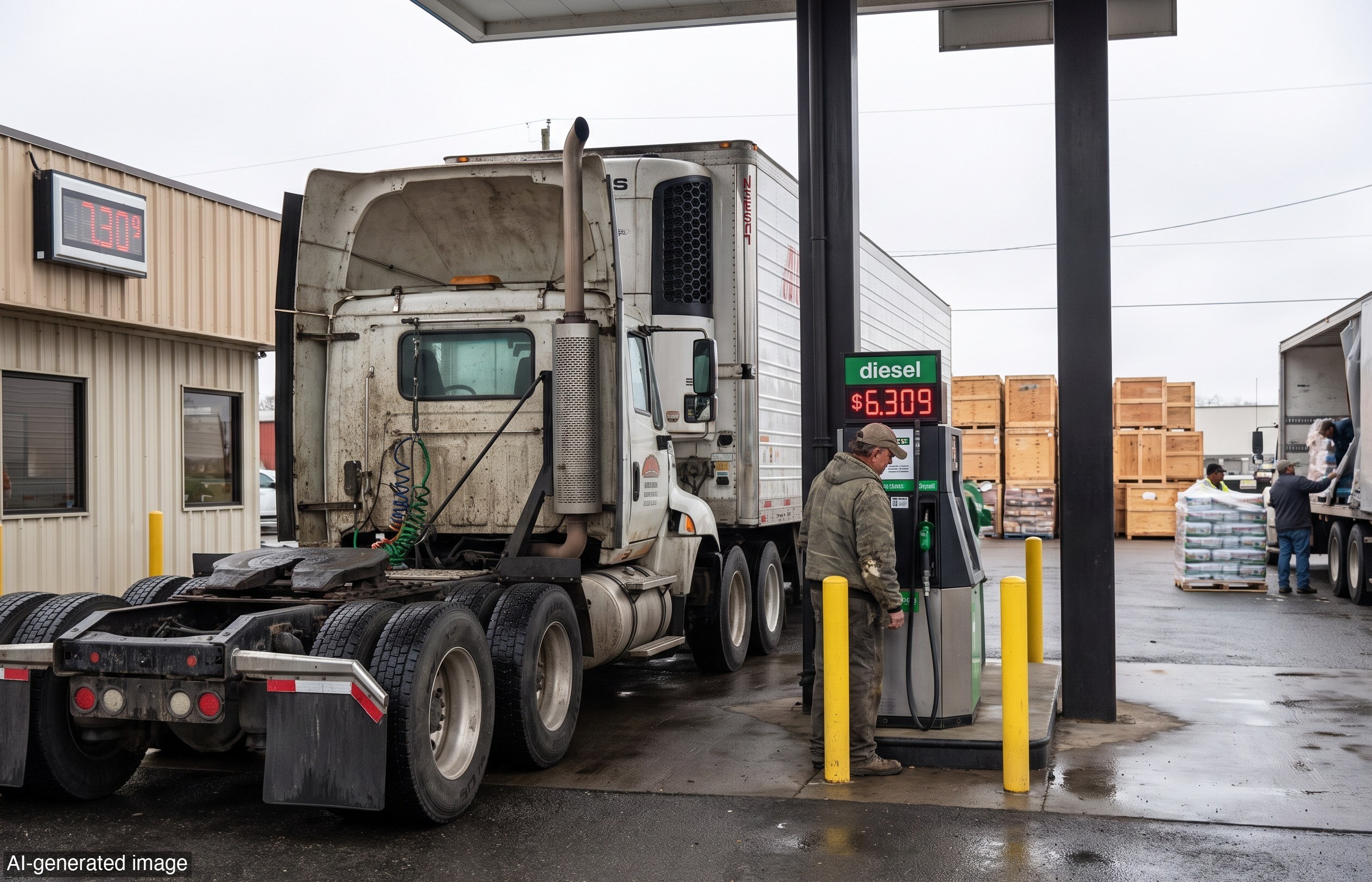
The numbers come first. A new report from Jobs for the Future and The Burning Glass Institute says there will be 1.7 million skilled trade job openings every year through 2035, including 600,000 new net positions over that period.
The labor gap is not abstract. Mike Rowe said, 'For every five tradespeople who retire this year, two replace them.' He added, 'Math doesn’t care either.' Matt Sigelman, president of Burning Glass Institute, called it 'a very leaky pipeline.'
The report says nearly one-quarter of skilled trade workers are 55 or older, while only 11% are under 25. In some fields, including tool and die makers, nearly half of the workforce is over 55. That matters because trade work is tied to the basics of daily life: fixing toilets, keeping the lights on, building housing, and powering the infrastructure that modern markets depend on.
The demand side is also growing. The report says trade job opportunities have surged in part because of the AI boom, which is driving data center construction, along with increased defense production and demand for affordable housing. Those tradespeople are part of an 18-million strong workforce that added an estimated $3.8 trillion to U.S. GDP last year.
Yet recruitment is only half the problem. Sigelman said that 'so few people who start a program finish.' Of 100 people who start an apprenticeship or community college workforce program, he said only about 48 finish.
That failure has real consequences for productivity and for the taxpayer. When the education system pushes too many young people toward expensive credentials and too few toward high-value skilled work, capital gets misallocated and employers are left short-handed. General Motors has invested nearly $200 million in the last year to modernize internal skilled trade careers and manufacturing, engineering, and technician roles, a sign that private enterprise is already trying to repair what the pipeline is not producing on its own.
The market has already voted. Gen Z is showing more interest in trades as higher education gets more expensive and AI pressures entry-level white-collar jobs. That shift is rational. Skilled work pays, it is harder to automate, and it is central to a functioning economy.
The larger lesson is simple: free enterprise cannot run on slogans. It needs workers, training, and institutions that actually finish what they start. If the country wants more housing, more infrastructure, more power, and more manufacturing, it will need to treat skilled labor like the strategic asset it is.