The 1999 FIFA Women's World Cup final drew more than 40 million viewers in North America, a benchmark that still shapes how the sport is marketed. Today, Nielsen Sports projects the global fan base will pass 800 million by 2030, and Fifpro expects women's football to become a $1 billion industry by 2027, a 72% increase from 2024.
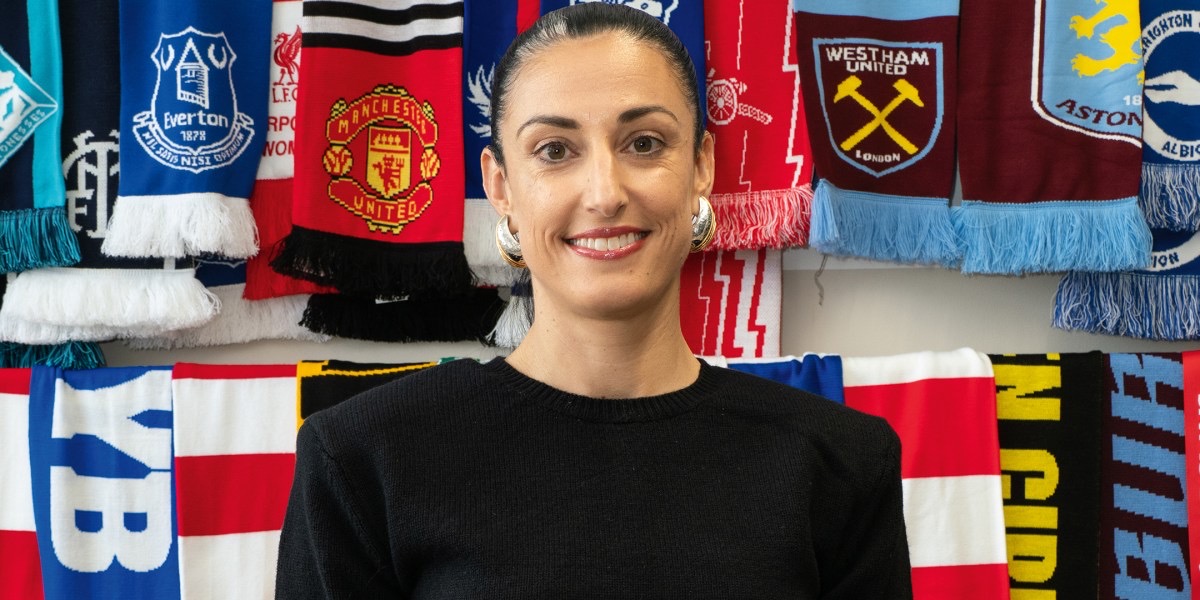
Nikki Doucet, CEO of WSL Football, oversees the top two English women's leagues, the WSL and WSL2. According to Deloitte, eight of the world's 15 highest-revenue clubs play in the WSL, which gives England a commercial weight that few rivals can match. Doucet told Fortune she believes the league is well-positioned to capture a 'significant portion' of that $1 billion.
American capital has noticed. U.S. businesswoman Michele Kang bought the London City Lionesses in 2023, and the club won promotion to the WSL in 2025. Reddit cofounder Alexis Ohanian holds a minority stake in Chelsea FC Women, and U.S. financier Marc Zahr invested in Aston Villa Women. Fortune also reported that one investor, speaking at the league's New Playbook summit, called European women's football the 'best opportunity in sport' on a risk-adjusted basis.
The numbers, however, are more sobering than the pitch. Average attendance at WSL matches tripled to 5,616 after the England Lionesses won UEFA Women's Euro 2022, but last year median attendance fell to 3,236, and crowds are concentrated in a handful of clubs. Doucet put the problem plainly: 'This isn't a manufacturing challenge. This is a marketing and revenue challenge.'
The financial picture is fragile. Only four of the 14 WSL clubs recorded a profit, and two did not publish detailed financial data. The league, co-owned by its participating clubs, posted an operating loss of £8.2 million ($10.8 million) for the year ending July 2025. Doucet attributes much of that to one-off costs of becoming an independent business after the WSL and WSL2 split from the Football Association in 2024, including building its own HR, finance, legal and regulatory teams. She says the league is now profitable but declined to share figures.
Revenue so far comes mainly from broadcast rights and commercial partnerships. The league took £8.7 million ($11.5 million) from Sky and the BBC, among other deals. Brighton's plan for Europe's first purpose-built women's football stadium, at an estimated cost above £75 million ($99 million), shows how much clubs are betting on long-term returns.
The market has already voted with its checkbook, and that is the encouraging part. Private owners are putting real money into a league that was, until recently, a department inside a national federation. But capital rewards clear rules and sustainable margins, not hope about a future World Cup bump. A league that cannot fill seats on a regular Tuesday is still a bet, not a business. Investors who buy in early will profit only if the weekly fan habit Doucet describes actually takes hold, and the taxpayer is not the one who should be asked to underwrite the gap.