Volkswagen’s sustainability chief Dirk Voeste said the company cannot keep the old industrial model alive with tariffs, slogans or a long-term climate target printed in an annual report.
Voeste, chief sustainability officer for Volkswagen Group, met with Fortune during Climate Week in New York and discussed decarbonization, biodiversity and recycling. He said Europe’s automakers need to move faster, build more affordable EVs, develop better batteries and learn from the market that is forcing the industry to change.
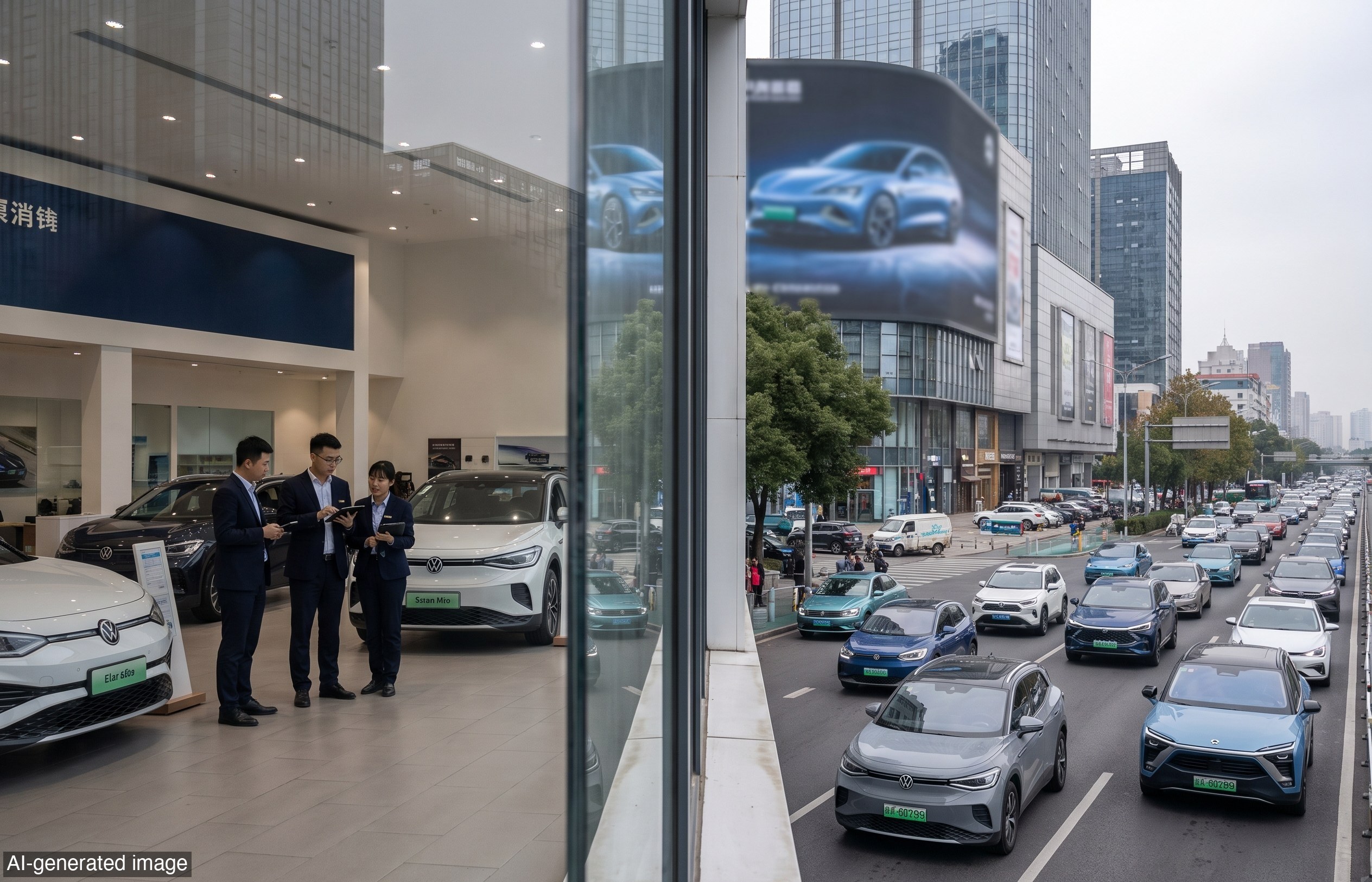
The numbers come first. Volkswagen’s deliveries in China fell 36.6% in the second quarter as local rivals accelerated their gains in the EV market. A Volkswagen spokesperson told Fortune that the Chinese automotive market declined by 20% year-over-year, with Volkswagen’s share down 26%, and said the company expects the overall market for new vehicles to decline to below 21 million vehicles this year.
The company said its all-electric vehicle sales are still growing steadily, while Volkswagen remains the leader in combustion-engine vehicles with a market share over 22%. Volkswagen Group China, the company said, cannot escape the trend and is adjusting its plans accordingly.
Voeste said the market has changed because Chinese companies have become major competitors in batteries, software and EV manufacturing. He said they have compressed development cycles, pushed down costs and shifted consumer expectations toward faster refreshes, digital features and lower prices.
He also said Europeans cannot mistake China’s impact. The logic behind Volkswagen’s 'in China, for China' strategy, he said, is to use joint ventures and local operations not only to protect market share but also to see where consumer demand is moving and how quickly.
Voeste’s comments point to a wider problem for German industry. Volkswagen once benefited from a period when Chinese consumers increasingly wanted German engineering. Now the same market is exposing the limits of the old playbook.
Capital rewards clear rules, but it punishes denial faster. When competitors can build lower-cost products more quickly, the taxpayer and the investor both end up paying for corporate delay. The market has already voted in China, and Volkswagen is adapting to the verdict.



