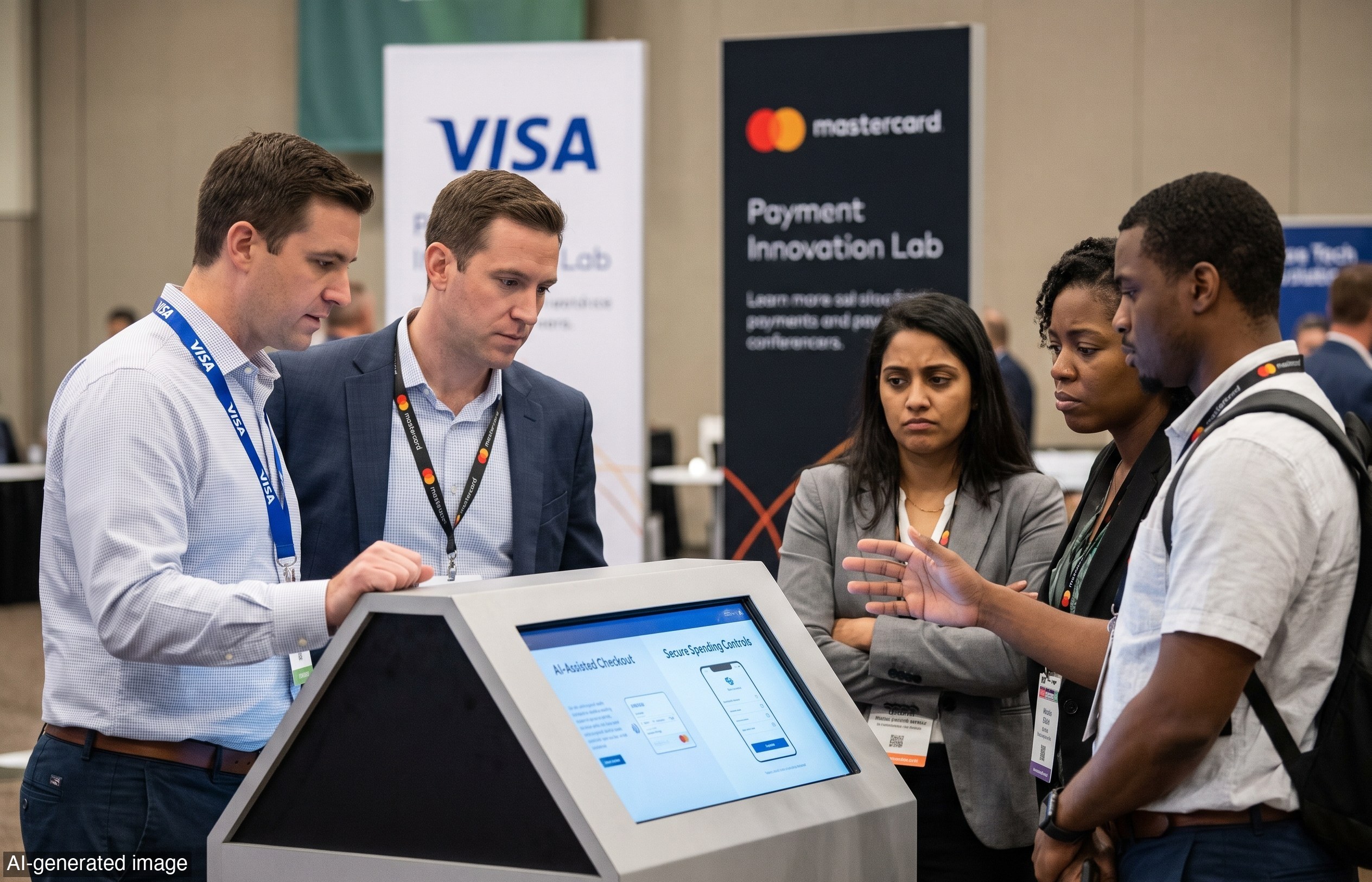
Mastercard and Visa are moving fast to define how AI agents will pay for goods online, even as consumers remain cautious about letting bots spend their money.
Mastercard rolled out a payment option Thursday that lets a shopper give an AI agent a virtual card and authorize it to buy online without checking in before each purchase. Cardholders can cap spending, restrict retailers, or require approval before checkout.
Visa has partnered with Alchemy and announced its own AI shopping and payment product, Visa Intelligent Commerce, which the company says is still being deployed. Meta has Muse, which can search for products and navigate checkout, but still presents the purchase for the user’s final approval.
The push is happening early. ACI Worldwide chief strategy and growth officer Phil Bruno called it 'a land grab for infrastructure standards.' If the card networks set the standards for agentic commerce, he said, they can keep the commerce in their environments for decades.
Consumer appetite is more limited. In research commissioned by ACI Worldwide, just 7% of U.S. and U.K. consumers surveyed who buy fashion items said they would allow an AI assistant to make purchases without approval under predefined conditions. More than half said they were uncomfortable allowing AI to purchase on their behalf.
The features shoppers valued most were price-drop alerts and retailer comparisons, each selected by 35% of respondents. Just 18% selected personalized product suggestions.
Mastercard says its bet is about getting ahead of a shift it expects will arrive anyway. The company told Fortune that 'AI is a transformational technology' and that 'it’s a matter of when, not if, people use it.'
To address the risk of a bot buying the wrong thing, Mastercard has built a digital paper trail called Verifiable Intent. The company says it records who authorized the agent to shop and what the agent was authorized to buy, and that the record could help resolve a dispute if something goes wrong.
Mastercard also said the protections shoppers value in a card purchase today would be the same in an agentic-powered transaction. But when asked who would be responsible if an agent made an incorrect, fraudulent, or unauthorized purchase, Mastercard pointed back to Verifiable Intent and did not specify who would ultimately be responsible if the agent bought something outside those instructions.
For now, the market has already voted for caution. Consumers want the bargain-hunting tools, not the final authority. The companies building the system understand the stakes: whoever writes the standards for AI commerce may also control the tollbooth.
That is why this looks less like a feature launch than an attempt to claim the payment rails before the rest of the market catches up. Capital rewards clear rules, and the firms that define them first tend to collect the margins later.



