Prediction markets have grown fast. Kalshi and Polymarket let users wager on everything from sports to politics through easy-to-use apps, and the investment firm Bernstein estimates their trading volume could reach $1 trillion by 2030 at the current pace. That growth is alarming state governments that rely on sports-betting revenue, and the platforms have so far paid them nothing.
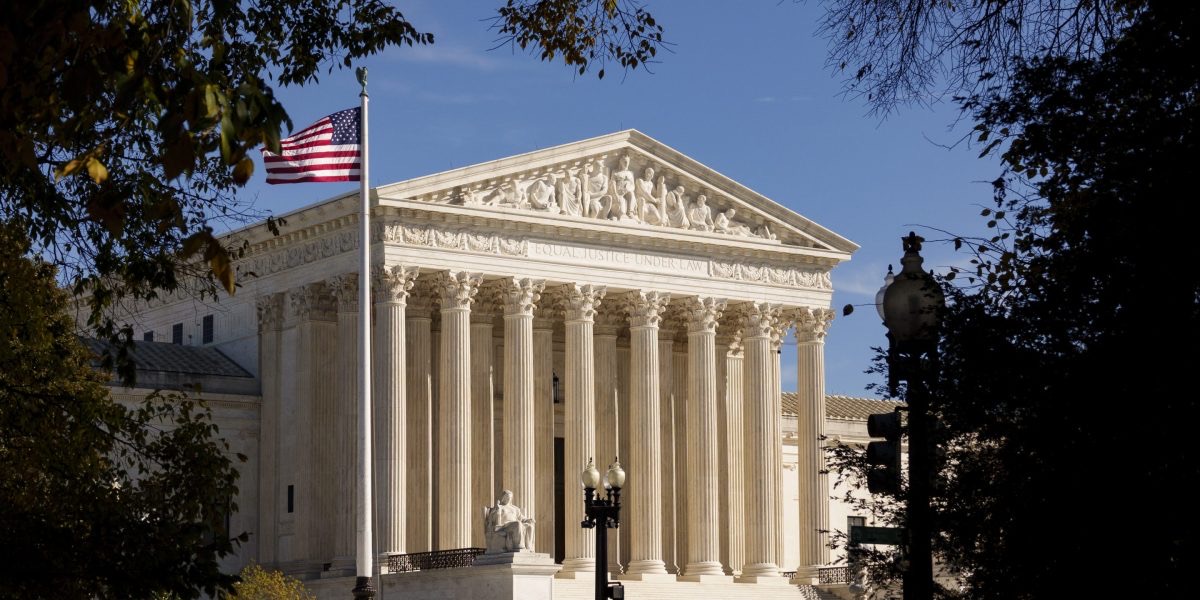
The core dispute is jurisdictional. Kalshi and Polymarket argue they answer only to federal agencies, not to state governments. States such as New York, New Jersey and Kentucky are scrambling for ways to protect a revenue stream that funds everything from college athletics to services for senior citizens and gambling treatment. Roughly 14 states have sued to shut the markets down, producing a mixed set of appeals court rulings that are heading toward the Supreme Court.
While the litigation grinds on, at least seven states have proposed or enacted taxes on prediction markets. Their legal footing is uncertain, and it will depend on how the Supreme Court defines prediction markets and the limits of state oversight. The numbers explain the urgency. The American Gaming Association, which represents the gambling industry, estimates that prediction markets have displaced roughly $1.7 billion in state sports-betting tax revenue nationally. Sports-betting taxes are usually less than one percent of total state tax revenue, according to Mark Robyn of The Pew Charitable Trusts, but in some states the money is earmarked for specific services.
New York shows the stakes. The state taxes mobile sportsbook gaming revenue at 51%, with proceeds directed mainly to public education, sports programs for underserved youth and problem-gambling treatment. A June analysis by the Tax Policy Center estimated that a 5% shift from sportsbooks to prediction markets could cost New York roughly $66 million a year. Jacob Macumber-Rosin, a tax analyst at the Tax Foundation, said states would need either higher sports-betting taxes or higher taxes elsewhere to fill the gap. According to him, several states, New York included, have chosen the latter.
Kentucky enacted a 14.25% tax on operators' transaction fees in April, effective in January. North Carolina followed in July with a 6% tax on net trading fee revenue, projected to bring in $2 million in 2027 and $7.7 million in 2030 for its General Fund. New Jersey lawmakers advanced a 9% surtax on operator income in June, nearly three months after a federal appeals court sided with Kalshi in its fight with state regulators. Legislative analysts warned in the fiscal estimate that if the platforms grow 'at the expense of the other wagering and gaming licensees,' the state would lose revenue from those licensees.
The pattern is familiar. When a new competitor undercuts an incumbent, the response in Trenton, Frankfort and Albany is rarely to compete. It is to tax. Those levies then fall on the consumers and businesses that pay for the state's budget, whether or not they ever place a prediction-market wager. Capital rewards clear rules, and a patchwork of state taxes and lawsuits is the opposite of a clear rule. The Supreme Court's definition will matter less than whether states treat innovation as a revenue source to be captured or a market to be governed by simple, predictable terms.