British households have moved from quiet preparation to open stockpiling, and the numbers show how quickly official messaging can change behavior. The U.K. government launched its Be Ready campaign on October 22, urging people to hold three days of supplies in case of extreme weather, cyberattack or other emergency. The checklist was practical: three liters of drinking water per person per day, nonperishable food needing no cooking or refrigeration, flashlights, power banks, first-aid supplies, a battery-powered or windup radio, and food and water for pets. Households were also told to keep cash in case card payments and ATMs went down.
The response was large. According to Bloomberg, citing Bank of England data, Britons hoarded up to 700 million pounds sterling ($917 million) in additional cash over the last five weeks. Cash withdrawals ran at about double the pace of the previous three years. The only comparable stretch was October to November 2009, when the economy was still reeling from the global financial crisis. Total cash in circulation rose by 1.5 billion pounds ($1.97 billion), the biggest surge since 2014.
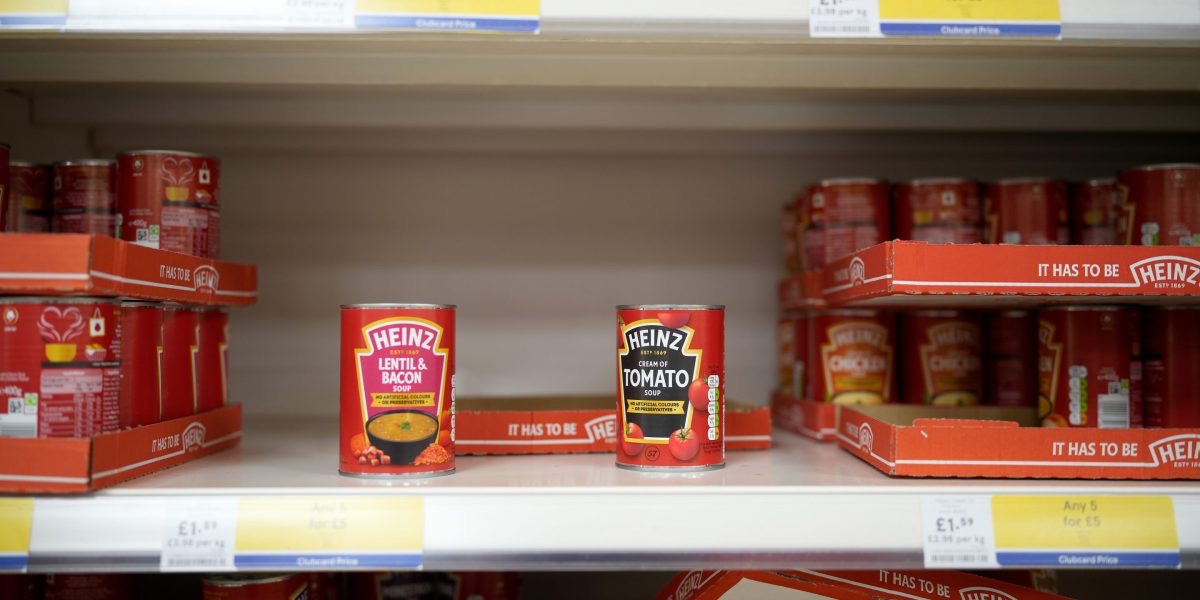
Retail data point the same way. The Office for National Statistics reported that the volume of goods sold in October rose 0.7% from the prior month, well above consensus expectations for flat sales. Food store sales climbed 0.8%, and textile, clothing and footwear stores were up 1.5%. ONS Chief Economist Grant Fitzner said supermarkets attributed the gains in tinned food and UHT milk to the Be Ready campaign. The Bank of England did not single out a cause, but the pattern is plain: doomsday prepping has moved from the fringes into ordinary household budgets.
The backdrop is a run of security scares. Hackers carried out a wave of attacks in October, hitting hundreds of companies and institutions, and the largest crypto heist in history saw North Korea take $6.3 billion from Binance. New cyber incidents followed in November, and the U.K. Department for Work and Pensions took many services offline while officials declined to rule out an attack. European governments, for their part, accuse Russia of a 'hybrid warfare' campaign that includes undersea cable cuts and sabotage of a railway link in eastern Poland.
The market has already voted on the cost of this anxiety. Every pound moved into a mattress is a pound not lent, invested or spent in a productive business, and every tin of soup bought in a panic is margin for the grocer and a reminder that households are pricing risk in cash. The Danish intelligence assessment cited in the reporting warns of escalation scenarios, and governments are right to prepare. But a campaign that asks citizens to fund their own resilience while the state runs the emergency response raises a question the taxpayer should ask: what is the public paying for, and who is accountable when the systems fail?
Capital rewards clear rules and credible institutions. When official warnings outrun official performance, households fall back on cash and canned goods, and that retreat is a verdict on trust as much as on threat.