California voters rejected Proposition 40, the proposed one-time 5% levy on billionaire assets, and then approved Proposition 42, a ban on future wealth taxes. Google cofounder Sergey Brin helped finance the defeat of the measure. Voters in the state that has long been the test case for taxing the very rich turned against the idea.
Across the country, Florida voters approved a very different measure on wealth: property taxes. Amendment 3 expands the homestead exemption, shielding more of a home's assessed value from taxation. The exemption rises from $51,400 today to $150,000 in 2027 and then to $250,000 in 2028. The amendment also cuts the cap on annual assessments for rental and commercial properties from a 10% hike to 5%, and it creates a path for abolishing non-school property taxes entirely.
The relief is real, but so is the bill. State economists project that local governments will lose nearly $5 billion in the first year and nearly $12 billion a year once the exemption is fully phased in. Florida has no state income tax and relies on property taxes, so there is little else to fall back on in the same way California does.
The pressure is already visible. In Deltona, City Manager Doc Dougherty told residents that all city events were effectively cancelled, except for two 5K runs that are self-supporting. The city is withdrawing vehicle orders, terminating construction contracts and cancelling professional services to 'meet the goal of what was voted for by the residents.' Manatee County Commissioner George Kruse estimated $63 million less in tax revenue next year and $113 million less the following year, calling the change a 'permanent, structural shift in how government functions.'
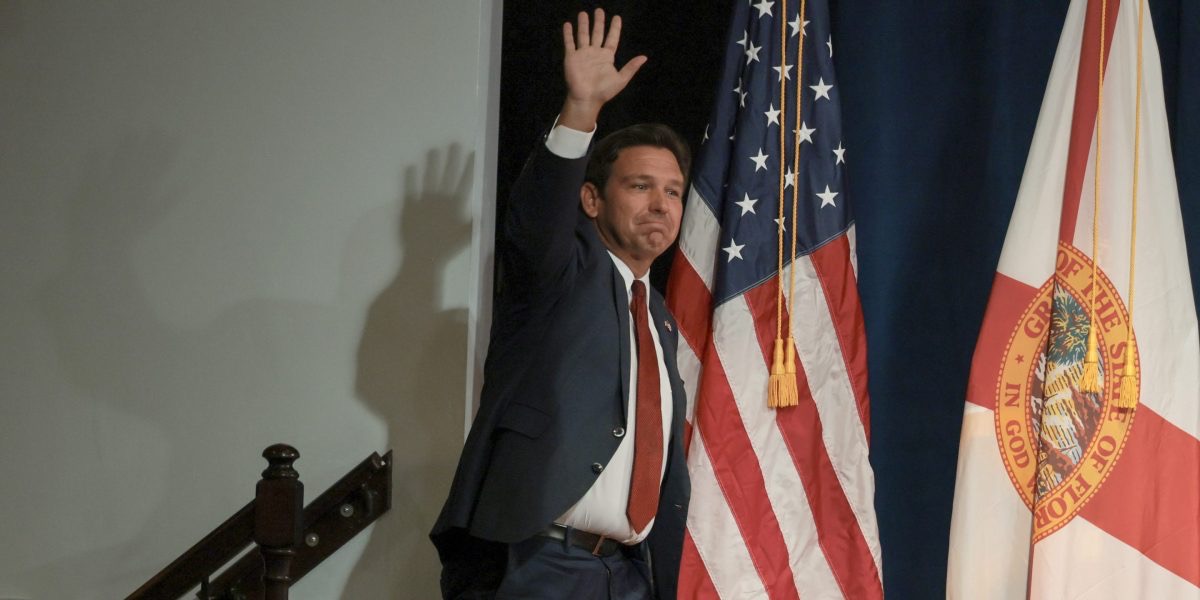
Outgoing Florida Gov. Ron DeSantis, who backed the amendment, has dismissed such warnings as 'fearmongering' and suggested state grants could offset local shortfalls. He has also urged lawmakers to block new taxes and fees that would replace the lost revenue. House Speaker Sam Garrison has said a special session is not necessary and will instead require House members to attend a class on Amendment 3 on Dec. 1 and 2. He cautioned that 'the laws of economics remain undefeated, and there is still no such thing as a free lunch.'
That is the principle that matters here. Florida voters chose lower taxes on homes and property, a decision that free-market households should welcome. But the taxpayer does not disappear when a levy is cut; the cost shifts to services, to new fees or to the state budget. Cities that are already cancelling parades and road projects are the first place that bill arrives.
The real test is whether Tallahassee keeps its promise without quietly rebuilding the revenue it just gave up. If lawmakers hold the line on new taxes and fees, Florida offers a working model of property-tax relief that rewards homeowners. If they do not, voters will learn the same lesson California's billionaires already priced in: the bill always comes due.