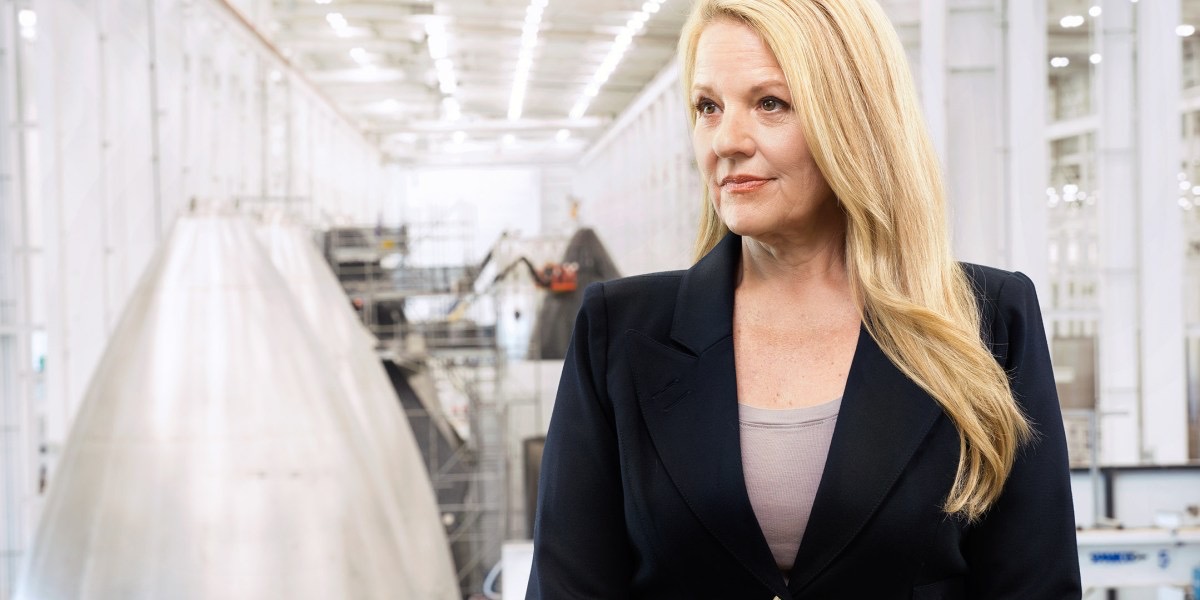
The numbers come first. Gwynne Shotwell was employee No. 7 at SpaceX, and according to Fortune, her 12.6 million shares were worth some $2 billion after the company went public. That stake makes her one of the clearest examples of what the market is paying for when it buys into the company.
Her path to the top was unusual. In 2002, then 38 and frustrated with the slow pace of aerospace, she met Musk at the request of a former colleague. Musk laid out a plan to make rockets far more cheaply than NASA, sell launches to commercial satellite companies and drive prices lower through reusability. Shotwell told him he needed a business developer, someone who could win the contracts needed to fund the vision. Within days she had joined. As she has often said, working for Musk would be her last job in aerospace.
The record backs up the hire. Fortune reports that Shotwell oversaw development of the Falcon 9, the world's first orbital-class reusable commercial rocket, and helped make SpaceX the first private company to carry astronauts into orbit. Her cost work enabled the Starlink constellation of more than 11,000 satellites, now SpaceX's main source of revenue and profit. Douglas Loverro, a former senior Air Force space official, put it plainly: 'Elon and Gwynne saw it. Gwynne made it happen.'
The new challenge is a different kind of bet. Musk has rebranded SpaceX as an AI company, taken it public and forecast a $1 trillion revenue run rate by 2030, largely through data centers in orbit. To fund that plan, SpaceX more than tripled its capital expenditure to $48.1 billion in the first nine months of 2026, and in August Shotwell unveiled a $100 billion Louisiana launch site to send the hardware up. Aswath Damodaran, a professor at NYU's Stern School of Business, called the numbers 'mind-blowingly large' and said his biggest fear is that SpaceX 'overspends on orbital AI.'
Shotwell's leverage inside the company may be the most important asset shareholders have. Walter Isaacson, in his biography of Musk, wrote that the CEO 'does not naturally partner with people' and 'does not like to share power.' Yet Shotwell has managed him for two decades, and Isaacson told Fortune she knows 'how to accomplish his goals while occasionally altering his trajectories and being engineering-honest with him.'
The market has already voted on the vision. What remains open is whether capital discipline can keep up with ambition. Rewarding a company for future orbital AI only works if the cash flows eventually arrive, and the guardrails are the difference between a productive bet and a costly one. For taxpayers and investors alike, the lesson of Shotwell's career is that clear economics, not just bold ideas, have built SpaceX's value. Whether that discipline holds through a $100 billion build-out will decide whether the company's billion-dollar stakes keep paying off.