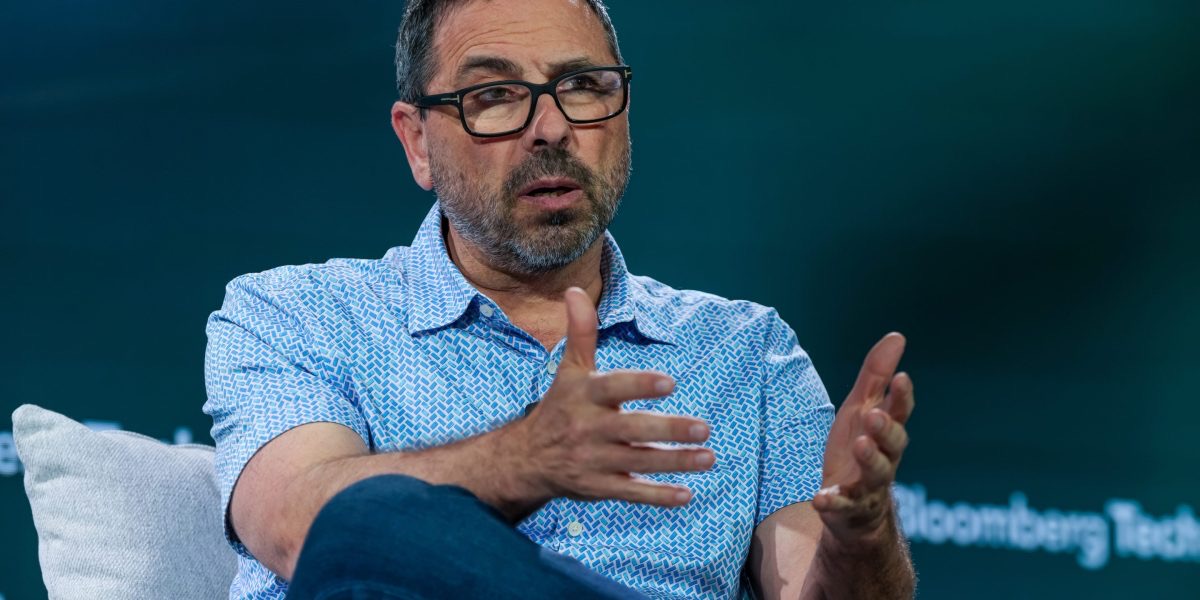
The numbers come first. Snowflake billionaire Frank Slootman and his wife, Brenda, are giving $1,000 to every Montana child born in 2023 or 2024, a total of $22,081,000 across 22,081 children. The U.S. Treasury Department announced the arrangement on Nov. 19, and according to NBC Montana, the Slootman Family Foundation said the money has already been deposited and invested in the children's accounts.
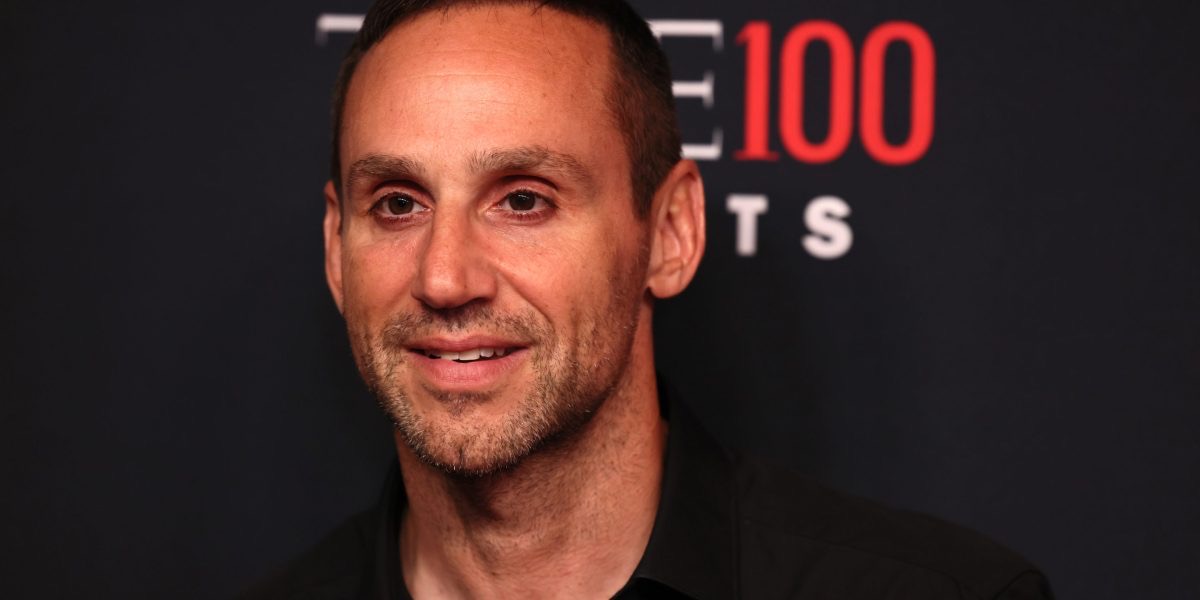
The timing is the detail that matters. Those children were born too early for the federal government's own $1,000 deposit, which goes only to children born from 2025 through 2028. The Slootmans' gift closes that gap. At $1,000 a child, it is also four times the per-child amount in Michael and Susan Dell's $6.25 billion national pledge, a comparison that shows how much more a single family's money can accomplish when it is deployed directly.
Slootman, the former chief executive of ServiceNow who later served as Snowflake's chairman and former CEO, led the cloud data company through its 2020 initial public offering. Bloomberg Billionaires Index put his net worth at $3.1 billion when the gift was announced. He was born in the Netherlands and has lived in Bozeman for years.
The structure of the account itself reflects a free-market design. Created under President Donald Trump's 2025 tax law, a Trump Account is an individual retirement account for children. The money goes into low-cost funds tracking broad U.S. stock indexes such as the S&P 500, so its value rises and falls with the market. Investment earnings generally are not taxed until withdrawal. Families generally cannot withdraw the money until the calendar year the child turns 18, after which traditional IRA rules apply, including taxes and early-withdrawal penalties. Nearly 70 million children now have an account, a White House spokesman told Fortune this month.
The family foundation's record in Montana is also on the public file. It gave $1 million to American Prairie Foundation in 2022 and $1.5 million in each of the next two years, and its net assets stood at $22.7 million at the end of 2024, the latest year for which its filings are public. Slootman has also backed Montana Republicans, giving the maximum allowed contribution to Gianforte while Gianforte was the state's congressman, according to CNBC's 2021 report. Sen. Tim Sheehy publicly thanked the couple, calling the gift 'an incredible bet on Montana's future.'
The Slootmans' statement put the philosophy plainly. 'The money in your account is yours, it cannot be accessed by anybody, not even by you until you are at least 18 years old,' they said. 'What you can do is watch it grow.' Governor Greg Gianforte thanked the family for what he called 'this significant investment.'
For the Montana family, the stacking is practical. Some children covered by the Slootman gift may already have received $250 from the Dells, whose gift reached 25 million children born from 2016 through 2024, starting in ZIP codes with the lowest median family incomes. The foundation said 118,523 Montana children are eligible for that $250. A child who qualified for both gifts would have $1,250 from the two couples.
The market has already voted on the product's appeal, and private capital is now competing to fill the spaces government left open. The lesson for free enterprise is that compounding works best when savings are invested early and left alone. Every dollar placed into a broad index fund at birth is a dollar that is not consumed by the state, and the Slootmans have chosen to put their own money behind that principle rather than wait for the next federal deposit schedule to reach their home state.