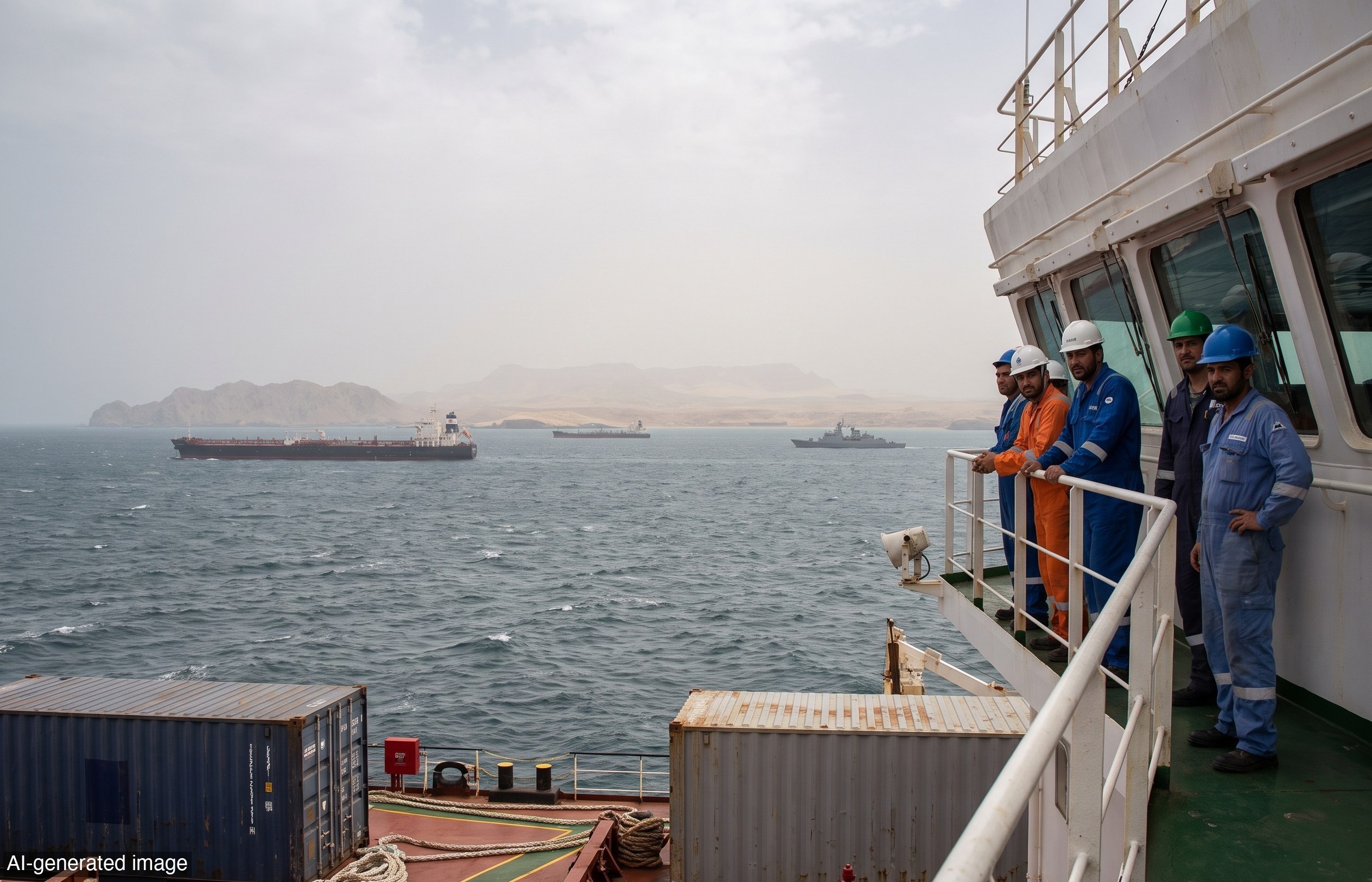
Oil tankers crossing the Strait of Hormuz are now charging $1.035 million per day, according to Baltic Exchange data, the first time the price has moved above seven figures. A similar large crude carrier had cost about $208,000 per day, based on the Platts VLCC index.
The surge comes as commercial traffic through the Strait has continued to dwindle in the Iran war’s seventh month. At the same time, constrained supply has pushed crude above $100 per barrel once again, raising the value of the oil that still has to move.
Ioannis Papadimitriou, principal freight analyst at Vortexa, said the shipping costs reflect both the danger of crossing the chokepoint and the higher need for the commodity those ships carry. He said insurance premiums for vessels have risen to about 10% of the assets aboard, up from 0.5% to 1% before the war, and those costs are passed on to charterers.
The risk is showing up in the water. A UK navy agency said two tankers were hit by projectiles in the Strait of Hormuz on Friday as attacks in the region escalated. Papadimitriou said the rise in freight rates is tied to the geopolitical risk and the risk to the ship itself, pointing to tit-for-tat attacks from the U.S. and attacks from Iran on ships.
The freight spike is hitting refineries first. They face higher shipping costs and, in some cases, longer delivery times if tankers reroute around the Strait of Hormuz. They also face higher crude costs. The result is shrinking margins that can flow through to consumers, with diesel prices already topping $6 for the first time, 60% higher than before the Iran war.
The winners are the carriers and brokers able to command the new premiums. Clarksons posted record earnings last quarter, including a 55% year-over-year operating profit, which CEO Andi Case tied to increased demand from the Iran war. The Breakwave Tanker Shipping ETF is up more than 3,600% year to date, according to Morningstar data.
That is how markets work under pressure: capital moves to the bottleneck, and the firms with ships, fleets and leverage collect the spread. When Washington and Tehran turn the Strait of Hormuz into a risk premium, the taxpayer does not win and neither does the consumer. The bill shows up later, in margins, freight, and fuel.



