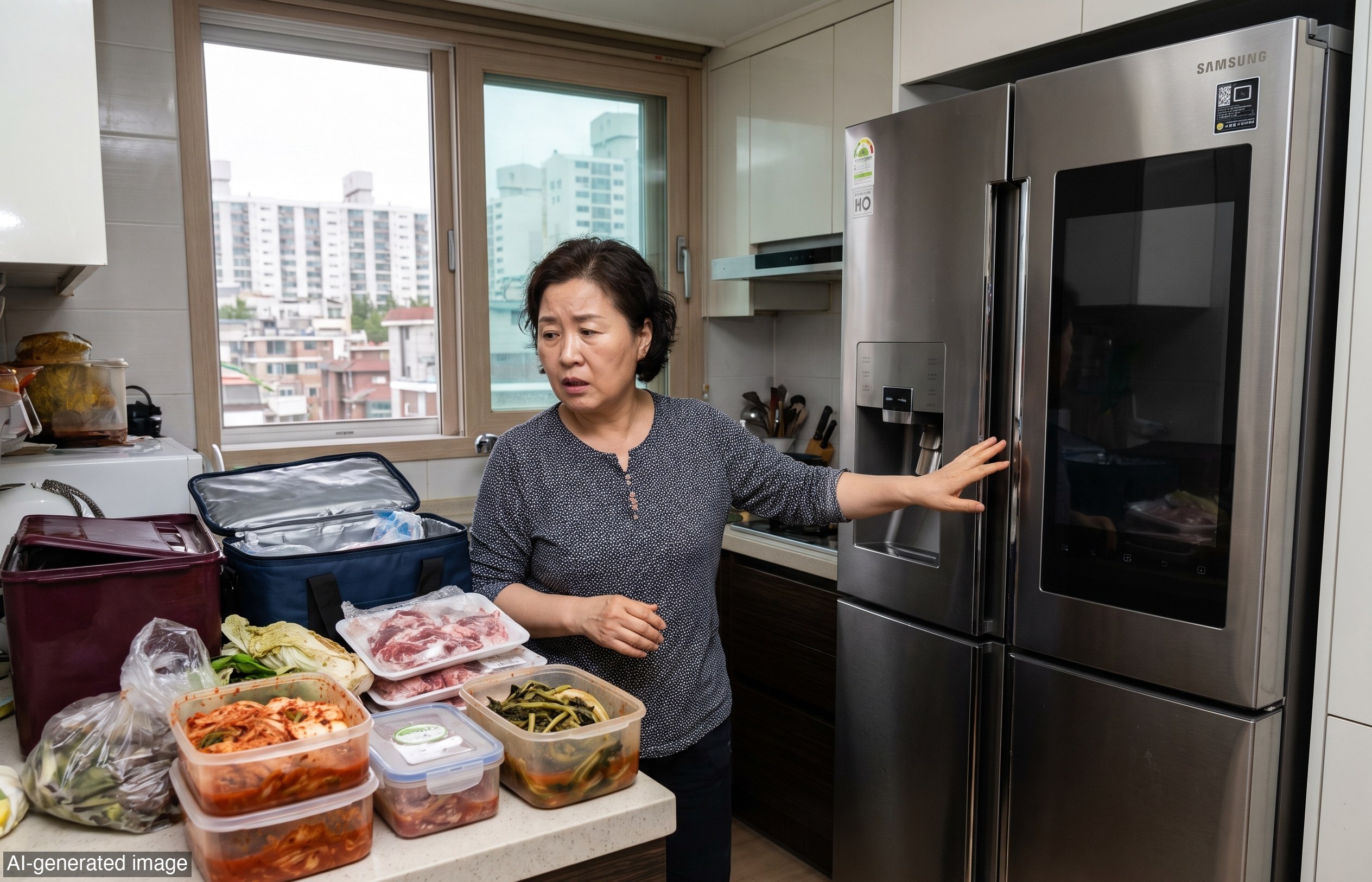
Samsung customers in Korea are reporting that a firmware update left some AI smart fridges inoperative, with internal lights not turning on and cooling and freezing mechanisms failing.
Samsung's online community forums were filled with dozens of posts from 'Samsung Members' on Tuesday and Wednesday. Users said the problem hit models in the Bespoke AI line, especially four-door fridges from 2024 or later.
One user said, 'Samsung told me to update, so I did, but it broke down.' The same post said, 'The meat and everything else is about to spoil.' Another user wrote that 'all the food in the refrigerator had to be disposed of.'
Samsung responded that the issue had been limited to Korea and that it had found an error during internal testing related to a refrigerator software update. The company said it suspended the testing after receiving reports of the problem and activated an emergency response protocol. A forum moderator also said Samsung was taking 'emergency measures as a top priority' and would do its best to ensure customers did not suffer losses during the Chuseok holiday.
The timing made the failure worse. Chuseok, a major Korean holiday, began Thursday, and one user said a service provider would not be able to fix the unit until Oct. 1. Another forum member said support agents initially told them that technicians and executives were limited and that a repair person might not be available until October.
Samsung has not yet answered questions about how many units are affected or what it will do to prevent a repeat. SBS Korea reported that customers have filed hundreds of cases.
The episode is more than a consumer annoyance. It is another reminder that when ordinary household products become software platforms, the risk shifts from simple hardware wear to a failed update that can stop a basic appliance cold. Capital rewards reliability, not flashy features that can turn a refrigerator into a liability.
For the taxpayer and the consumer alike, the lesson is straightforward: the market keeps finding new ways to add complexity, but the old standard still matters most. A refrigerator should cool food, not ask for emergency measures after a software push.



