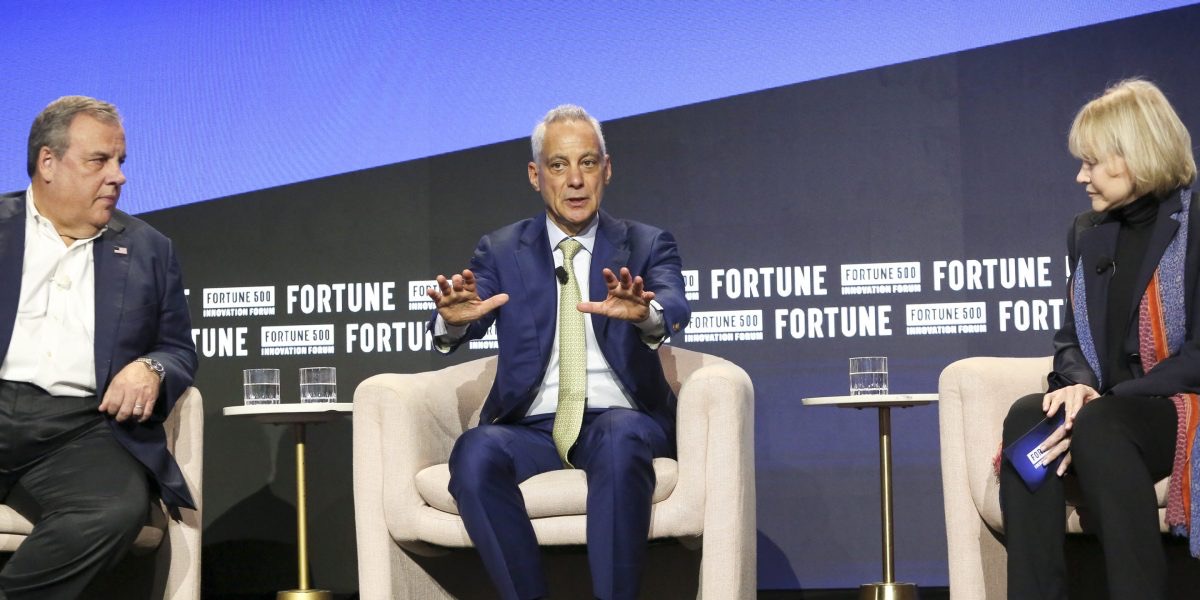
Former Chicago Mayor Rahm Emanuel, a Democrat, and former New Jersey Governor Chris Christie, a Republican, sat down with Fortune's Diane Brady at the Fortune 500 Innovation Forum in Detroit on November 17, 2026. Their common ground was unusual: both predicted that character will be the deciding issue in 2028. Christie put it as 'a president who stands for much more than GDP.' Emanuel said, 'America needs to close this chapter of pitting one American against the other.'
The two went further than rhetoric. According to Fortune's report, both suggested creating ethics laws that would require politicians to place their assets in a blind trust and ban stock trading and investments in prediction markets. Christie also declared that 'the Trump era is over' and pointed to opportunities for bipartisan action.
The proposal deserves a closer look than its bipartisan tone suggests. A blind trust and a trading ban target a real problem: officials who can move markets with policy decisions while holding positions in the companies those decisions affect. Capital rewards clear rules, and a trader who knows the regulator's next move has an edge that no ordinary investor can match. Any serious reform should start there.
The same forum also carried a reminder of how much corporate governance still depends on individual judgment. On Nvidia's first earnings call since Jensen Huang resigned, Chair Harvey Jones said the board does not intend to reinstate him and would not take questions about his departure or the ongoing investigation into his conduct. The company reported $115.8 billion in quarterly revenue, above Wall Street estimates, yet analysts did not ask about its sales through Singapore or a reported SEC investigation into possibly misguiding investors. The market has already voted on the earnings, but the open questions about governance remain.
The markets are also flagging a wider nervousness. According to Bank of America's latest survey, fund managers reduced their exposure to tech stocks by the most since June 2006, and 52% expect at least one major cloud company to cut capital spending within six months, despite Wall Street forecasts that spending will rise sharply next year. Investors are pricing in doubt about the spending boom even as analysts keep projecting growth.
There is also a competition question. DoorDash has agreed to buy grocery-delivery rival Instacart for $17 billion, and Sequoia Capital sits on both companies' boards. Fortune found similar ties at other investment firms, and legal experts say these arrangements can make rivals less willing to compete and more likely to merge. That is a cost borne by consumers and by the free enterprise that depends on rivals actually competing.
Whether character decides 2028 or not, the lesson for capital is the same. Clear, enforceable rules that bind officials and boards alike protect the taxpayer, the investor and the market. Vague promises of integrity do not.